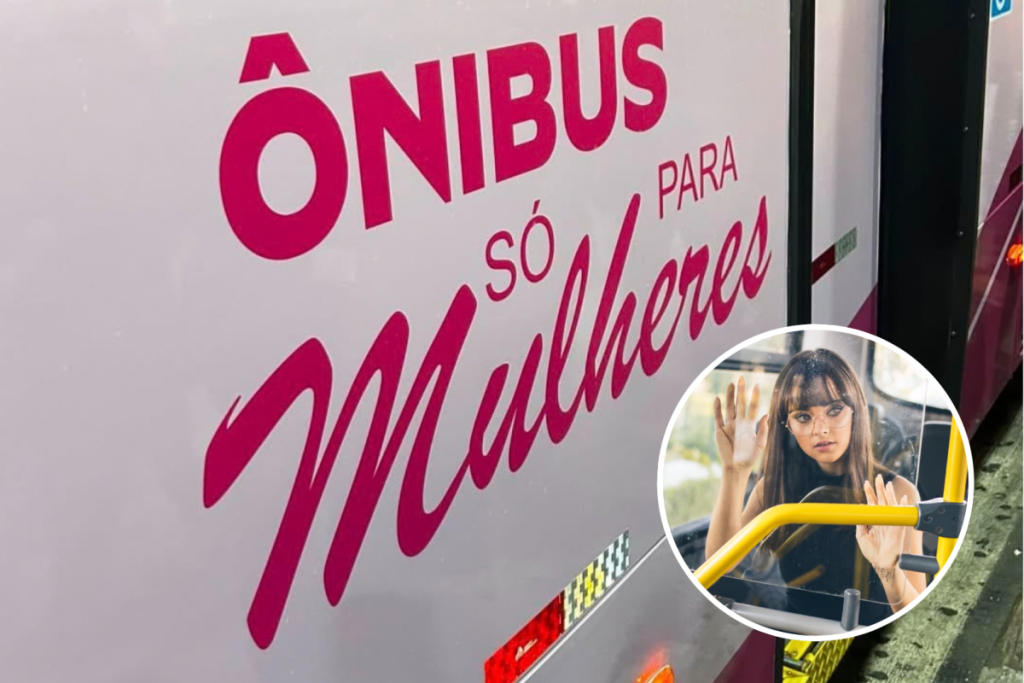

Since May, Carapicuíba has been a pioneer in the Metropolitan Region by adopting an initiative that promises to offer a safe and welcoming space for women who use public transportation. The Pink Bus is a service exclusively for women that is now part of Del Rey Transportes’ regular operations.
The vehicle follows the route of municipal line 15/16, which connects the Carapicuíba Downtown Terminal to Vila Dirce/Santa Brígida. The goal is to offer female passengers an alternative during peak hours, following recurring reports of safety concerns on public transportation.
The idea is to help prevent potential discomfort in cases of overcrowding or harassment, thereby enhancing safety and creating a welcoming environment for both female passengers and the vehicle’s driver.
However, the fact that only one route operates during specific hours makes the initiative a localized effort, rather than a solution that covers and protects everyone.
However, there is still no public confirmation of plans to expand the project to other municipal bus routes.
How does the Pink Bus work?
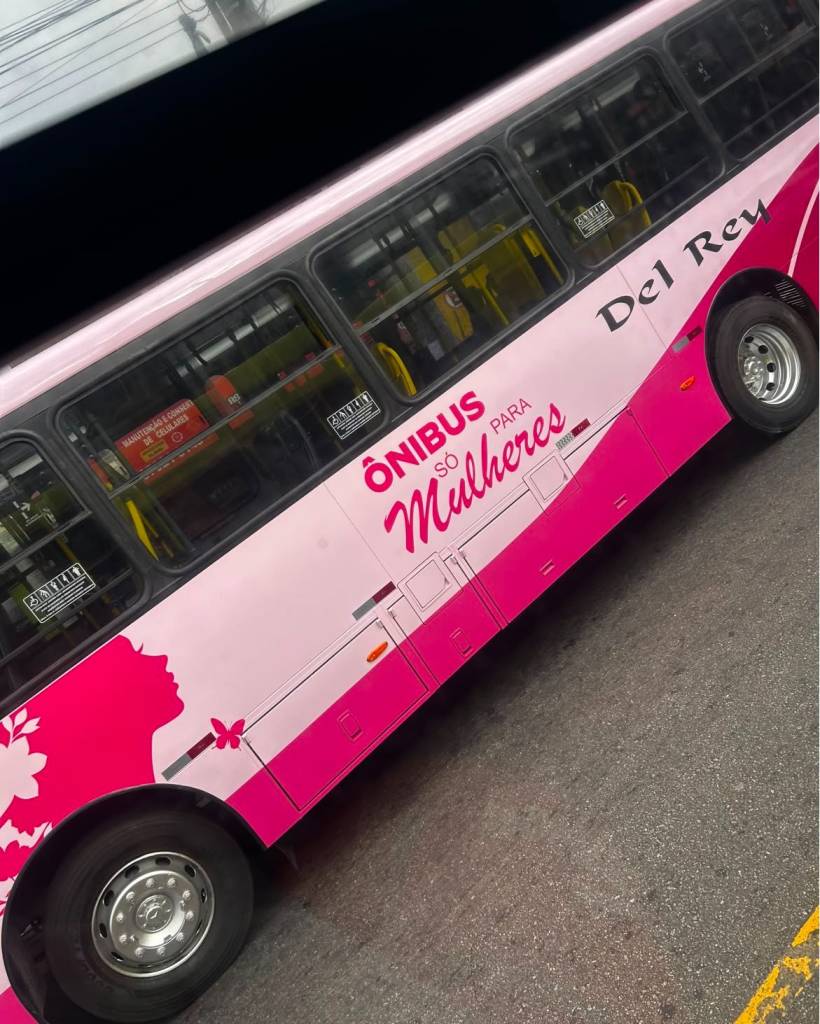
Currently, the service does not operate as a standalone network. Thewomen-only bus runs only on weekdays, during morning peak hours (between 5:10 a.m. and 8:54 a.m.) and afternoon peak hours ( between 3:48 p.m. and 7:53 p.m.).
Adult men are not permitted to board, regardless of whether they are accompanied by a woman or not. Children up to age 13 , however, may board when accompanied by a female passenger.
The fare remains at R$ 6.10, and the conventional line 15/16 continues to operate normally, serving all passengers.
The proposal for São Paulo
The initiative in Carapicuíba is modeled after the women-only cars already in use on trains and the subway in Rio de Janeiro.
In São Paulo, there is a bill proposing the introduction of buses exclusively for women. Bill 01-00719/2025 stipulates that the fleet will be identified by the color pink and, like the service in Carapicuíba, will prioritize high-traffic routes.
The project also includes the installation of security cameras on the vehicles and the training of staff —primarily women—to provide more appropriate service. In addition, it provides for integration with Abrigo Amigo, a network of bus stops monitored at night, and with Smart Sampa, the municipal video surveillance system.
However, the bill is still under consideration by City Council committees and has not yet been approved or implemented.