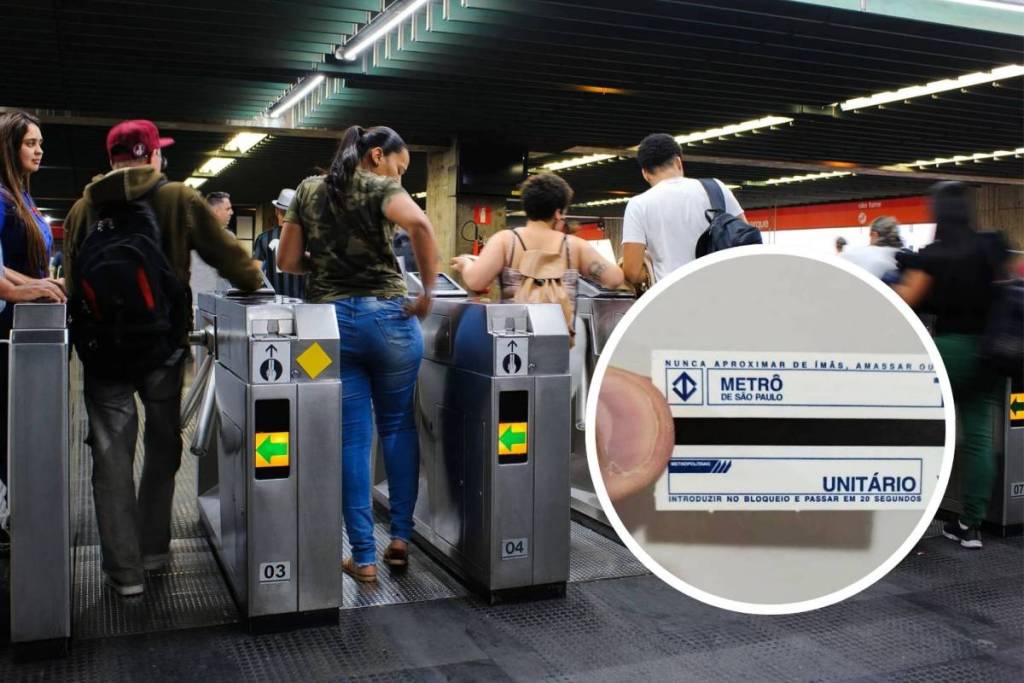

After half a century in São Paulo’s turnstiles, the Edmonson Ticket is set to go out of circulation. The paper ticket, which has left its mark on generations of subway riders, will be phased out on October 31, marking the transition from the analog era of mobility to the rise of digital technology.
The Edmonson Ticket helped shape access to the subway
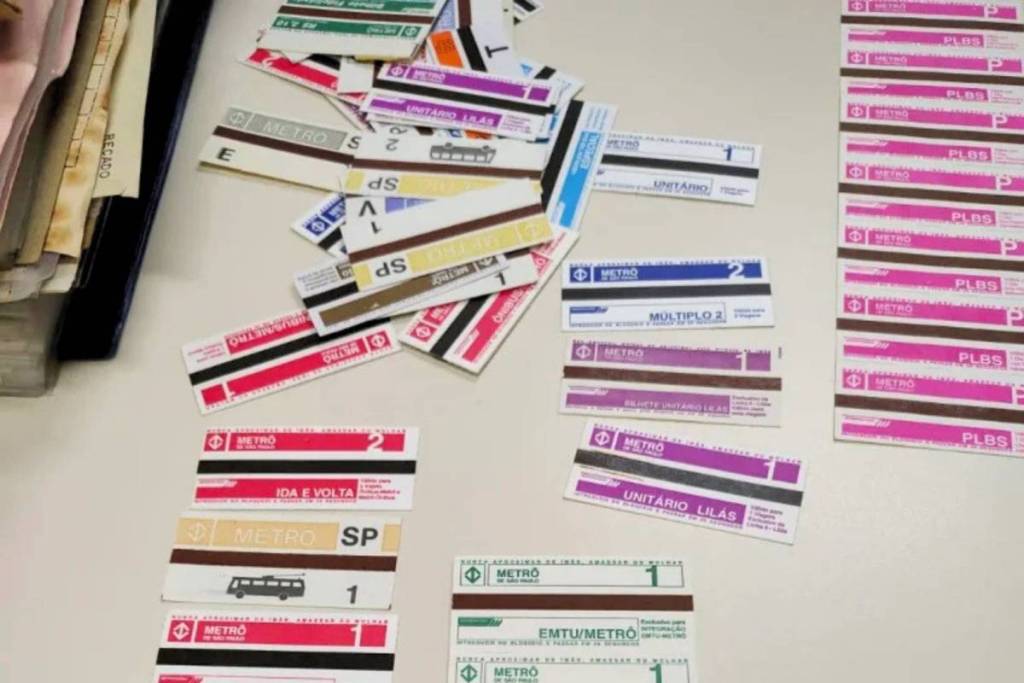
Created in the 19th century by the Englishman Thomas Edmondson, the Edmonson Ticket is a paper-card ticket model found in rail systems around the world. Its standardized format facilitated issuance, fare control, and trip validation, serving as a practical solution for public transportation for decades.
In São Paulo, it accompanied the subway’s journey for 52 years, starting with its inauguration in 1974. As a result, the small magnetic strip ticket became a familiar part of daily life in São Paulo, for workers and students alike, as well as for tourists.
Why will the magnetic ticket become obsolete?
The phase-out of the Edmonson Ticket aims to modernize fare collection and access methods, lower costs, and reduce cardboard waste. According to the Metro, magnetic tickets incur high costs for printing, distribution, in-person sales, and equipment maintenance, while offering fewer options for reloading and integration.
Therefore, starting October 31, passengers will need to retire their little cards and turn to other access and payment options. For example:
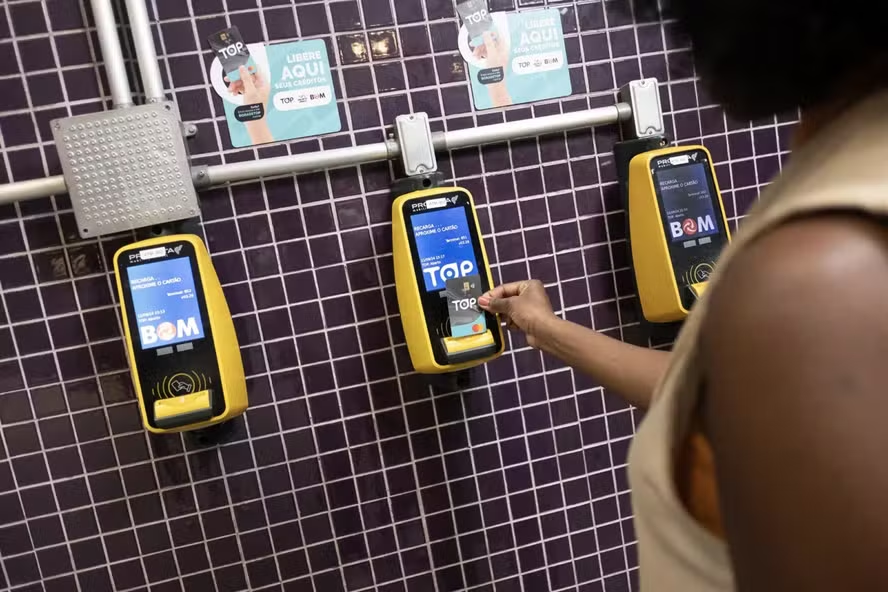
- Rechargeable electronic cards, such as the Bilhete Único and the TOP Card;
- Digital or printed QR code (the latter available for purchase at station ticket windows);
- Contactless credit or debit payments, whether via card, cell phone, or smartwatch.
It is expected that, between November 2026 and January 2027, users will be able to exchange their remaining Edmonson tickets at São Paulo Metro service centers.