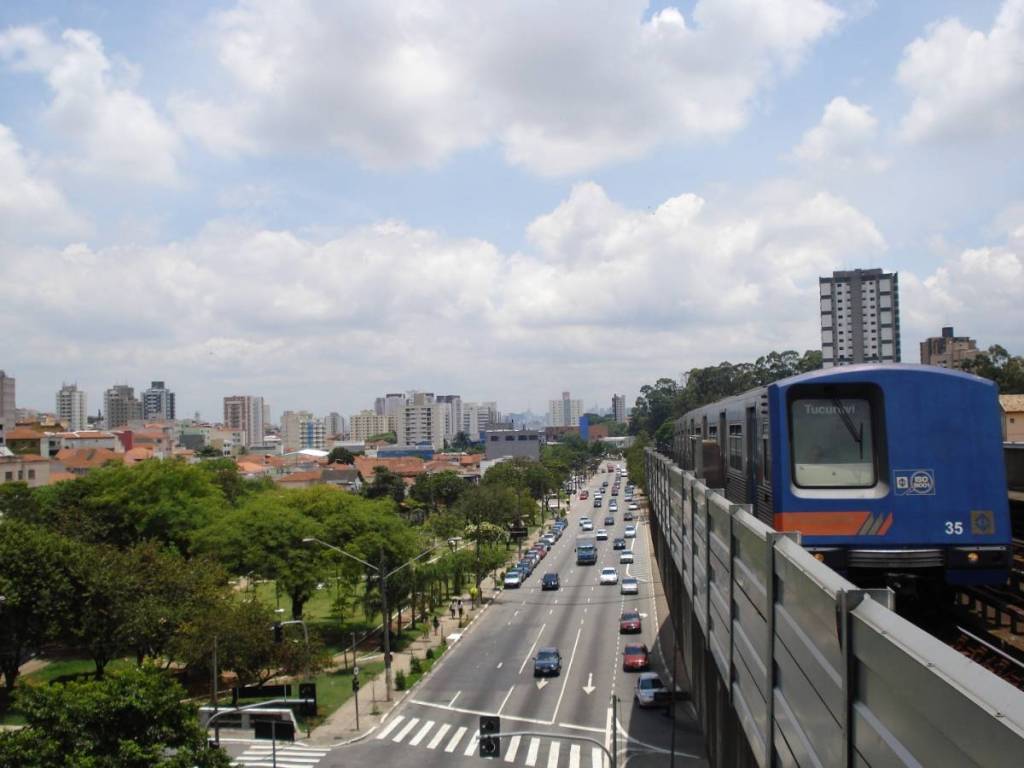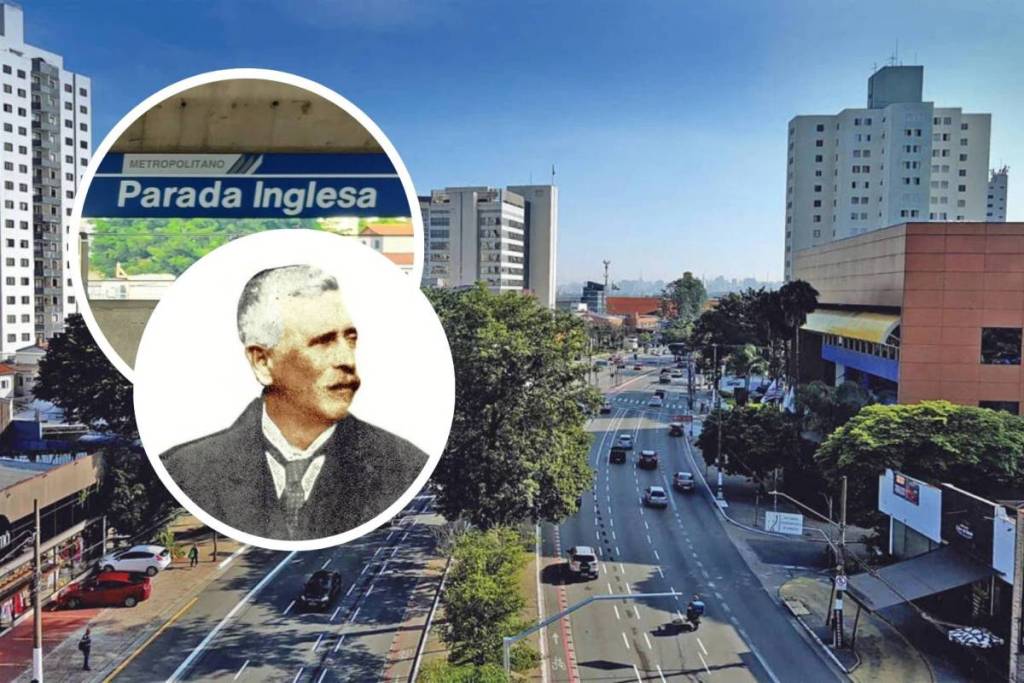

Parada Inglesa is one of the most sought-after locations for those looking to live in São Paulo’s North Zone. With a mix of residential and commercial areas and easy access to public transportation, the neighborhood combines practicality with pleasure: the quietest lifestyle in the North Zone and a direct connection to downtown via the Metro’s Blue Line 1.
But have you ever wondered where the name “Parada Inglesa” comes from? Behind this curious name lies a story that dates back to the golden age of São Paulo’s railroads and the presence of a British engineer: William Harding.
The curious history of Parada Inglesa
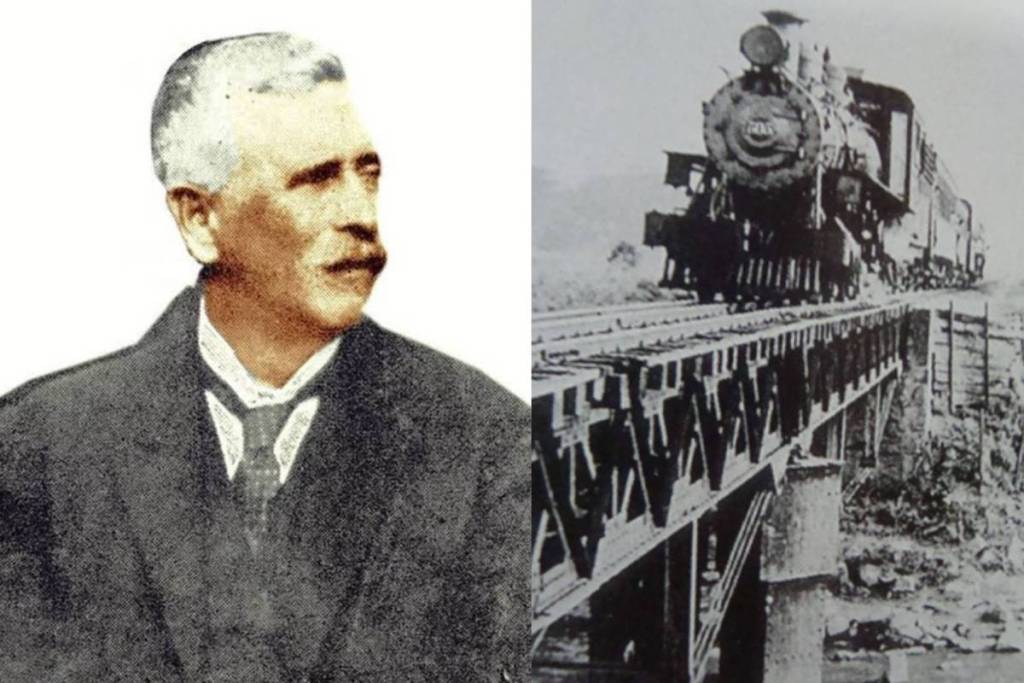
Before becoming the neighborhood we know today, Parada Inglesa was a rural area served by the Cantareira Railroad (the famous Tramway). Initially, the line carried only materials for the construction of a water pipeline to supply the region. However, in 1895, the line began carrying passengers.
William Harding is part of that story. The Englishman arrived in Brazil in 1889 to work on railroad construction, and in 1903, he purchased land from the former Itaguaravi Farm. It was on this property that he founded Vila Harding, the first urban settlement of what is now Parada Inglesa.
At that time, the Cantareira Railroad ran along what is now Tramway Street. Since there were no formal stations yet, William Harding would wait by the tracks for the train to pass. Legend has it that, upon seeing him, the passengers would shout: “Stop the train so the Englishman can get on!” Over time, the stop became known as the “Englishman’s stop” and, eventually, the “English stop.”
From train to subway: the neighborhood’s growth
As in other São Paulo neighborhoods, the transformation of Parada Inglesa came on rails: first via the Cantareira Tramway and, later, with the arrival of the Metro.
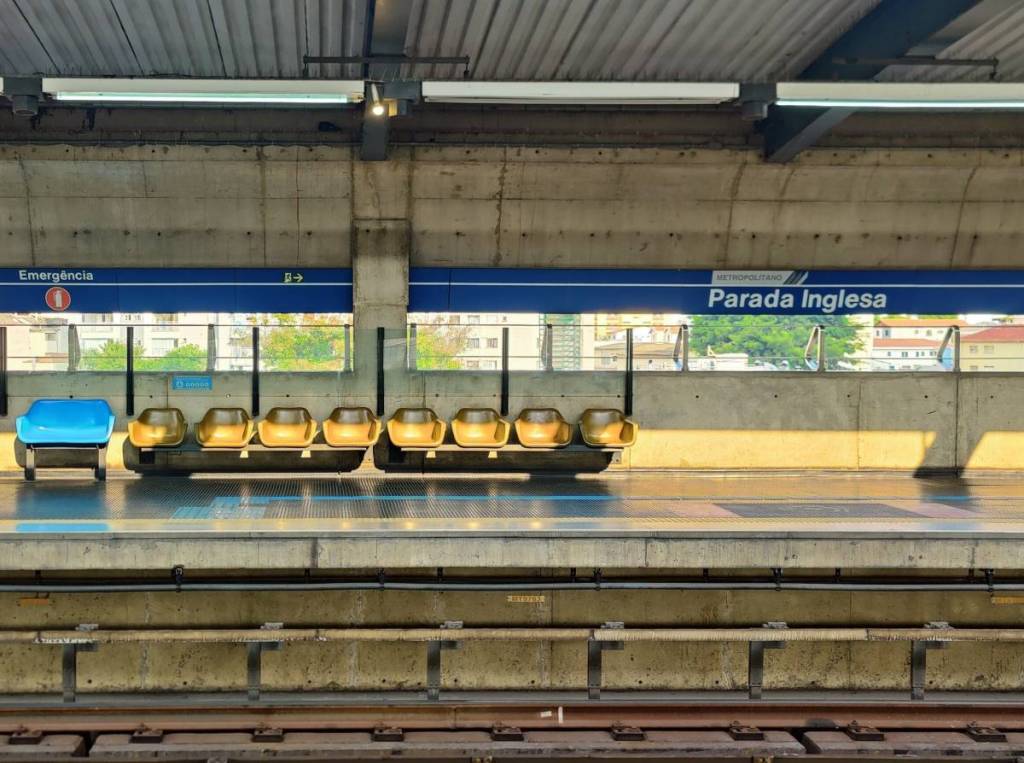
Parada Inglesa Station, on Line 1 (Blue), opened on April 29, 1998. Since then, the neighborhood has attracted residents from other regions and has undergone intense vertical development, with old townhouses being replaced by new residential buildings.
That’s why we can say that the neighborhood preserves the memory of São Paulo’s railway heritage. At the same time, it is transforming daily, driven by the Metro and the strong urban dynamics of the North Zone.