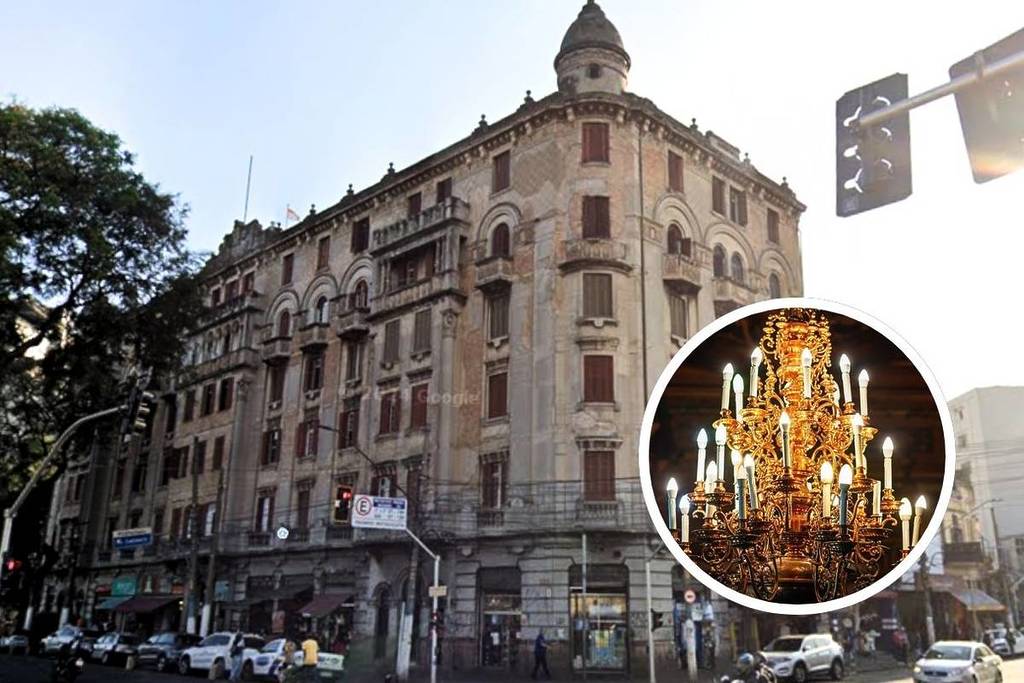
The participation of the Arab community in the growth of São Paulo is unquestionable, having contributed significantly to the economic and real estate development of the capital. A notable example is the immigrant Nacim Schoueri, a major wholesaler in the textile sector, who made a mark at the time by commissioning an innovative palace at the beginning of the 20th century.
Although it no longer stands out as much today, Palacete Nacim Shoueri was a benchmark in construction when it opened. With its modern infrastructure and privileged view of Dom Pedro II Park, the building attracted the emerging middle class and became one of the most coveted addresses of the 1930s .
A pioneer in the city of São Paulo
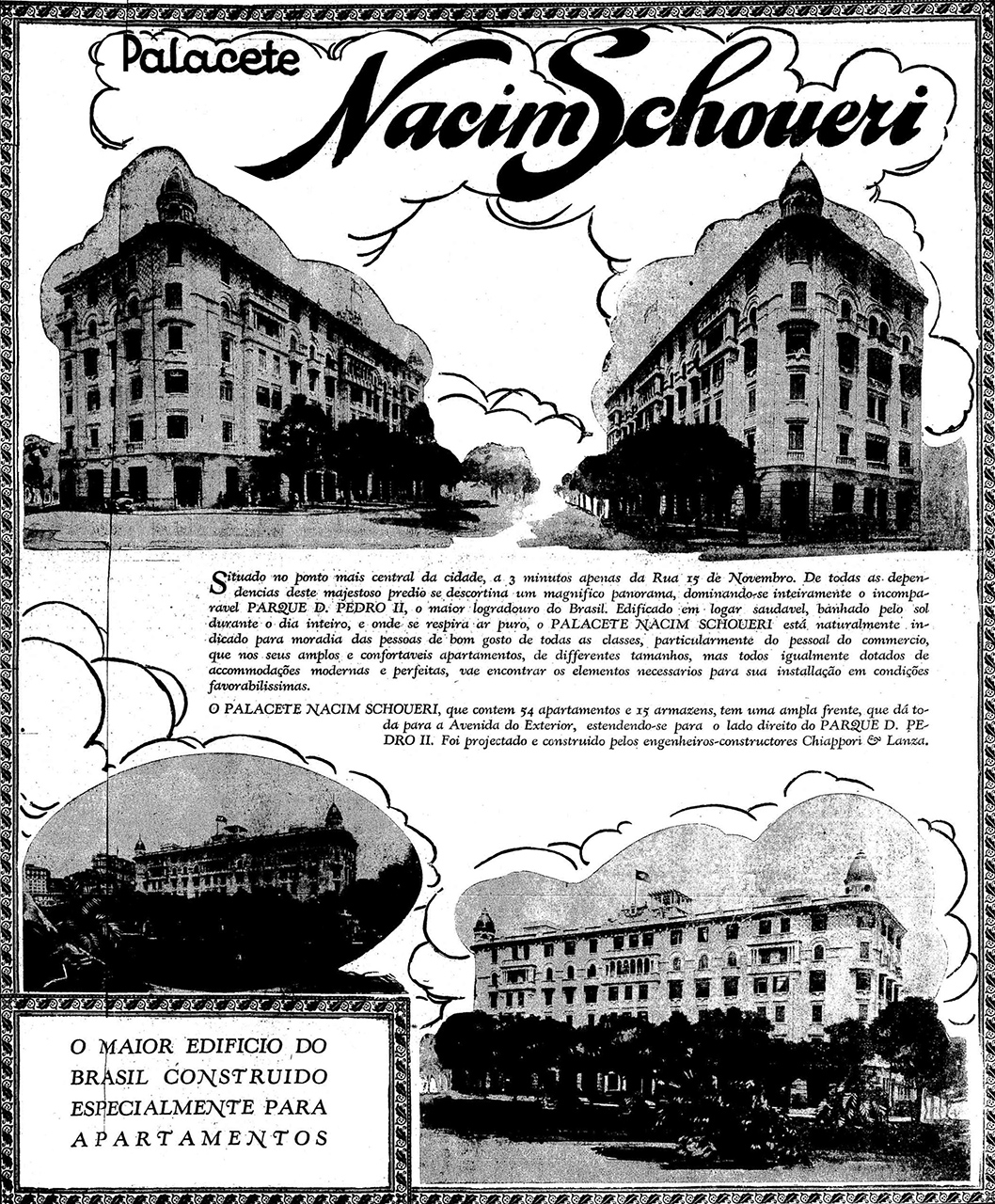
Inaugurated in 1930, the Nacim Shoueri emerged as a symbol of innovation among São Paulo’s residences. While a large part of the population still relied on public sources, the building already had running water, private bathrooms and electricity – luxurious and revolutionary features for the time. For this reason, it attracted many São Paulo residents and middle-class Arab immigrants, especially merchants.
It was also the first large exclusively residential building in the city, with 54 spacious apartments of up to 80 square meters. Other highlights included large balconies, elevators and refined finishes, which made it perfect for those seeking comfort in the first half of the 20th century.
At the time, Dom Pedro II Park was one of the city’smain green areas, offering leisure and contact with nature for children and adults. Thus, the privileged view guaranteed Palacete Nacim Shoueri a distinguished status among the population.
How is the Nacim Schoueri Palace?
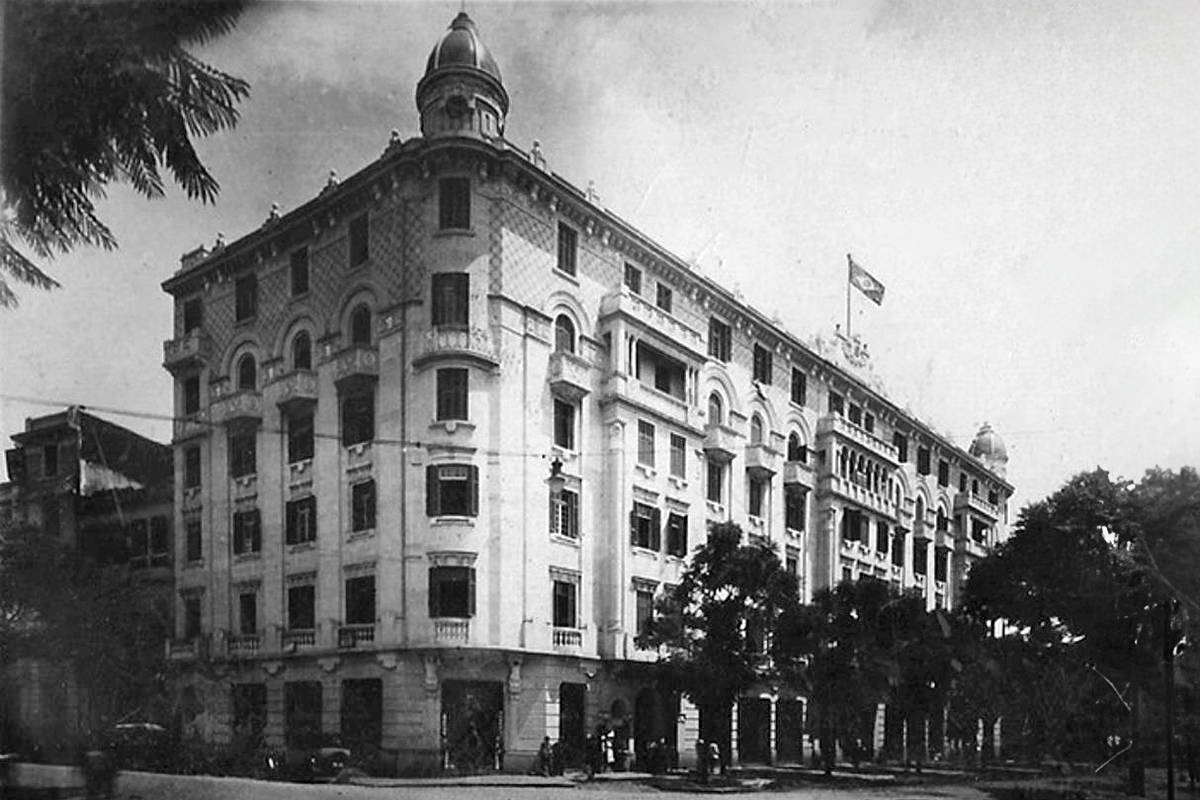
As the years went by, Parque Dom Pedro II lost its prestige and the area fell in value. As a result, the wealthier classes migrated to other neighborhoods, changing the profile of the palace’s residents.
Today, the building – which has no garage – is home to a large number of Chinesefamilies and Brazilians attracted by the large apartments. Listed as a historical heritage site since 2007, Palacete Nacim Schoueri retains its original façade amidst the frenzy of São Paulo’s commerce, with a history that continues to fascinate historians, architects and lovers of the city.