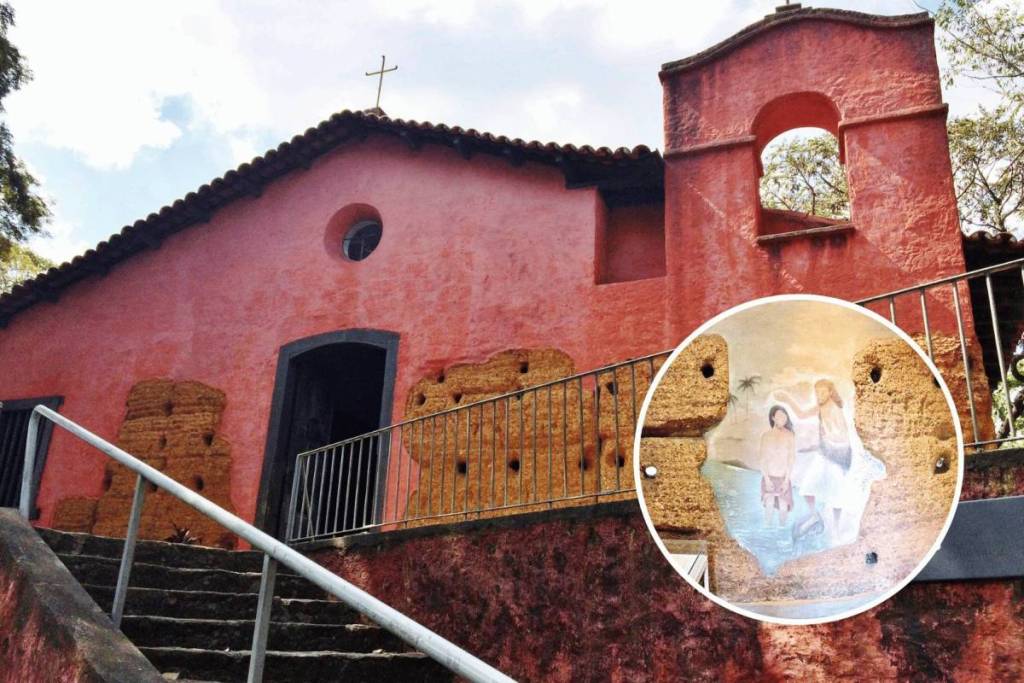

Amid São Paulo’s concrete jungle, the Morumbi Chapel stands out as a haven of nature and historical preservation. The iconic structure combines ruins from the colonial period with modern brick masonry, serving as a rare example of rammed earth architecture in one of São Paulo’s most upscale neighborhoods.
Although its name evokes religious significance, the Morumbi Chapel currently serves as a venue for events and contemporary exhibitions. That’s why it’s a must-see for anyone who, like us, loves discovering hidden cultural gems throughout the metropolis!
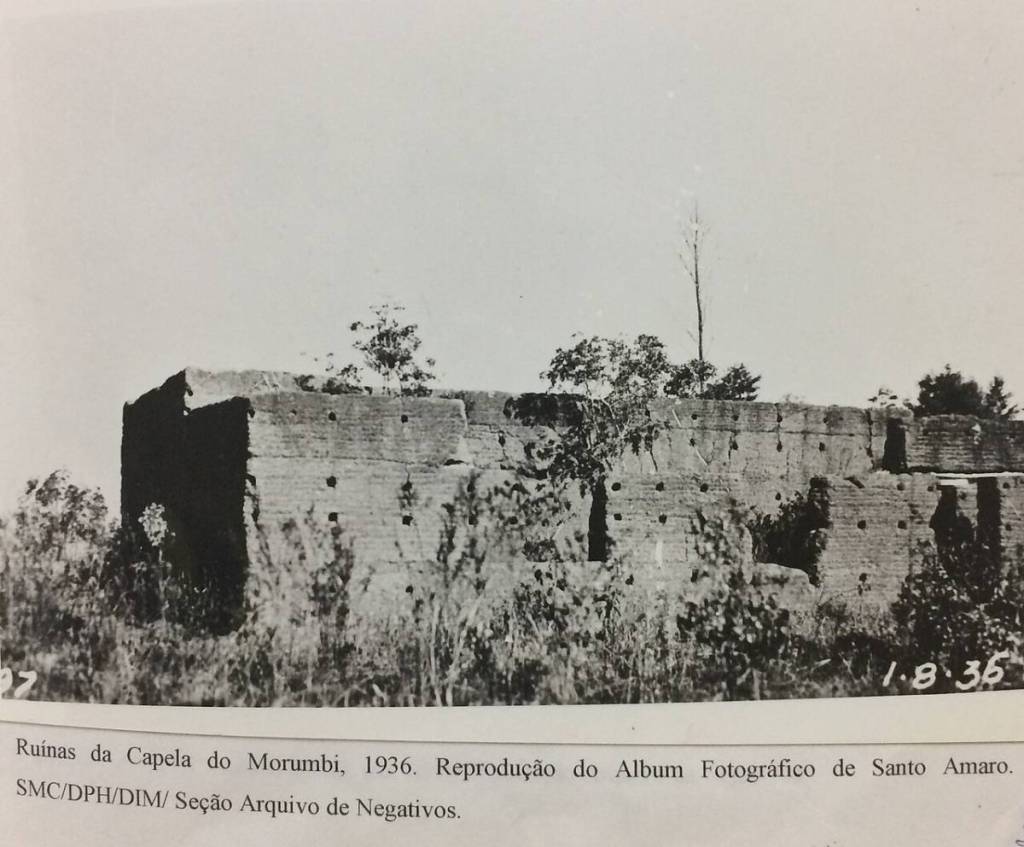
The ruins are at least 200 years old
First, a curious fact: it’s not known whether the Morumbi Chapel was ever actually a chapel. The only confirmed fact is that this rammed-earth structure belonged to the former Morumbi Farm, which, in 1825, passed into the hands of the Englishman John Rudge.
The rural property, whose subdivision gave rise to the South Zone neighborhood, was dedicated to black tea cultivation. Researchers speculate that the ruins may have been a small church dedicated to Saint Sebastian or a burial chapel for the farmers. There is also speculation that the space may have served as a warehouse.
In the 1940s, the ruins became the property of Cia. Imobiliária Morumby, which subdivided the land. To enhance the site’s value and attract residents, the development company hired architect Gregori Warchavchik to restore the little house.
Warchavchik completed the construction with masonry but left the rammed earth walls exposed to honor their legacy. It was the architect himself who named the site “Capela do Morumbi, ” transforming the ruins into a work of art and architecture.
How to visit the Morumbi Chapel?
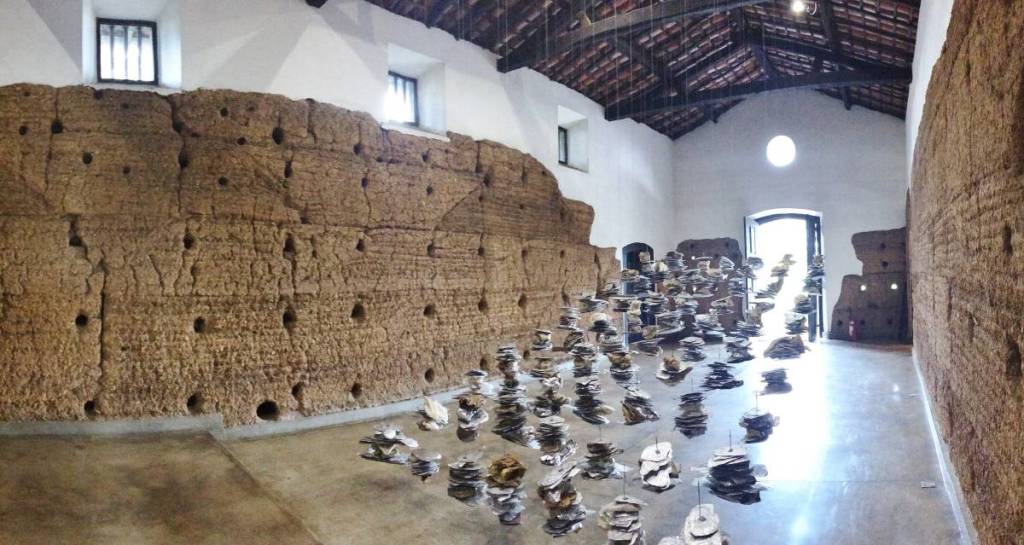
Today, the building is a municipal heritage site and part of the collection of the São Paulo City Museum. The chapel’s central nave has been transformed into a performance hall, occasionally hosting weddings and small events.
Since 1991, the space has also served as a cultural center, focusing on contemporary art exhibitions. The exhibitions are designed specifically for the space, engaging directly with local architectural features, such as rammed earth.
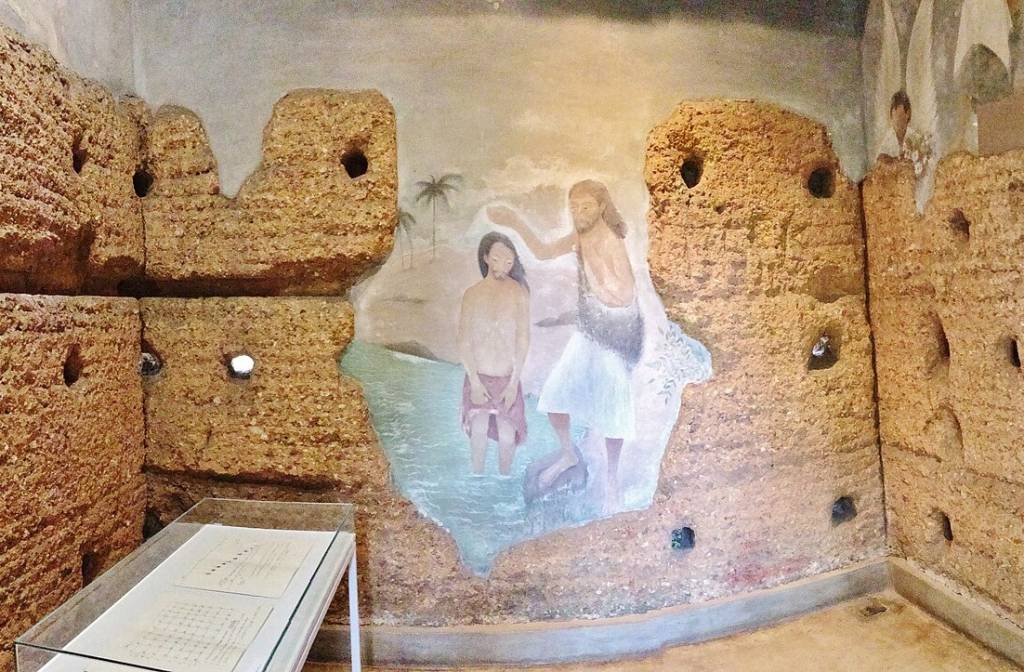
In addition, the interior draws attention for the frescoes by artist Lúcia Suanê. The images adorn the masonry walls and depict the life of Jesus Christ, featuring angels and characters with Indigenous features.
You can visit the Morumbi Chapel for free, with no need to schedule a time. Just show up and enjoy this treasure that has stood the test of time for two centuries in Latin America’s largest metropolis!
📍 Where: Avenida Morumbi, 5,387 – Morumbi
📅 When: Tuesday through Sunday, 9 a.m. to 5 p.m.
🎟️ Tickets: Free admission
⛪ More information: Check out the São Paulo City Museum website