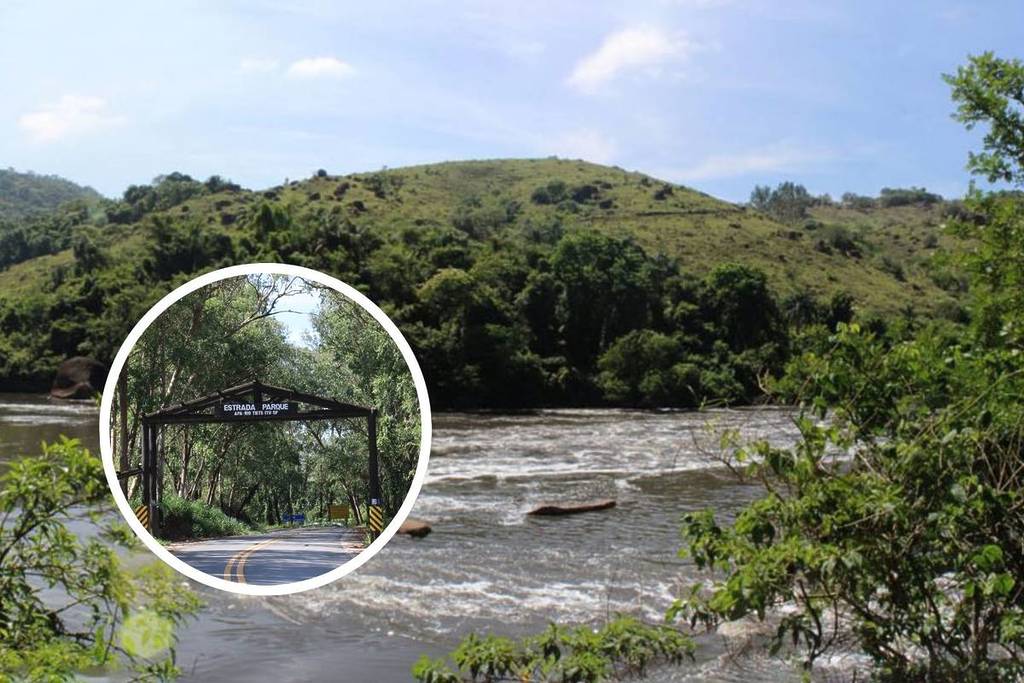
Opened in 1922, the Romeiros Highway (SP-312) carries history in every kilometer of its length. In addition to being one of the first paved highways in Brazil, it also played an important role in the migration of indigenous peoples and bandeirantes, serving as an important routefor transporting coffee and sugar.
The bandeirantes, who give their name to the main highways in São Paulo, such as Anhanguera and Raposo Tavares, were primarily responsible for clearing roads such as Romeiros. Despite their merits and achievements, the bandeirantes were protagonists of an unfortunate chapter in our history: as they did not have enough wealth to own black slaves, they enslaved and took over indigenous territories.
The indigenous heritage of the cities on the Romeiros Road
Long before the arrival of the bandeirantes, native peoples already inhabited the place we know today as the Romeiros Road. The region still retains its Tupi names, revealing its cultural heritage and history that even time has been unable to change.
- Santana de Parnaíba: “Santana” is a tribute to Santa Ana, the patron saint of the city, while “Parnaíba” comes from the Tupi language: a river that is difficult to navigate, connected to the Tietê.
- Itu: From the Tupi language: Waterfall, the name refers to the famous waterfalls in the region.
- Pirapora do Bom Jesus: Comes from the combination of Pirá, which means fish, and Pora, which means jump. In short, “fish jump,” the name refers to the fish that jumped in the rapids of the Tietê River. Bom Jesus is a reference to a wooden image of the city’s patron saint, found in the Tietê River.
The progress and modernization of the highway
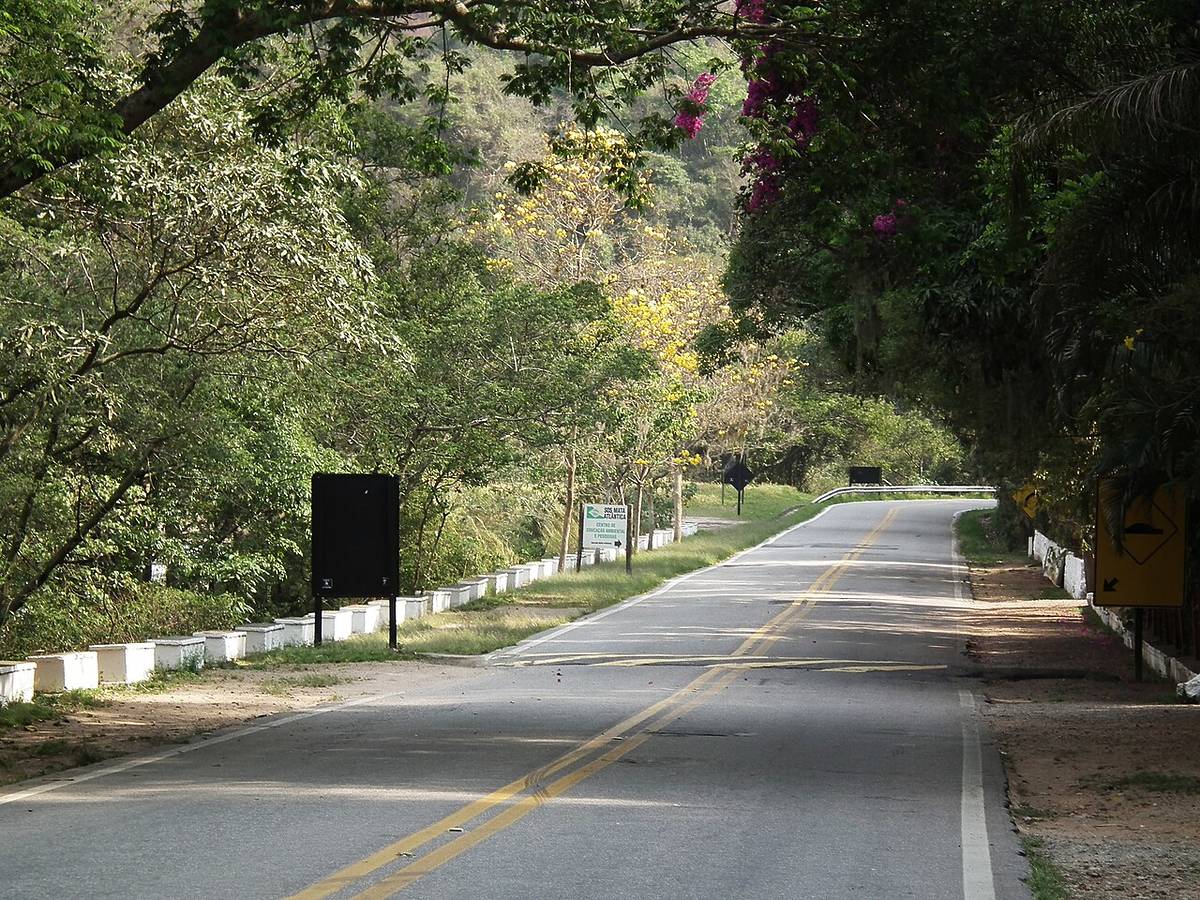 Photo: wikipedia/joao batista Shimoto
Washington Luís, the then governor of São Paulo, was a great supporter of road construction. For him, investing in the road network would help to reduce the cost of transporting coffee from the capital to the interior by road. His plan was to put the state of São Paulo at the top of the national economy.
The governor made a point of closely monitoring the construction work. He prioritized paving and maintenance, in addition to focusing on the revitalization of historically important old roads, building lookouts to contemplate the Tietê River. All of this was done using the old bandeirante narrative, which in history also aimed at progress and discovered the Estrada dos Romeiros (Pilgrims’ Road) years before its inauguration.