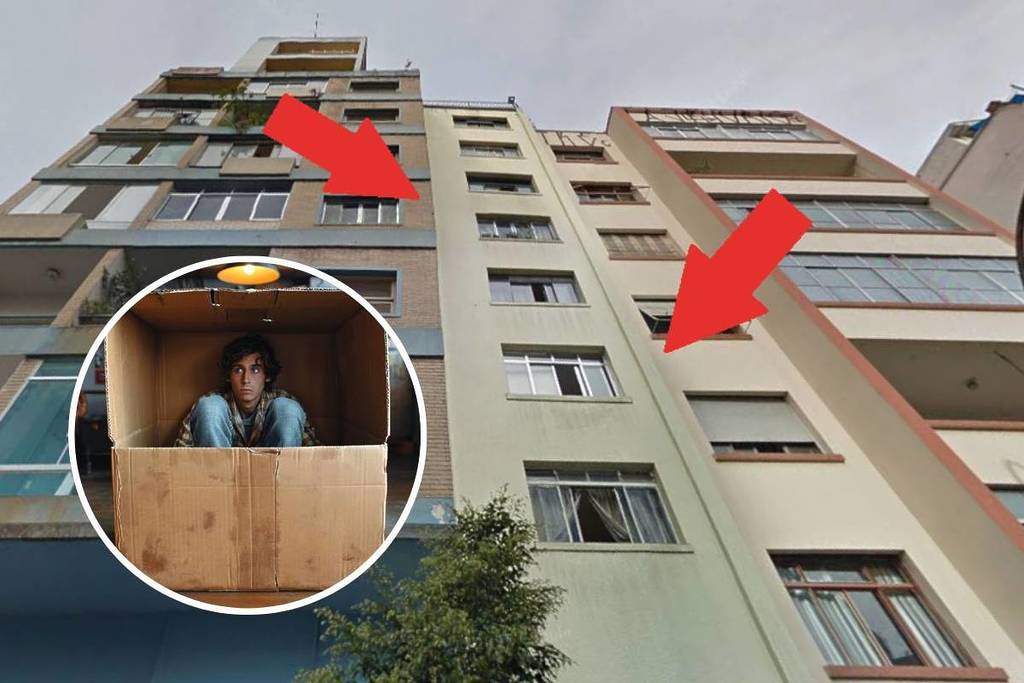

Like any metropolis, São Paulo is full of eye-catching buildings —from“vertical forests” to the famous Casa Bola. One of the capital’s most peculiar structures, however, goes unnoticed by most São Paulo residents: the L’Arlesiana Building. Approximately 3 meters wide, it holds the title of São Paulo’s narrowest building.
Its name pays homage to the opera L’Arlesiana (1897) by the Italian composer Francesco Cilea. The building is part of a series of projects by Construtora Orban named after great operas. Despite its poetic aura, what really catches the eye is its tiny size, which makes it almost invisible amid the hustle and bustle of São Paulo.
A “window of opportunity” in São Paulo’s growth
In the mid-20th century, São Paulo received a massive influx of migrants seeking opportunities. This influx increased the demand for housing and , consequently, spurred the city’s rapid vertical expansion.
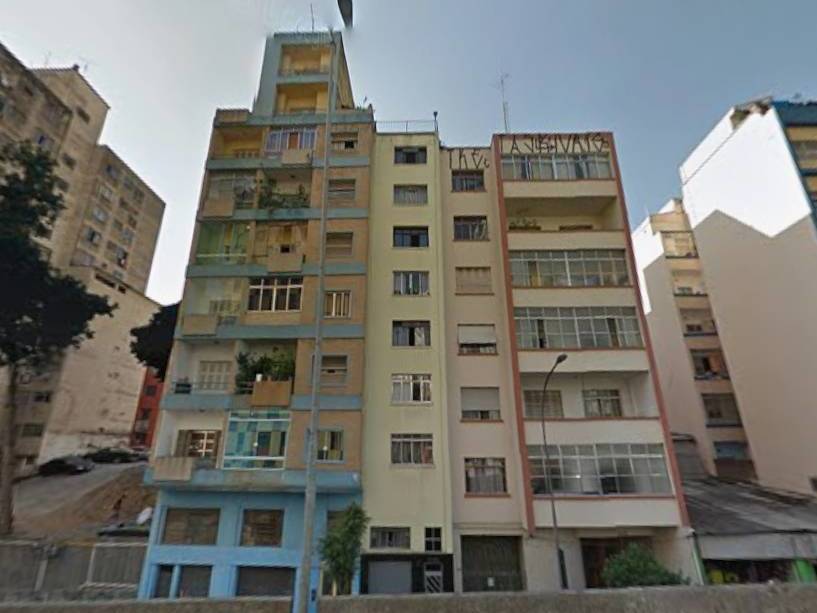
The L’Arlesiana Building emerged in this context, with the aim of housing workers from downtown. The construction company began work on 9 de Julho Avenue, a location that was already in high demand at the time. The available lot, however, was not the largest. On the contrary, it was “squeezed” between two buildings and measured just 3.8 meters wide by 12 meters deep.
These days, a building like this would be impossible. In the 1960s, however, there were no laws requiring setbacks between large buildings. So, Orban didn’t think twice and took advantage of every centimeter to erect its daring project in this (quite) narrow gap.
Privileged views and tiles: life inside São Paulo’s narrowest building
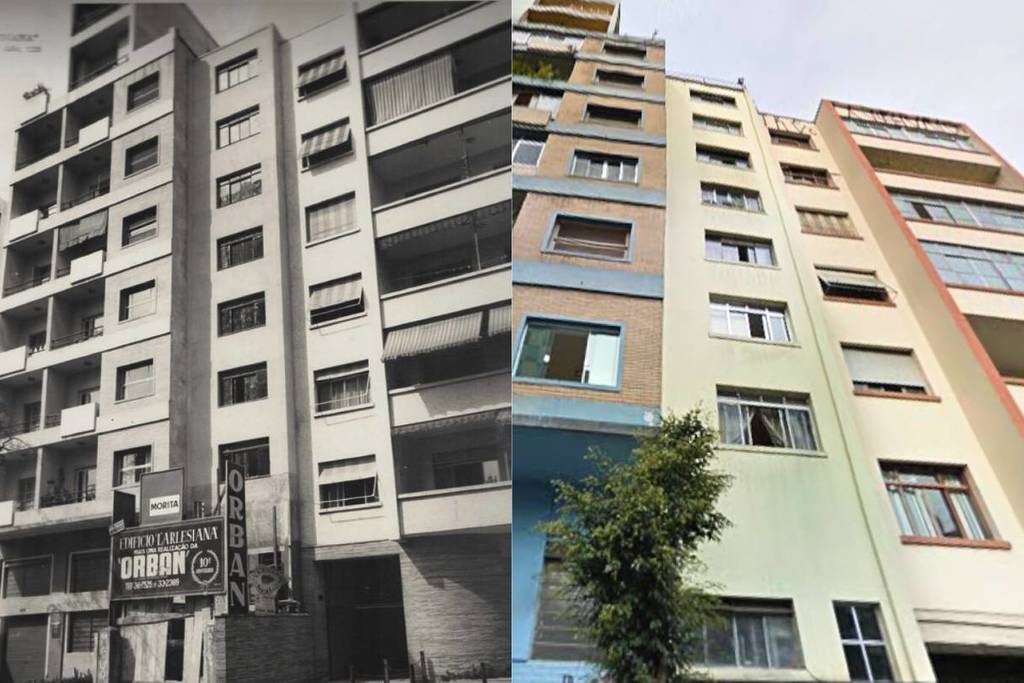
With seven floors and 14 studio apartments, the L’Arlesiana Building continues to surprise even today. The property maintains the poetry of its name through details such as a facade clad in lime-green tiles that contrasts with the grayish neighboring buildings.
In an account for the website Refúgios Urbanos, architect Almiro Dias recounts his experience visiting the property. Right at the entrance, visitors are greeted by a panel of hand-painted tiles that lend charm to the passageway. Furthermore, the studio apartments make up for their minimal size with large windows offering a privileged view, revealing the downtown area and Paulista Avenue.
We can conclude that, despite its compact size, the property stands out for its delicate finish and historical value. And you, would you have the courage to live in an apartment just 3 meters wide?