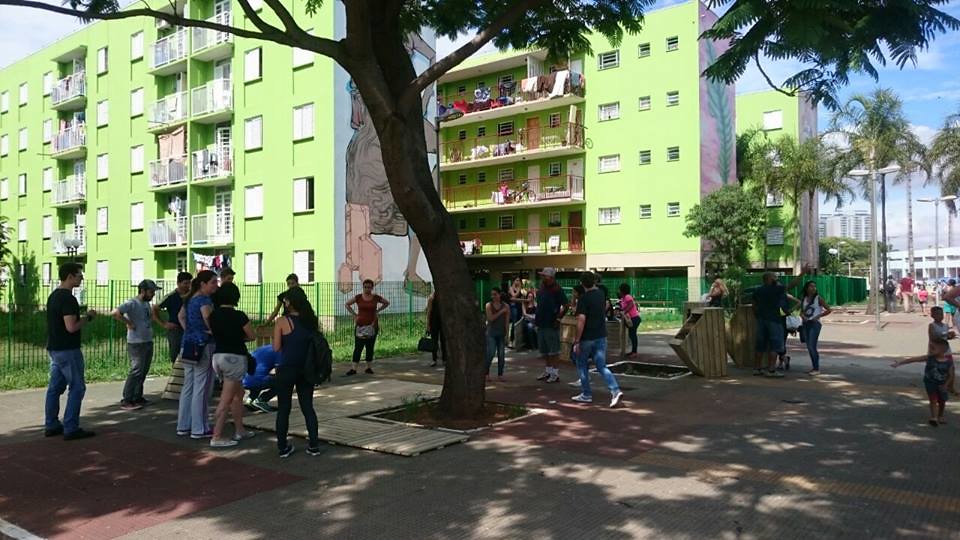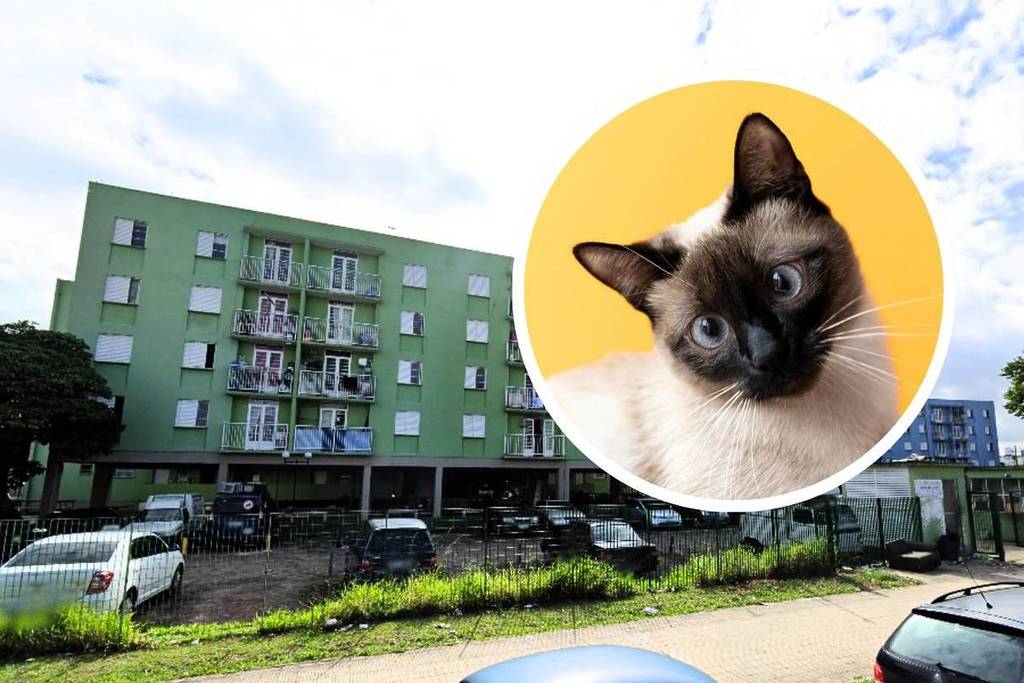
Most São Paulo residents are familiar with Parque do Gato, a housing estate in the Bom Retiro neighborhood. What few know, however, is the dark origin behind its name. Inaugurated in 2004, the complex refers to a period that marked the center of São Paulo in the 20th century, and which is still rarely remembered today.
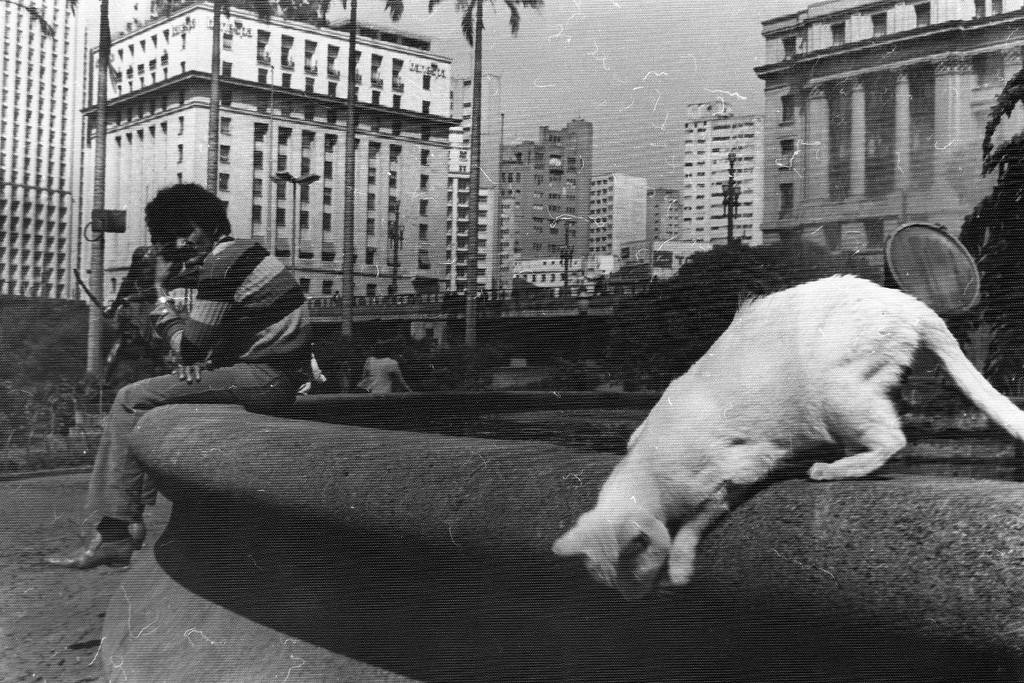
It all began in the 1950s, in Ramos de Azevedo Square, near the Fountain of Wishes. At a time when animal rights were non-existent, the place became a dumping ground for felines, to the point where it was nicknamed “Praça dos Gatos” (Cats’ Square).
Vale do Anhangabaú and “feline overcrowding”
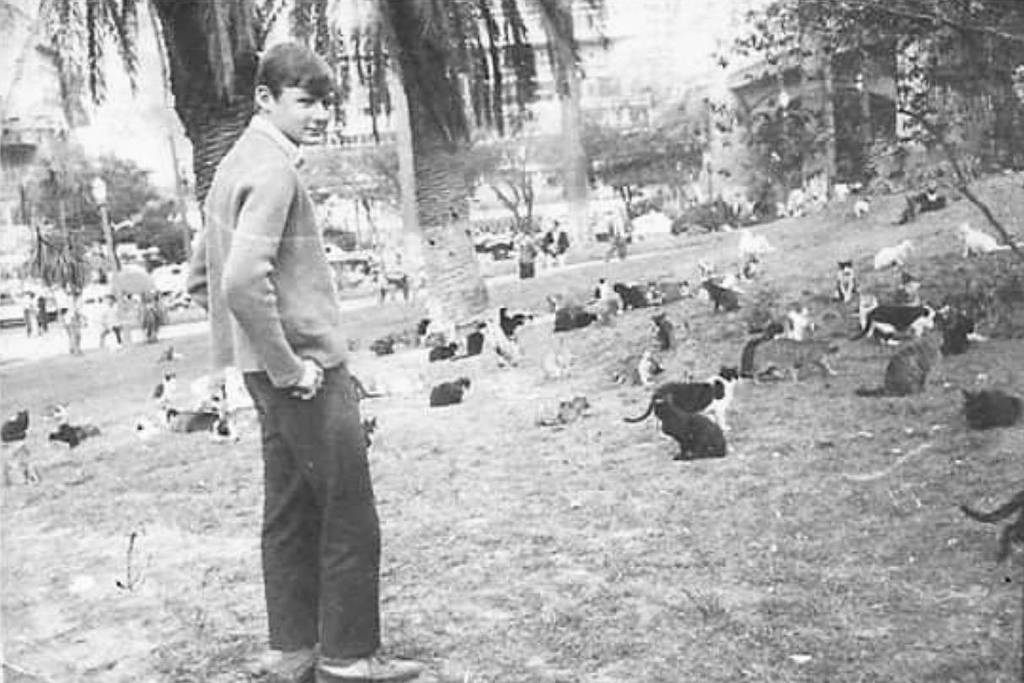
If animal abandonment is a problem today, how about in 1950? More and more residents dumped “unwanted” cats there, and before long, Ramos de Azevedo Square was overflowing with felines. There were once more than 300 cats living there, and they reproduced exponentially.
Some volunteers brought water and food for the cats, but it wasn’t enough for everyone. Many died of hunger or disease, or were run over by traffic in the Anhangabaú Valley. There was even a cat hunt in 1968, when USP veterans ordered freshmen to capture the animals during a hazing.
There was so much disorder that, in 1980, then mayor Mário Covas decided to put an end to the situation. So, the city government transferred all the animals to a plot of land on the banks of the River Tietê, in the Bom Retiro neighborhood , and gave it to a volunteer who would take care of the animals. Thus creating the Parque do Gatos.
The gloomy fate of Parque do Gato
Initially, the idea seemed to work. Employees and volunteers at the Parque do Gatos looked after almost 800 animals, feeding them and treating possible illnesses. It was hard, expensive work that received no financial support from the government – everything came from the people’s pockets.
In 1993, however, São Paulo society was shocked by some astonishing news: Parque do Gatos had become an extermination camp, with gas chambers for killing sick and healthy animals. Up to 10 cats were killed every minute and then dumped in garbage bags in the River Tietê. The police investigated the case, and it seems that the killing was done to reduce the cost of the animals.
Despite the horror it caused in society at the time, the story ended up being forgotten. The only reminder is the Parque do Gato housing estate, which bears the name and occupies the site where hundreds of cats lived – and died. All that remains is to warn us about the long-standing problem of abandonment in São Paulo and the need to take these animals in so that they don’t suffer (even more) at the hands of malicious people.