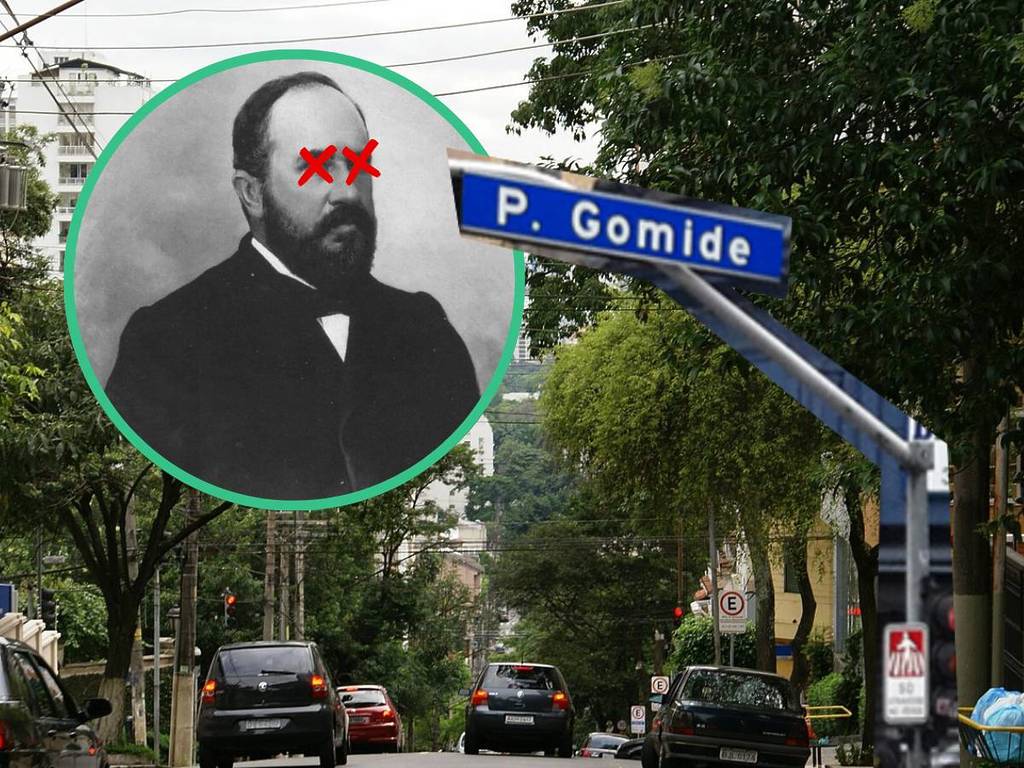
Do you know Rua Peixoto Gomide? Located in one of the main areas of the capital, the street cuts through Avenida Paulista and is home to important addresses, such as the traditional Nove de Julho Hospital. But who was Peixoto Gomide anyway? Today, we’re going to tell you the macabre story behind the man after whom this city street is named.
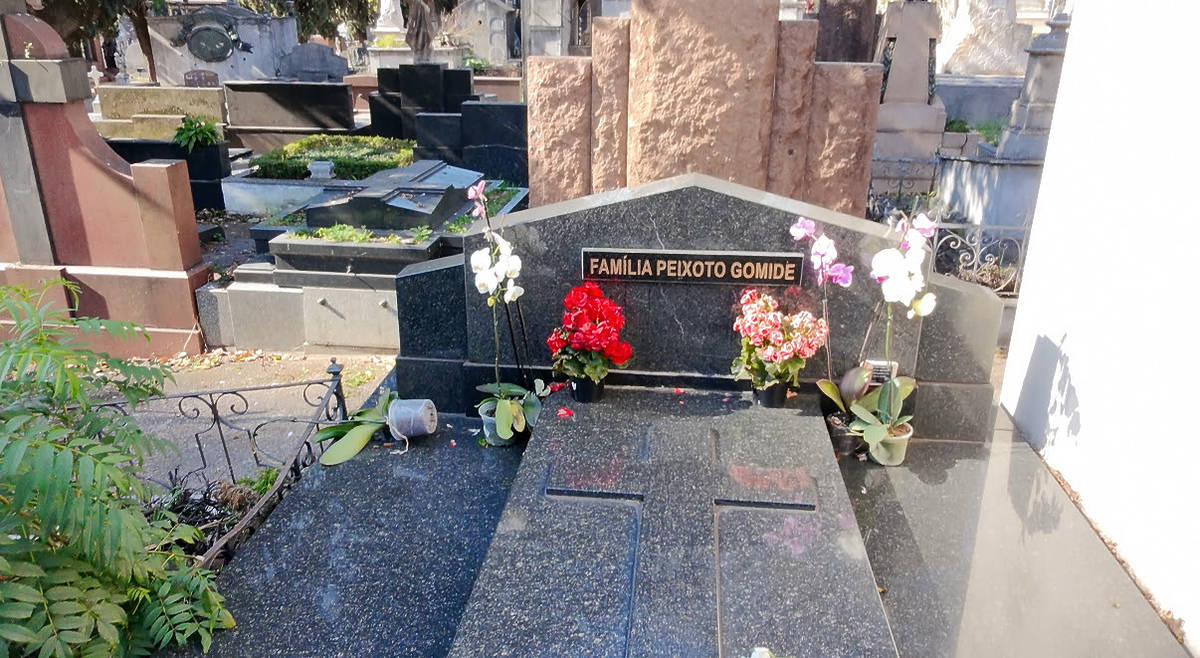
Who was Peixoto Gomide?
Assassin and president of the State Senate between 1897 and 1898, a position equivalent to that of a governor today, Francisco de Assis Peixoto Gomide Júnior was part of one of São Paulo’s most traditional families. The man lived with his daughter, Sofia Gomide, in the Palacete Chavantes, now a commercial building, in Rua Benjamim Constant – Sé.
On January 20, 1906, just a week before the young woman’s wedding to engineer, public prosecutor and poet Manuel Baptista Cepelos, her story came to an end through a cruel act by her father. In the family home, Peixoto Gomide shot his daughter in the head and then committed suicide.
While Sofia never received official honors and was buried in her wedding dress next to her own killer, Francisco de Assis Peixoto Gomide Júnior’s story followed a different path. Even after the barbaric crime, the father received a funeral worthy of a political leader and, in 1914, the São Paulo City Council named one of the city’s main streets in his honor.
One bill and this story could change!
Before being named after someone who has a femicide on her record, the street in question was called Maria Isabel and was renamed. Unfortunately, this is not the only street where this kind of story happens in São Paulo.
In 2025, a bill proposing to ban tributes to figures who have committed femicide is before the São Paulo City Council. In addition, a complementary bill aims to rename Rua Peixoto Gomide as Rua Sofia Gomide, a symbolic reparation and appreciation of the victim’s memory, which the city and time have erased from history.
Finally, it’s always good to remember: call 180 to speak to the Women’s Helpline and 190 to contact the Military Police in emergencies. These services are essential in the fight against violence against women.