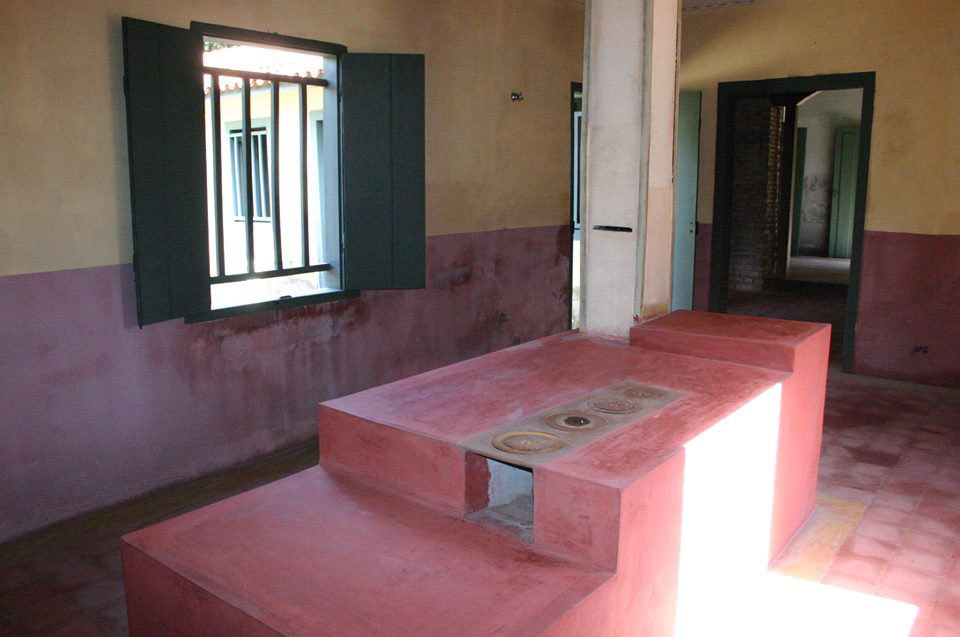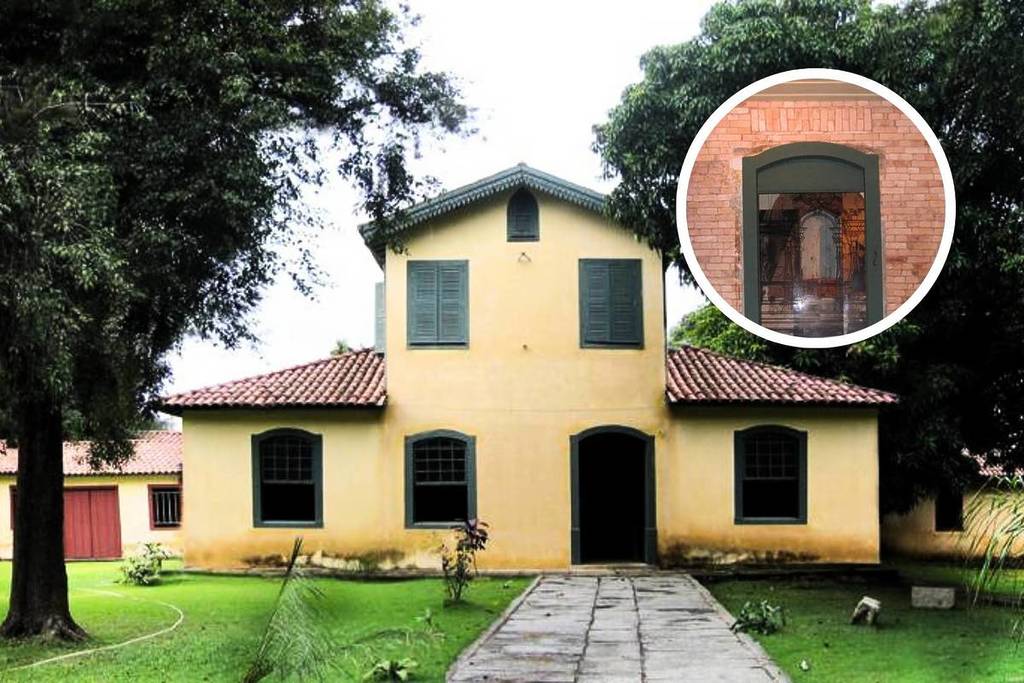
The Casa do Regente Feijó is hidden in the midst of São Paulo’s modernity and is a silent witness to colonial times. With 300 years of existence, the building is one of the last examples of rammed earth in the city, preserving memories of São Paulo’s beginnings.
This is because the house is part of the Sítio do Capão, whose first records date back to 1698! After centuries of history, the Casa do Regente Feijó has become a symbol of bandeirista architecture and preserves not only old walls, but also important chapters of Brazilian politics.
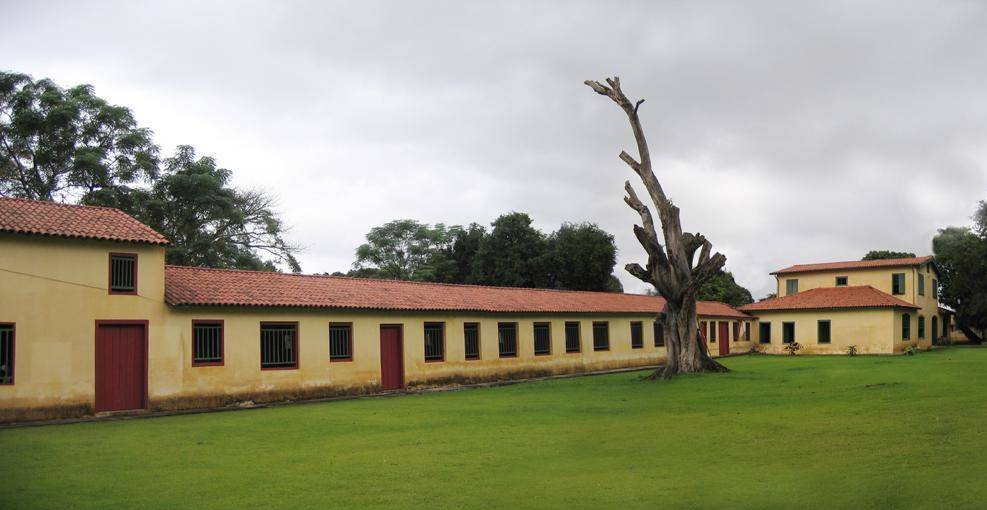
Casa do Regente Feijó housed politicians and social works
The house is named after its most illustrious resident, Father Diogo Antônio Feijó. Better known as the Regent of the Empire Feijó acquired the property in 1829 and lived there until the middle of the 19th century, when he was already playing a central role in Brazilian politics.
In 1911, Sítio do Capão was transformed into a center of solidarity. Poet and philanthropist Anália Franco founded the Associação Feminina Beneficente e Instrutiva, which helped children and mothers in vulnerable situations. At a time when prejudice was even greater, the Casa do Regente Feijó was revolutionary: it housed people of all faiths and ethnicities, including those with disabilities. disabilities.
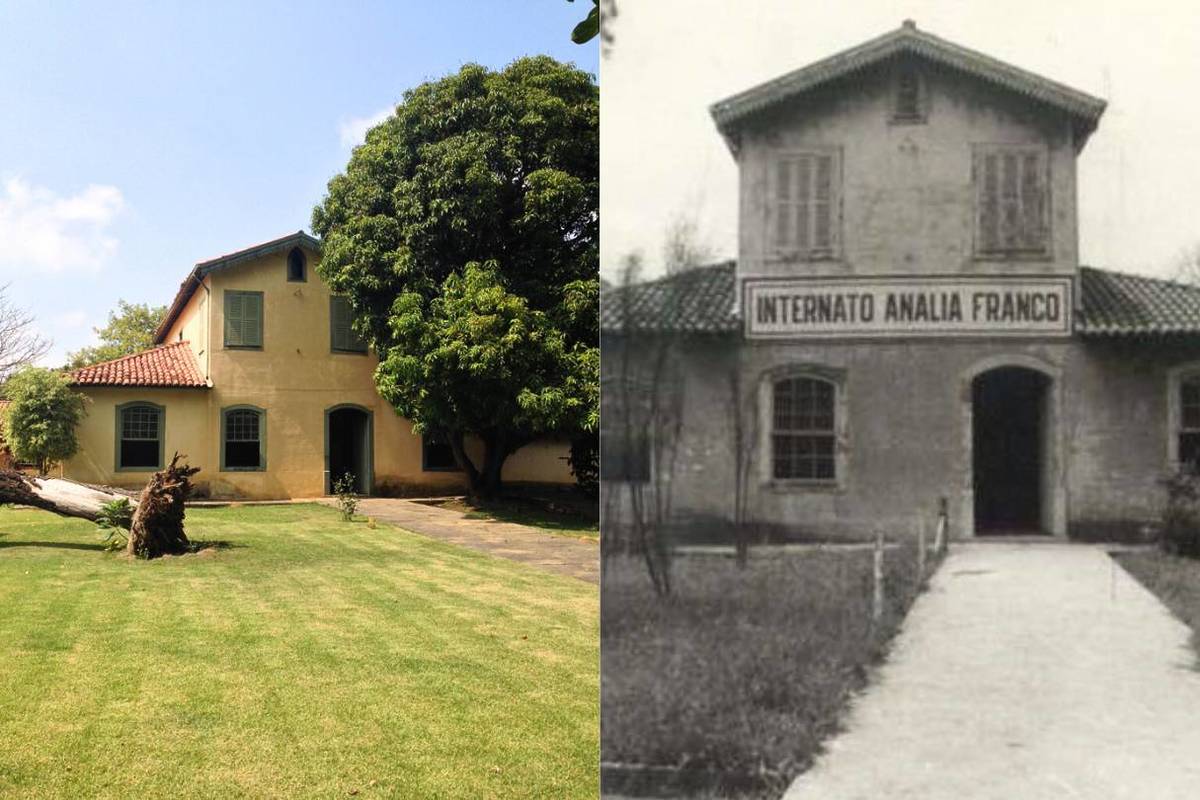
Sítio do Capão opens its doors on specific dates
Because of its historical and architectural importance, the Casa do Regente Feijó became a São Paulo state heritage site in 1984. Thus, the space underwent a restoration that preserved its rural and bandeirista essence preserving original techniques such as rammed earth .
The historic mansion is now part of the Anália Franco campus of the Cruzeiro do Sul University. The space is not open for regular visits, but on special dates and events it is possible to see one of São Paulo’s most valuable architectural examples up close. That’s why it’s worth following the university’s social networks so you don’t miss out on unique opportunities to visit Sítio do Capão!