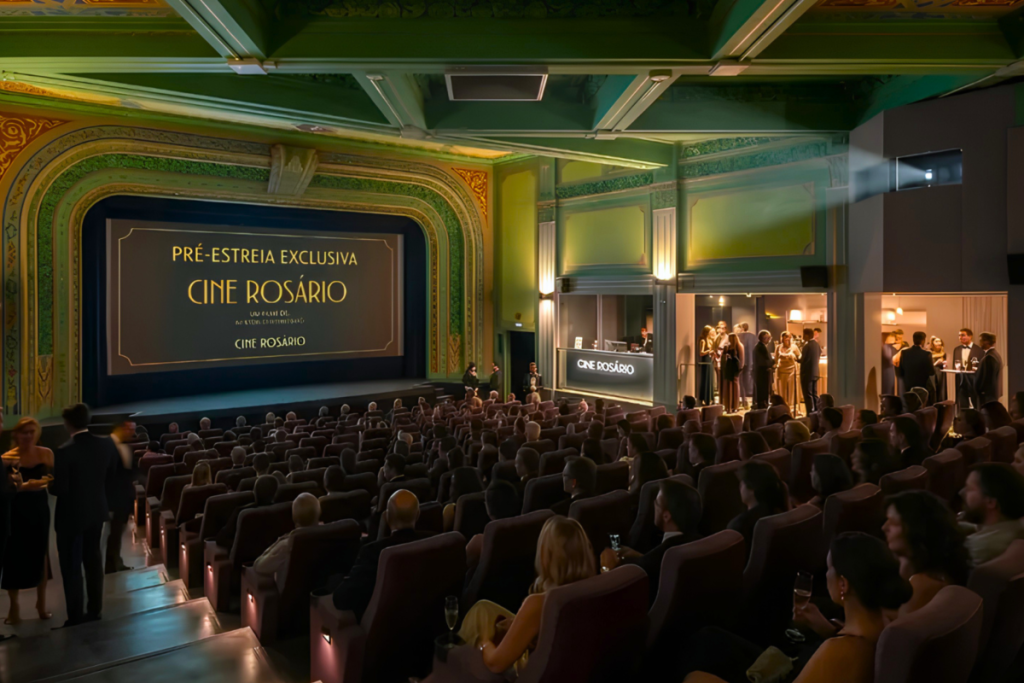

Have you ever imagined catching a movie in a theater built in 1929? Soon you’ll be able to! Inside the Martinelli Building, one of the city’s most iconic landmarks, Cine Rosário will reopen under the Tokyo Group, which has announced an investment of R$ 25 million and plans to reopen in 2028.
With the goal of reviving street-level cinema, the new reopening also aims to use the space in other ways, turning it into a stage for theatrical performances and other events.
The History of Cine Rosário
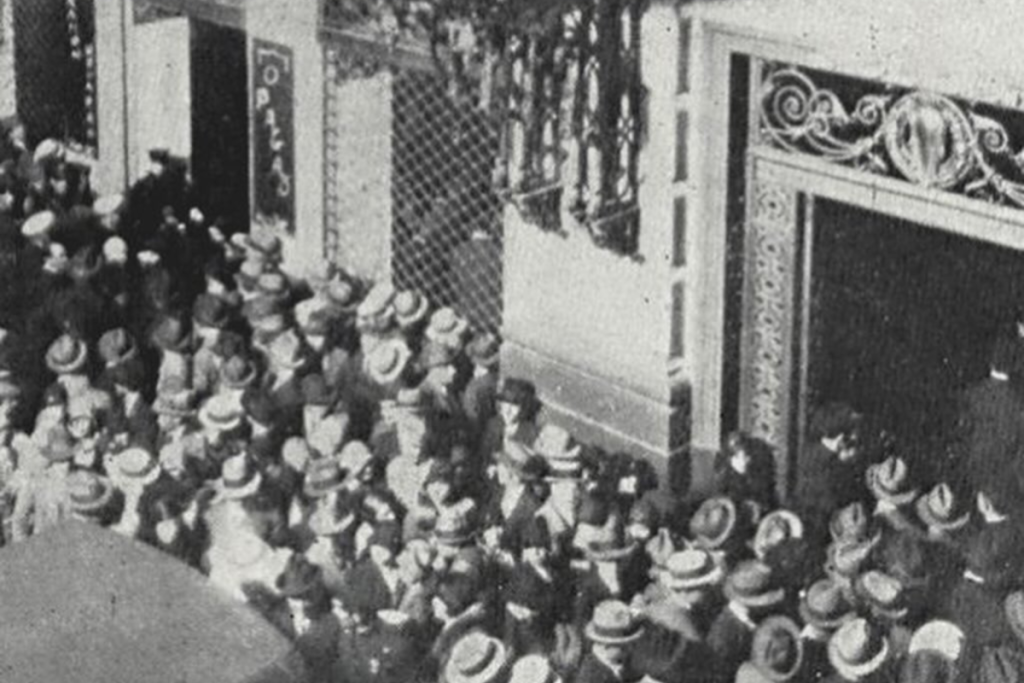
Established in the building in September 1929, the Cine Rosário’s design has been the subject of speculation among researchers, who attribute the work primarily to Ítalo Martinelli, the son of the project’s owner.
But anyone who thinks the movie theater was always part of the family’s plans is mistaken; on the contrary, Cine Rosário arose precisely from an unforeseen event. Construction work on the imposing building compromised the structures of the neighboring building, which until then had belonged to Stella Penteado da Silva Prado.
That was when Giuseppe Martinelli decided to purchase the property to demolish it and incorporate it into the Martinelli building. This expansion was named the “Bloco do Cinema.”
The movie theater had a capacity for about 1,000 spectators and stood out as a highly prestigious venue.
In fact, its grand opening on September 2 was attended by friends and family of the Martinelli group, as well as officials, business leaders, and members of the elite. The first film screened was *O Pagão* (*The Pagan*), starring Ramón Novarro. The following day, the cinema opened to the general public.
Its structure stood out as a luxurious space that strongly resembled a theater, featuring gold-leaf décor, Carrara marble accents, and Czech chandeliers.
Walt Disney’s Visit
In August 1941, during the premiere of the feature film *Fantasia*, Walt Disney visited Cine Rosário as part of his promotional tour for the film. Disney remained in Brazil for about three weeks, with a purpose that went far beyond a mere commercial venture.
Supported by the U.S. Office of the Coordinator of Inter-American Affairs (OCIAA), her trip to Brazil was part of the U.S. “Good Neighbor Policy, ” which sought to bring the United States closer to Latin American countries during World War II.
The Reopening Proposal
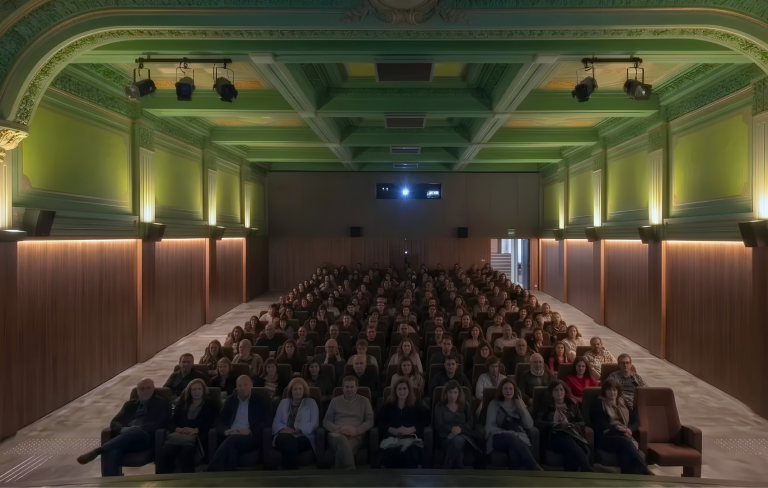
With no intention of affiliating with any movie theater chain, the reopening of Cine Rosário will feature its own curated programming, including new releases, special screenings, meet-and-greets with directors and artists, and screenings of classic films.
In addition, the new facility plans to host theater productions and become a cultural hub.
Although it is located in the same space as the Martinelli building, the current structure does not preserve what existed in the theater in 1929. Therefore, the restoration project designed by Fábio Floriano aims to combine historical elements with contemporary and modern solutions for acoustics, equipment, safety, and accessibility.
One of the features to be preserved is the ceiling murals, which were discovered beneath ceiling panels added at a later date.
The opening is scheduled for 2028, subject to change depending on the necessary approvals for the construction work. Although it has not disclosed specific figures, the organization confirms that the theater’s capacity will be smaller than in the past due to new accessibility standards.