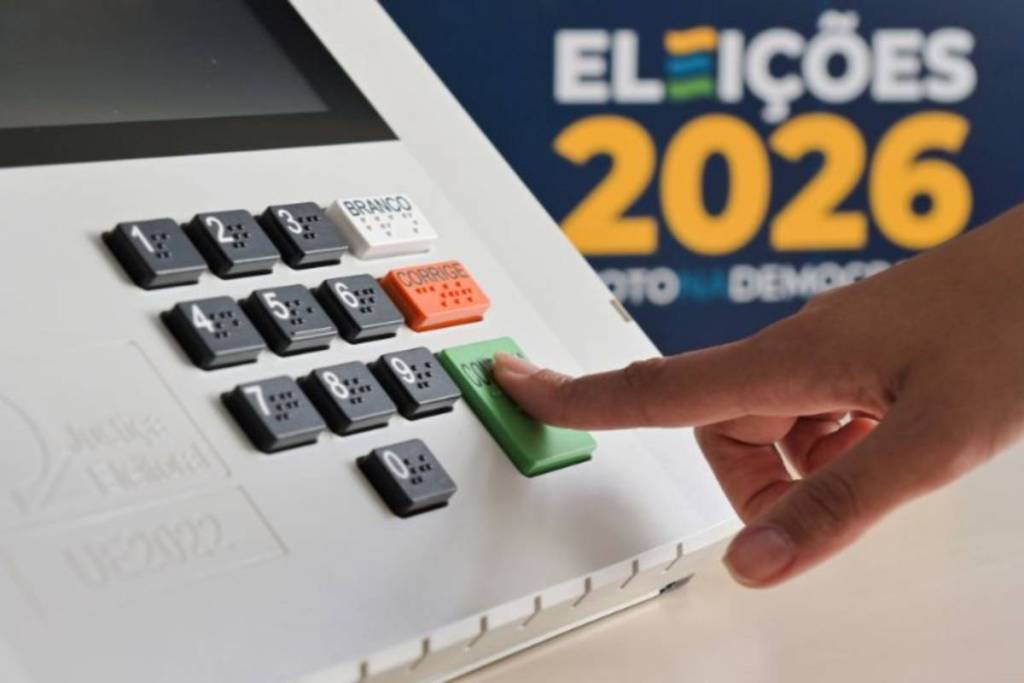

The 2026 general elections take place this Sunday, with a potential runoff on October 25, throughout Brazil. Here, we’ll tell you everything about the rules, laws, and your rights as you help decide the country’s future.
Polling hours are from 8 a.m. to 5 p.m., Brasília time. So plan ahead to avoid lines, arrive at the designated time, and exercise your right to vote.
Although it may seem obvious, it’s still important to keep this information in mind to help ensure the smooth organization of the election, the fulfillment of citizens’ duties, and the security of the democratic process.
The creation of the Electoral Code
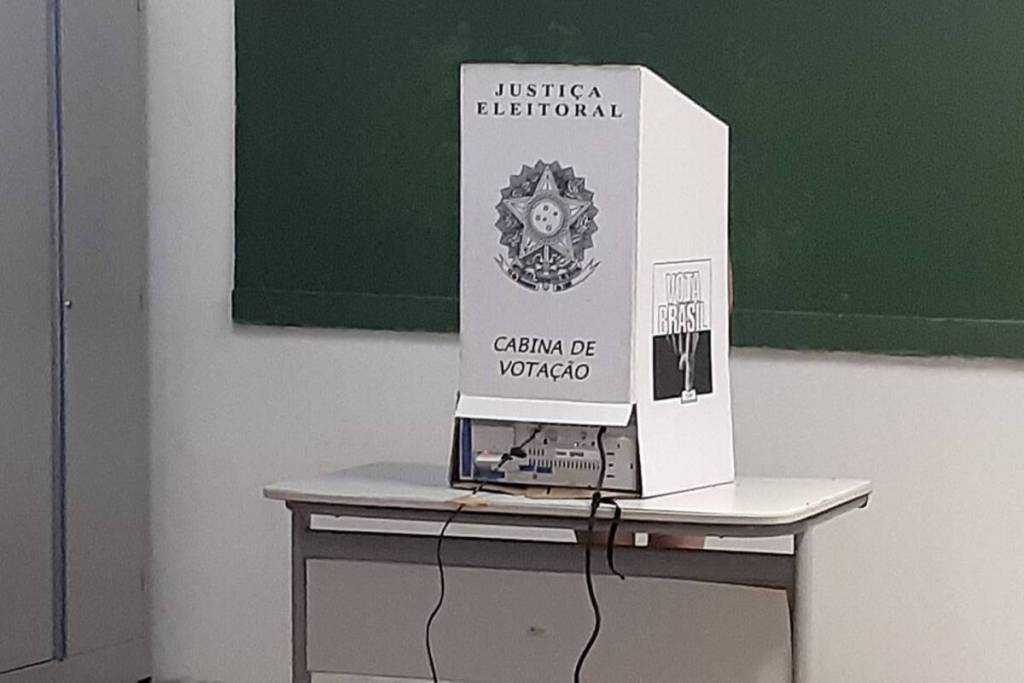
As a point of interest, it’s worth noting that the right to vote in Brazil has not always been exercised under equal conditions. The Electoral Code we know today was established in 1932 and marked a historic milestone by instituting secret balloting, women’s suffrage , and proportional representation throughout the country.
Even so, there were restrictions that Brazilians have only overcome over the decades. Compulsory voting is one of them—a relatively recent development in Brazil’s history—introduced by the Code of 1932, which established the obligation to register to vote and to cast a ballot.
Rights Guaranteed When Voting
In 1974, Law No. 6,091— known as the Etelvino Lins Law— was enacted to guarantee transportation to the polls for everyone. It mandated that public vehicles and watercraft be made available to the Electoral Court to transport voters from rural areas free of charge.
The same applies to other regions of Brazil, with free urban and intercity public transportation, trains, and the subway on Election Day, from 12:00 a.m. to 11:59 p.m., operating on a weekday schedule.
The same law prohibits candidates from providing private transportation for voters during the election period. This practice may constitute illegal solicitation of votes and is a crime.
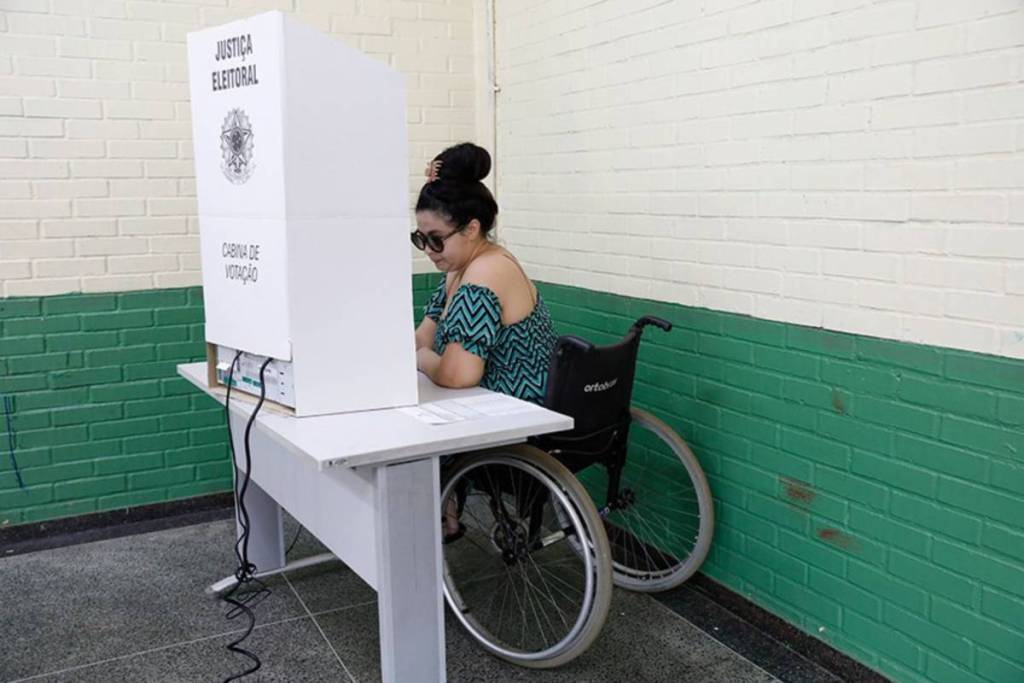
The São Paulo program “Seu Voto Importa” (Your Vote Matters ) offers free, individualized, accessible, and door-to-door transportation for people with disabilities or limited mobility. For the first round, the deadline to request this service was September 27; if there is a runoff, the deadline is October 5.
Even though it is considered a national holiday, businesses usually operate as usual on Election Day. However, employers must comply with labor laws and ensure that employees have the time and conditions necessary to vote.
In addition, election laws restrict the arrest of voters during the five days prior to and the 48 hours following the election.
However, this protection is not absolute. Arrests in the act remain permitted, as do detentions to serve a final sentence for a non-bailable offense and in cases of violation of electoral immunity.
The Rules for the 2026 Elections
Regarding the sale and consumption of alcoholic beverages on Election Day, contrary to common belief, there is no federal “electiondry law.” Therefore, states must set their own restrictions according to their rules. In São Paulo, however, there is no ban.
As in previous years, voters must present an official photo ID when voting. The e-Título with a photo is valid for those who have registered their biometric data. If a voter is unable to go to their registered polling place, they may cast an absentee ballot via the e-Título on the same day.
Another important point is the prohibition of cell phones, camera-equipped glasses, or any other device that takes photos or videos inside the voting booth. Citizens must have their right to a secret ballot guaranteed.
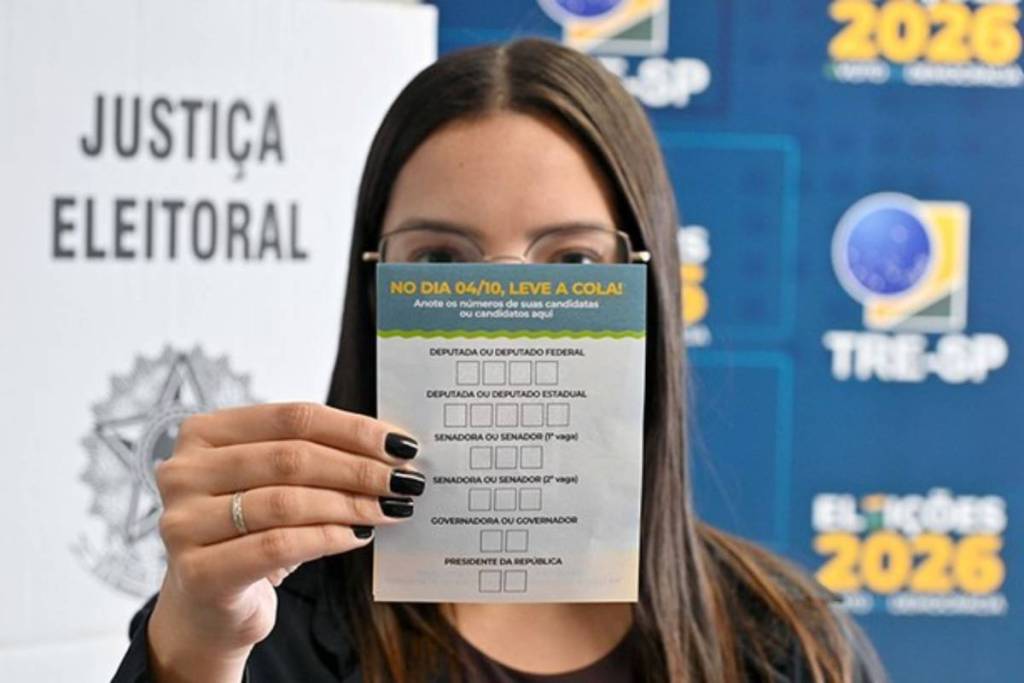
To make sure you don’t forget the numbers of the candidates for Federal and State Representative , Senator, Governor, and President, remember to prepare a cheat sheet to take with you when you go to vote!