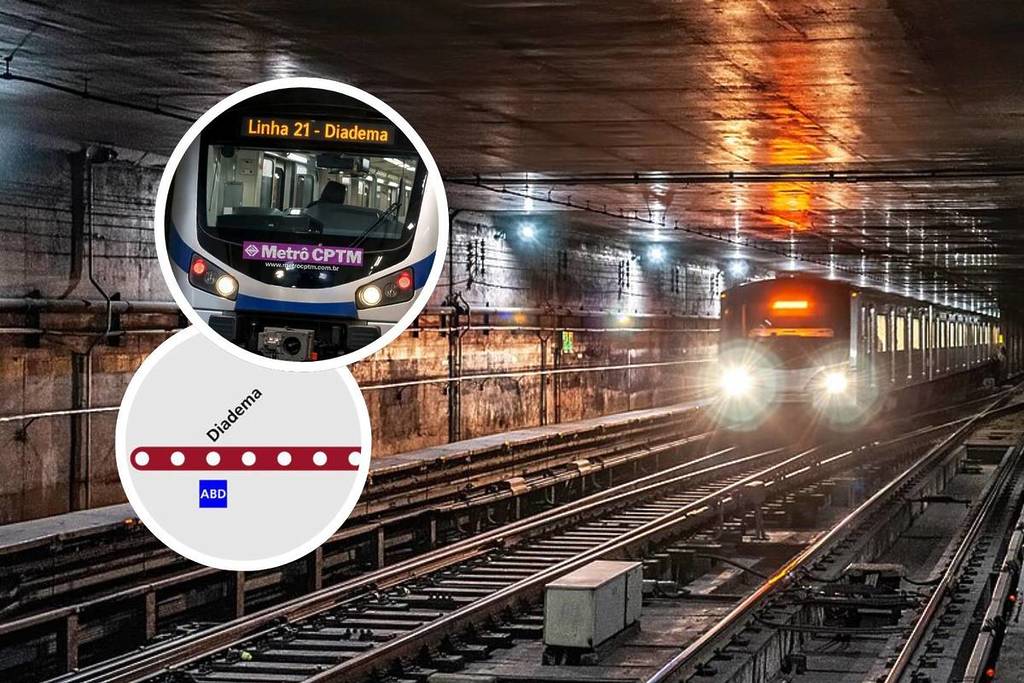

Still in the planning phase, Line 21 will aim to connect Diadema and the ABC region of São Paulo with the East Zone. It will also reduce traffic on the Centro-Sé radial corridor. Although the color has not been 100% finalized, media outlets are speculating on the colors Graphite or Wine.
With the initial phase dependent on licensing, there are still no estimates for when construction will begin. However, the idea for Line 21 has been around for years and began to attract media attention in late 2024. It was not until December 2025 that the Metro included the project in its official portfolio.
In May of this year, two bids were opened for the engineering preliminary design and to begin environmental studies (EIA-Rima). This marks the starting point for the technical study phase.
However, the State Government still treats information about the new line as preliminary. The route and other details are subject to change.
The location changes for Line 21
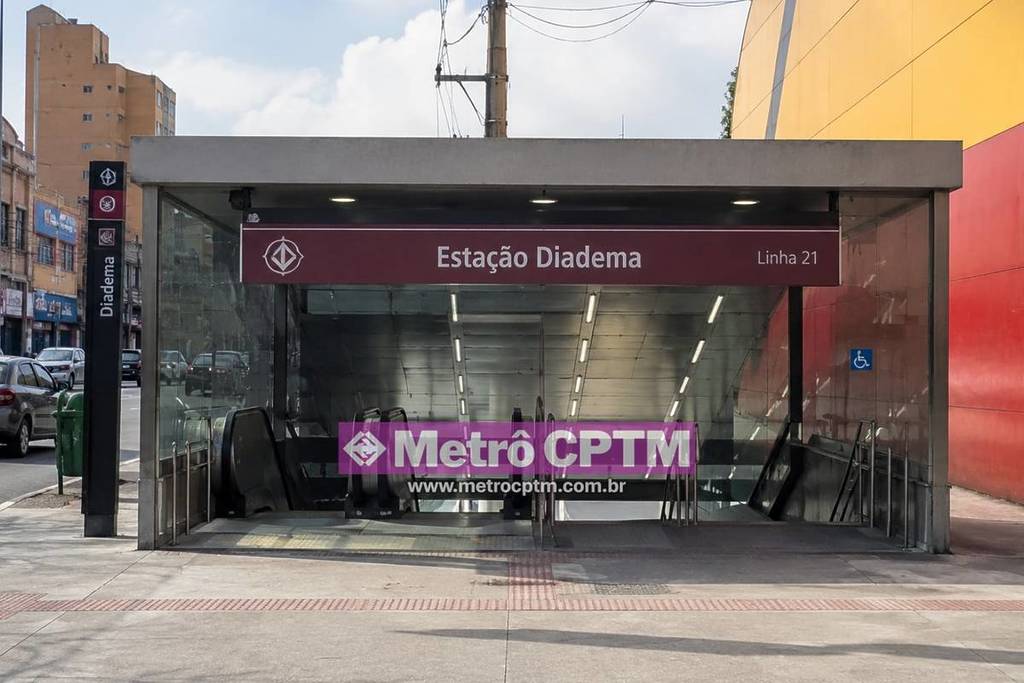
One of the changes already made was the route adjustment. Between 2010 and 2016, the line was considered to provide additional service to Celso Garcia Avenue. The plan was to connect Pari to Nordestina Avenue in the East Zone.
However, in the following years, the line lost priority and was shelved. It was only reconsidered in 2025, when the route resurfaced with a new plan: to connect Diadema to Parque do Carmo, in the East Zone.
In late 2025, the decision was finally made, and the new Line was finalized.
Due to a promise made by Tarcísio’s administration, the plan shifted to extending the subway to Diadema. This was especially true after the extensions of Lines 1-Blue and 17-Gold—which were intended to serve Diadema and a section of the East Zone—were scrapped.
With an estimated cost of around R$35 billion, Metro Line 21 will be 22 to 23 kilometers long and have up to 21 stations. The current completion date is set for 2037, but the outlook may change and there is a risk of delays.
Demand is projected to be around 700, 000 to 750,000 riders per day, based on preliminary studies. The main objective is to shorten the route between the ABC region and the East Zone, including reducing the number of transfers. Additionally, it aims to serve areas currently underserved by the heavy rail system.
Possible stations and connections along the new route
Diadema (Downtown): Integrate into the ABD Metropolitan Corridor
São Bernardo do Campo: Possible connection to the future Line 20-Rosa
ABC Region: Crossing CPTM’s Line 10-Turquoise
Southeast Zone: Area near Line 15-Prata, monorail
East Zone: Integration or proximity to Line 3-Red
Alternative maps also speculate on possible integrations with lines still under study, such as Lines 14 and 16, or future expansions of the network. It is worth noting that these are still only estimates.