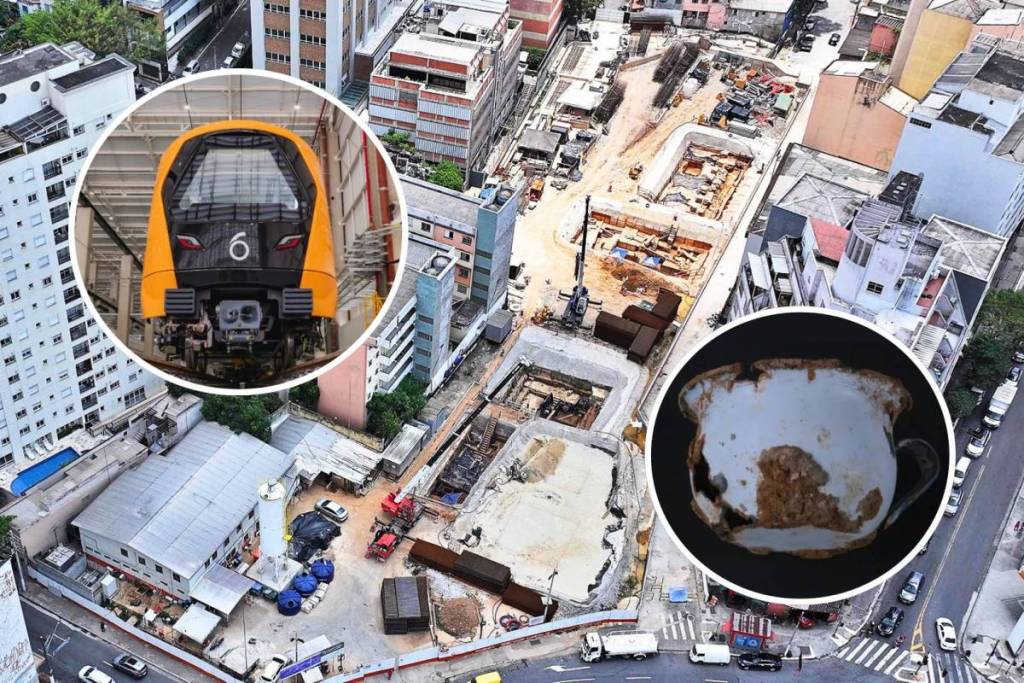

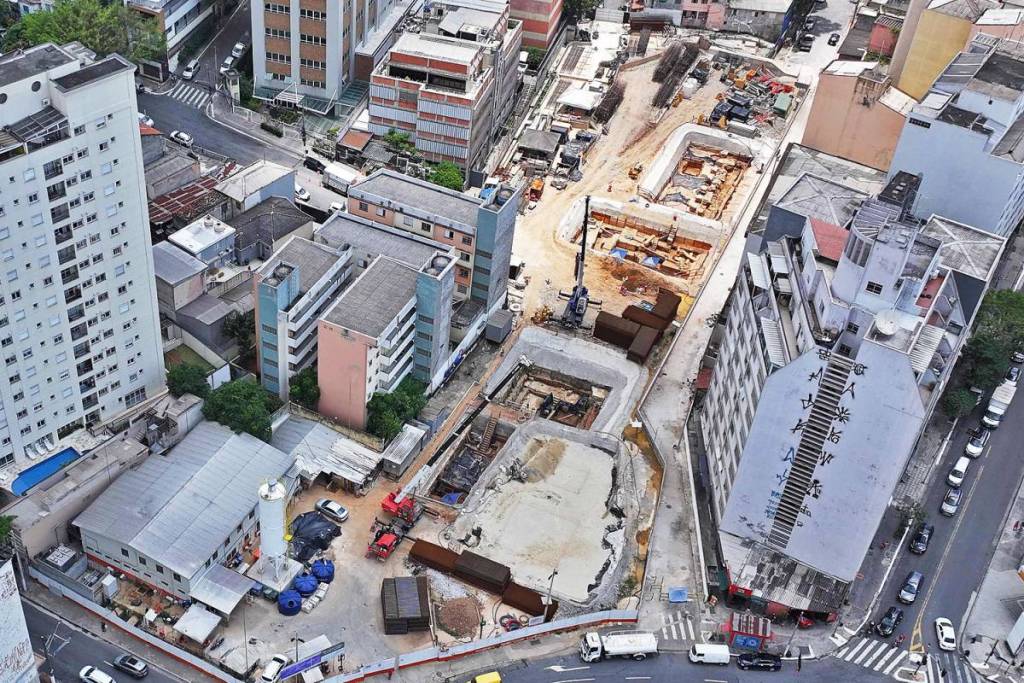
With the opening of the first section of Line 6-Orange, São Paulo residents are eagerly awaiting the announcement of the opening of the next stations. One of them is the 14 Bis-Saracura Station, which will finally bring the subway to Bixiga. Although there is still no scheduled opening date, the station is already proving to be a place where São Paulo’s history is being rediscovered.
This is because, during the excavations, a heritage site long buried beneath the asphalt came to the surface. As a result, engineers and workers had to slow down their machinery so that historic preservation agencies could examine the century-old remains hidden in the area.
Little Africa Beneath the Asphalt of Bixiga
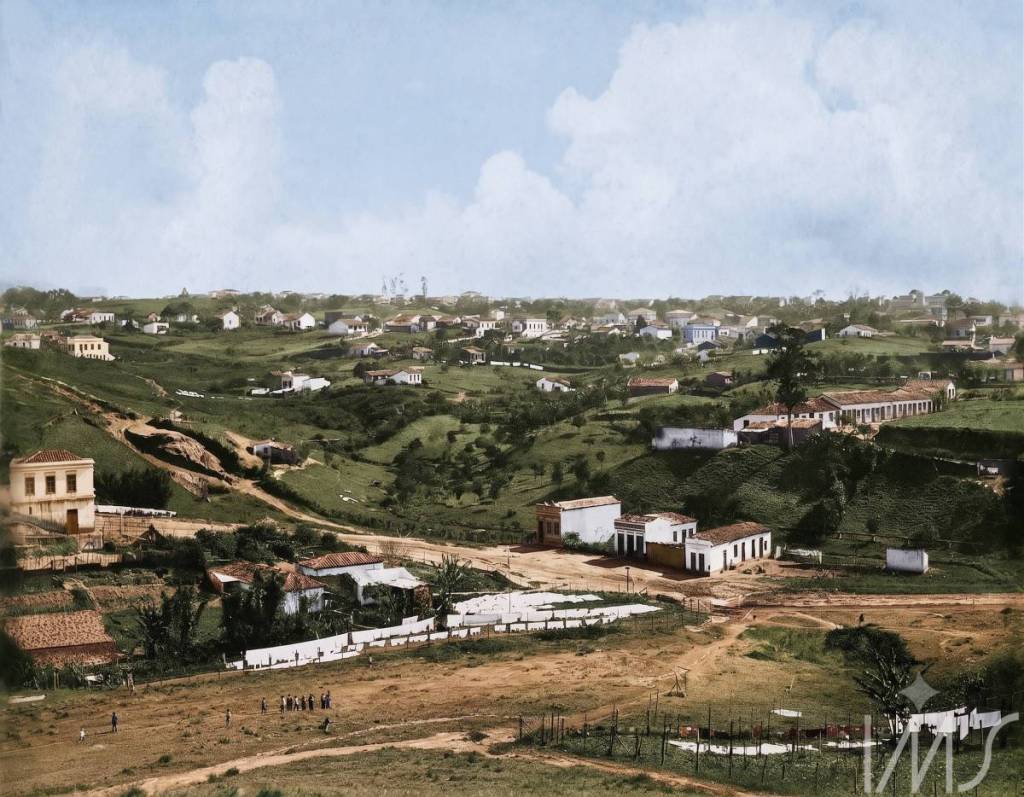
Before Italian restaurants came to dominate the landscape, the area that is now Bixiga was home to São Paulo’s Black population. The former Quilombo Saracura was founded in the 19th century on the banks of the stream of the same name —now channeled beneath Avenida 9 de Julho —whose dense vegetation served as an escape route for enslaved people.
Over time, the Black population lost ground to European immigrants. The neighborhood slowly transformed into a predominantly Italian area, resulting in few São Paulo residents being aware of their Afro-Brazilian origins.
The memories of former residents have been kept alive, above all, by the Vai-Vaisamba school. Founded in 1930, the carnival group began as a group of samba dancers in the area around the stream and, despite being largely forgotten by the metropolis, frequently featured the Quilombo Saracura in its carnival themes.
14 Bis-Saracura: the archaeological excavation and the station’s new identity
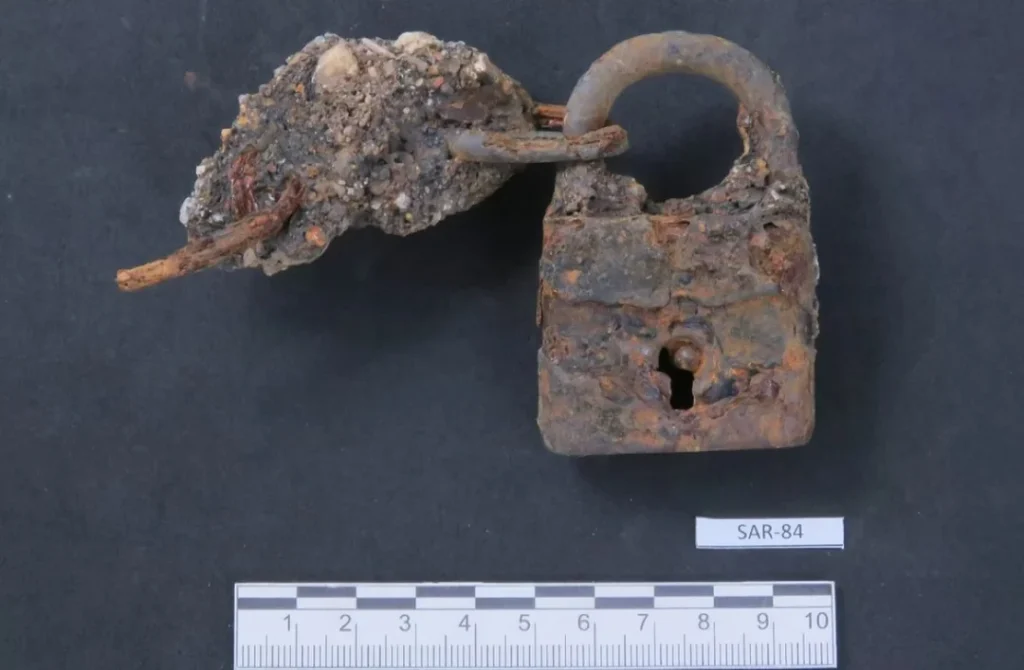
Bixiga’s Quilombo roots resurfaced with the construction of what was then known as Station 14 Bis on Line 6-Orange. During the initial excavation, workers found traces of Black settlement: more than 100,000 historical artifacts, including pottery, antique tableware, coins, necklaces, and clothing.
In light of the discovery in January 2023, the National Institute of Historic and Artistic Heritage (IPHAN) ordered a suspension of construction. As a result, archaeologists spent more than three years conducting archaeological excavations in the area until, in March 2026, the concessionaire Linha Uni received approval to resume construction.
Following a campaign by social movements, the Government of São Paulo approved changing the station’s official name to Estação 14 Bis-Saracura. In this way, the São Paulo metro will not only modernize transportation in Bixiga but also immortalize the Black presence that shaped the region’s origins.