

Christmas underwater? Find out what the forecasts are for the end of the year with the Super El Niño so you can plan accordingly. Official bulletins indicate that the phenomenon will intensify, potentially causing above-normal temperatures and a period of heavy rainfall in the Southeast.
The São Paulo state government is preparing for a potentially very heavy rainy season through the “SP Sempre Alerta – Operation El Niño 2026/2027” initiative. Due to the forecast of extreme events, there is a plan for enhanced preparedness from November through January.
At the federal level, the joint initiative “El Niño Panel 2026–2027” brings together agencies such as INPE, INMET, and CEMADEN to forecast and analyze the potential impacts of the phenomenon in Brazil.
Focused on the same goal, these initiatives have complementary roles.
While the panel gathers information and tracks the evolution of El Niño and its potential impacts on São Paulo, the São Paulo state government’s operation monitors forecasts, issues alerts to the public, and implements measures to prevent accidents and fatalities.
Forecasts for the end of the year
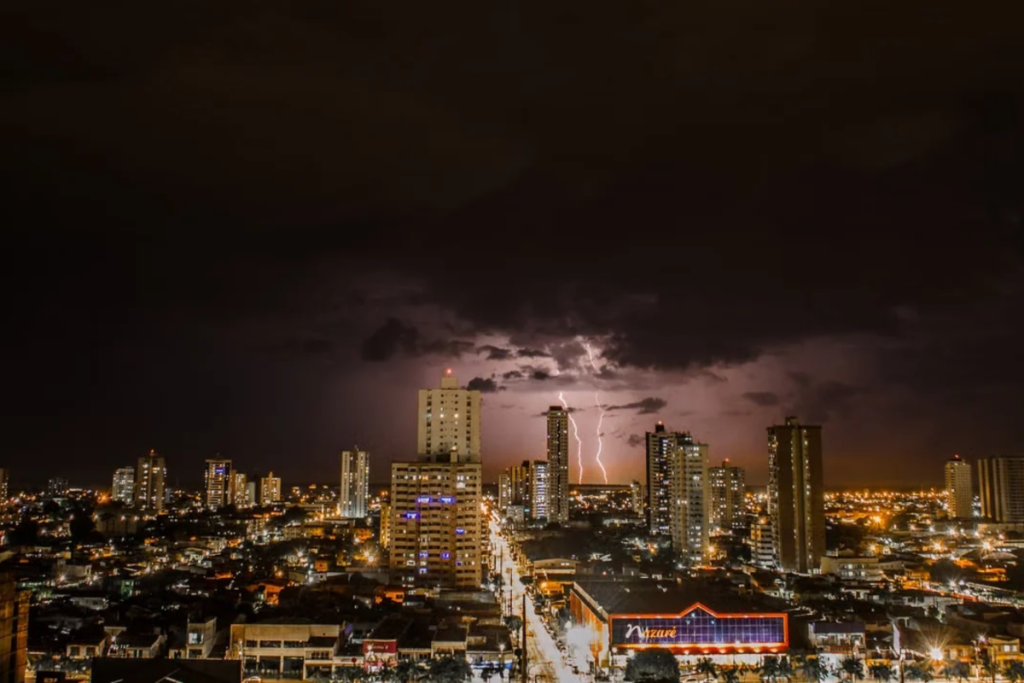
The El Niño 2026–2027 Panel, released on October 31 and updated on November 4, indicates a probability that the intensity will range from strong to very strong starting in November.
This is why the word “Super” has been added to the name “El Niño”: the term describes very intense episodes of the phenomenon. Forecasts indicate that it could reach even greater intensity, depending on how the Pacific warms over the coming days.
Above-average rainfall is forecast for the period from November 2026 to January 2027 in the South, parts of the Southeast, and the Midwest. Along with the rain, the forecast indicates high and above-normal temperatures.
Finally, the panel also notes that the intensity and location of these phenomena will depend on the evolution of oceanic and atmospheric conditions.
Preventive Measures in São Paulo

Based on this, the São Paulo City Government has announced the next steps, such as managing the reservoir portfolio, channeling streams, and expanding storm drains.
Since 2021, six reservoirs have been completed, with a combined capacity of 853,000 cubic meters; currently, ten more are under construction.
However, not all preventive projects will be completed by the New Year. Some projects are not expected to be finished until 2027, such as the reservoirs on the Paraguai/Éguas and Uberabinha streams.