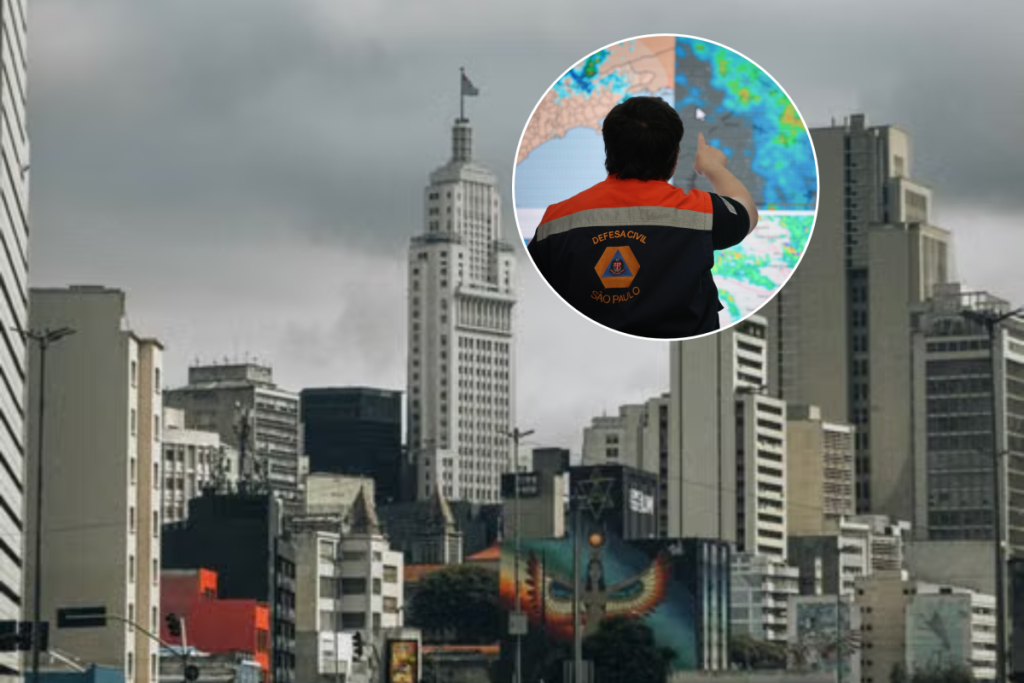

Titled “Operation SP Sempre Alerta,” the São Paulo government’s mobilization to address El Niño aims to prevent and respond to situations caused by the extreme weather events expected in 2026 and 2027.
Replacing and expanding the former Operation Summer Rains, Operation SP Sempre Alerta calls for measures to address climate changes resulting from El Niño, such as storms, floods, severe heat waves, droughts, and even wildfires.
Although we are under a climate alert for 2026, since 2023 the state—through the State Water Resources Fund (Fehidro)—has already allocated approximately R$ 1.19 billion to projects supporting municipalities in reducing risks and strengthening water and environmental infrastructure.
Overall, these funds have made 1,297 projects possible in 338 municipalities across São Paulo.
How the operation will work
The strategy operates in coordination with Civil Defense, bringing together municipal governments, essential service providers, and other state agencies.
This year, the plan is to focus the mobilization on other weather events as well, rather than just the summer rainy season, as was typically the case. The mobilization begins two months earlier than the operation launched in December 2025.
The plan for Operation SP Sempre Alerta
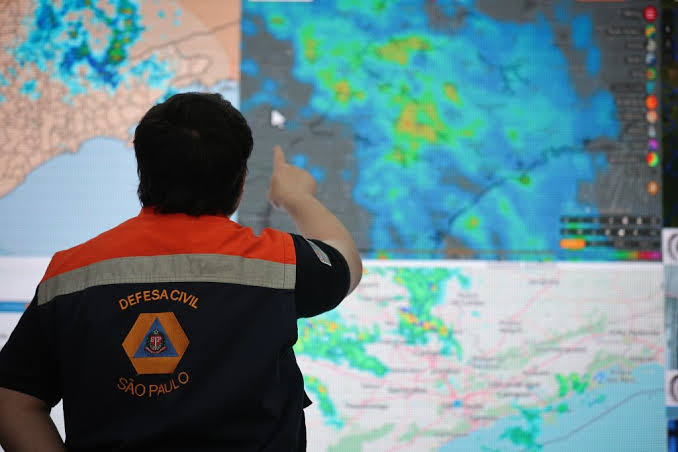
The plan calls for constant monitoring and the issuance of daily bulletins by the Civil Defense Emergency Management Center, including weather forecasts and risk classifications by region. These reports are sent to municipal civil defense agencies up to three days in advance, ensuring sufficient time to take preventive measures.
In fact, in the area of prevention, the SP Sempre Alerta Intelligence Dashboard will undergo updates to include new features and data integration from the Earth Networks system.
With more advanced technology, the tool will be able to track the movement of rainfall and estimate how long it will take for the rain to reach neighboring areas.
The plan also adopts regional classifications based on the severity of the scenario, the level of preparedness, and the necessary mobilization:
- Green: Observation
- Yellow: Alert
- Orange: Alert
- Red: Emergency
In addition, the well-known imminent risk alerts that the public receives via text message will remain active, while the Fire Department and the Military Police work together in extreme situations, such as flooding and the rescue of stranded individuals.
The response mobilizes ground teams, drones, and support from the Águia helicopter to survey high-risk areas and access remote locations.
Professional Training
Civil Defense has also invested in training municipal agents through December. Approximately 3,500 professionals from São Paulo’s 645 municipalities participated in training sessions focused on the following areas:
- Flooding, pre-hospital care, and frequent incidents during the rainy season;
- Emergency Operations Command System;
- Management of shelters and development of contingency plans;
- El Niño-related climate forecast;
- Public policies in abnormal situations.
Finally, in addition to technical training, professionals will receive so-called “Summer Kits,” consisting of raincoats, helmets, vests, PVC boots, tarps, gloves, and rain gauges.