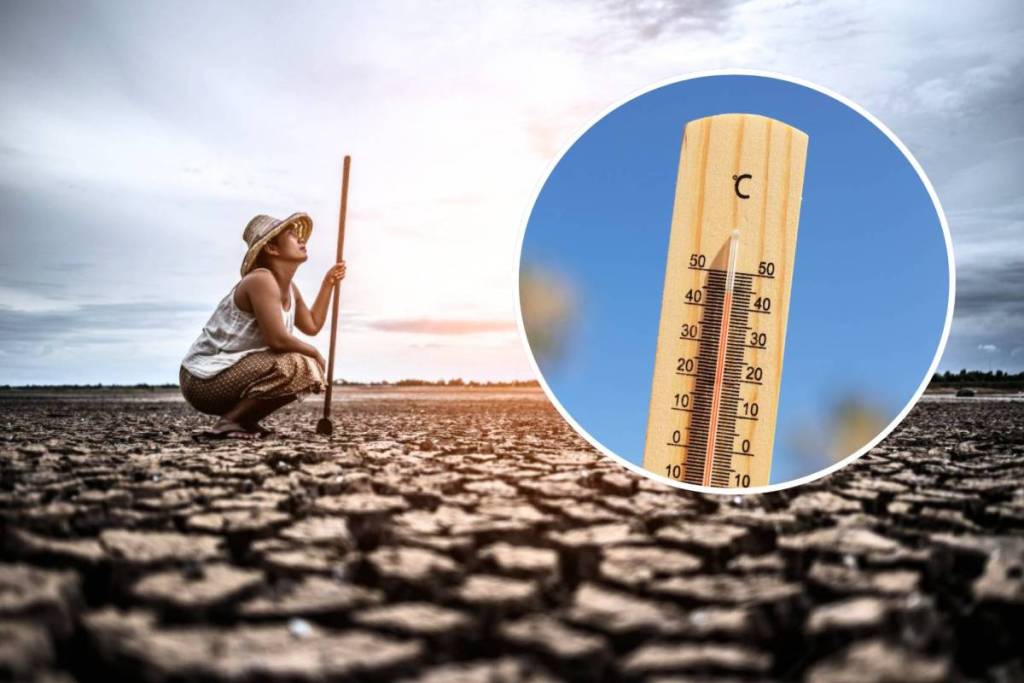

The news that El Niño may return in 2026 has put many Brazilians on alert. According to the National Institute for Space Research (INPE), the phenomenon is highly likely to return in the second half of this year, affecting several states—including São Paulo.
Since the announcement, news about a “super El Niño”—which is supposedly set to bring even more extreme impacts to Brazilians—has been circulating on social media. But don’t worry: INPE experts have already explained that it is not possible to predict the intensity of the phenomenon, should it occur. In other words, any claim about a “super El Niño” in 2026 is incorrect.
In the face of a natural event of such magnitude, a great deal of inaccurate information circulates online. That’s why we’re now providing a guide to address the most common questions about a possible El Niño this year, based on official sources.
1) What is El Niño?
It is a natural climate phenomenon caused by the abnormal warming of the waters of the Equatorial Pacific Ocean. The rise in temperature leads to changes in the atmosphere, which in turn cause shifts in wind patterns, climate, and rainfall in various parts of the world.
In Brazil, the consequences vary by region:
- South: Higher probability of above-average rainfall, which increases the chance of storms and flooding;
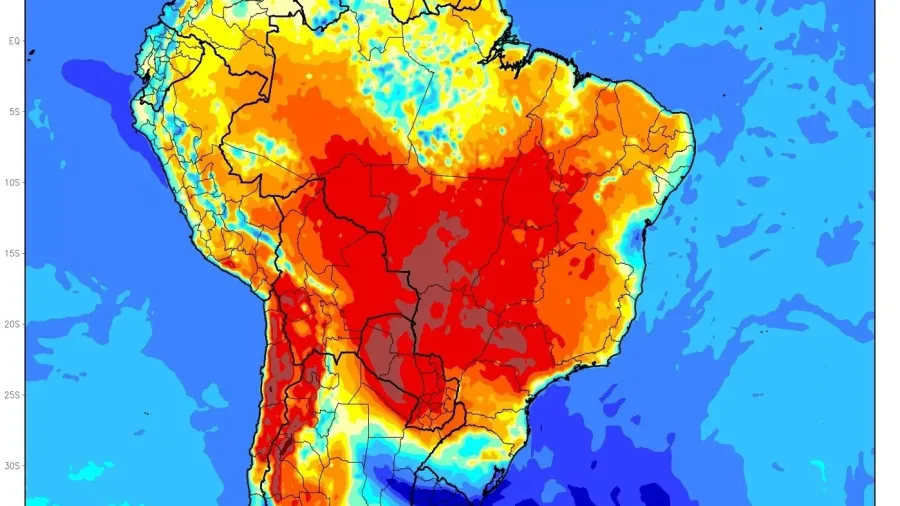
- North and Northeast: Rising temperatures and reduced rainfall, leading to a higher risk of droughts and wildfires;
- Southeast and Midwest: Rising temperatures and a higher likelihood of heat waves, with the possibility of reduced rainfall as well.
For this reason, during El Niño events, the state of São Paulo experiences higher temperatures and a drier climate than normal.
2) Is El Niño caused by global warming?
No. As a natural phenomenon, El Niño has been occurring for thousands of years, long before the emergence of humanity.
However, researchers estimate that global warming will make the phenomenon more frequent and intense, with more extreme consequences.

3) Will there be an El Niño in 2026?
The NOAA (U.S. National Oceanic and Atmospheric Administration) Forecast Center, which monitors the waters of the Equatorial Pacific, estimates there is a 95% chance that El Niño will return in the coming six months, lasting until early 2027.
In other words, the probability is high, but it cannot yet be stated with certainty. Nor is there a forecast for the strength of the potential phenomenon—whether it would be moderate or intense.
4) What should we do if El Niño occurs this year?
You already know that the phenomenon could bring drought and high temperatures to São Paulo. In this scenario, there is an increased likelihood of falling reservoir levels, crop damage, a higher risk of wildfires, worsening air quality, and a rise in respiratory illnesses.
To minimize the effects, the public can take the following precautions:
- Avoid wasting water;
- Avoid sun exposure, especially during peak hours (between 10 a.m. and 4 p.m.), and use sunscreen if you must go out;
- Drink water frequently, even if you’re not thirsty;
- Use humidifiers or place bowls of water with ice in front of a fan to cool the room (but remember not to leave standing water!);
- Do not set fires or build bonfires, and do not discard cigarette butts in inappropriate places, as they can cause fires that would further worsen air quality.
Remember to always keep an eye on people in at-risk groups (the elderly and children) and animals, who are more sensitive to the impacts.
Extra tips for preparing for the possible 2026 El Niño
#1: Send a text message with your ZIP code to 40199, the Civil Defense number. This way, you’ll receive official alerts from the agency whenever there are sudden changes in the weather or hazardous events in your city.
#2: “Survival” items for high temperatures—such as fans, air conditioners, humidifiers, and air purifiers—tend to become excessively expensive during heat waves. Therefore, consider purchasing them in advance to save money.
#3: Always seek information from reliable sources, such as INPE’s official social media accounts and transparent media outlets (like São Paulo Secreto!) that rely on these agencies. That way, you won’t run the risk of encountering fake or sensationalist news.