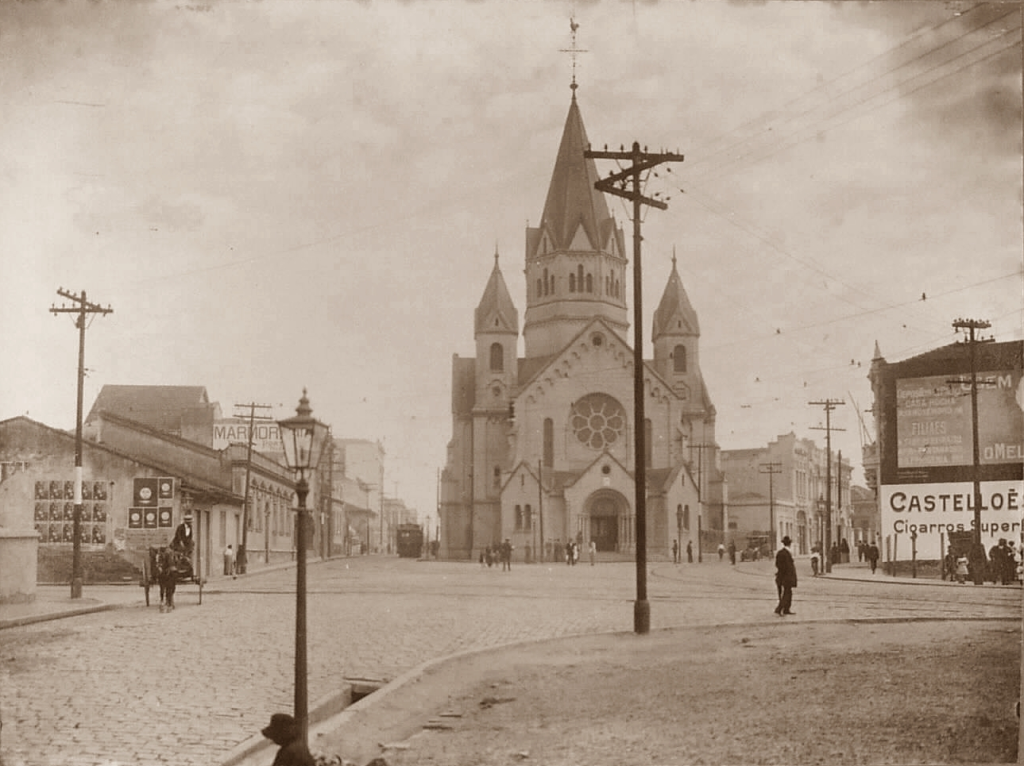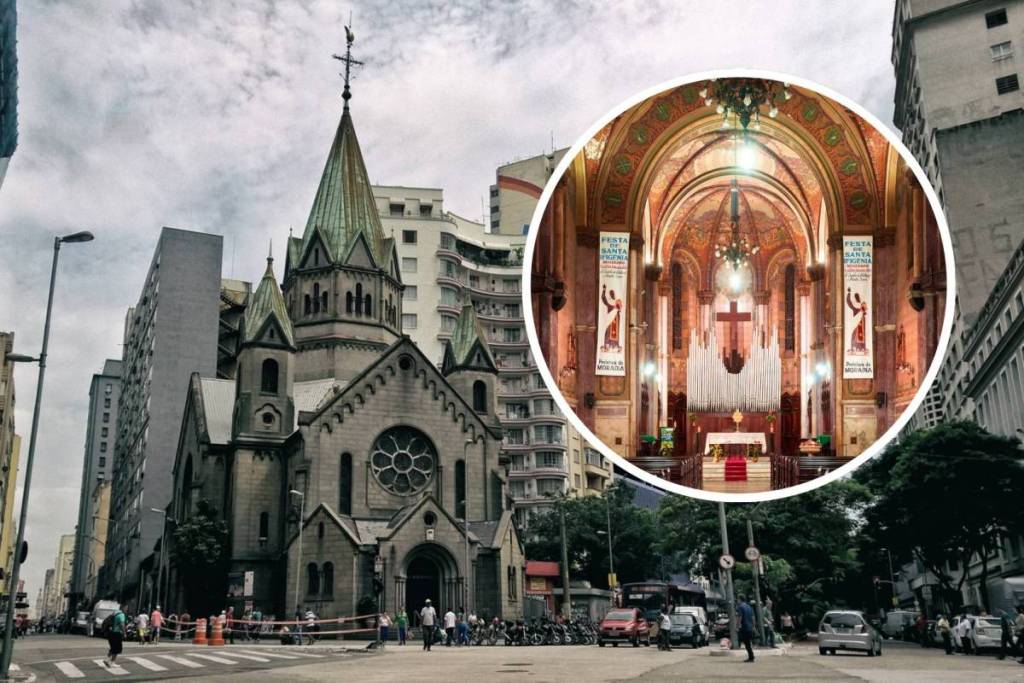

The Church of Saint Iphigenia is one of those spots in the Historic Center that holds far more surprises than we might imagine. Although it goes unnoticed today, the church once played a decisive role in São Paulo’s religious history: it was the Cathedral of São Paulo!
Officially known as the Basilica of Our Lady of the Conception and Saint Iphigenia and the Basilica of the Most Holy Sacrament, the church is located in the Vale do Anhangabaú region. Its Neo-Gothic architecture and European stained-glass windows stand out amid the concrete jungle, making it an icon largely overlooked by those who live in the metropolis. How about learning about its history?
Discover the history of the Church of Saint Iphigenia
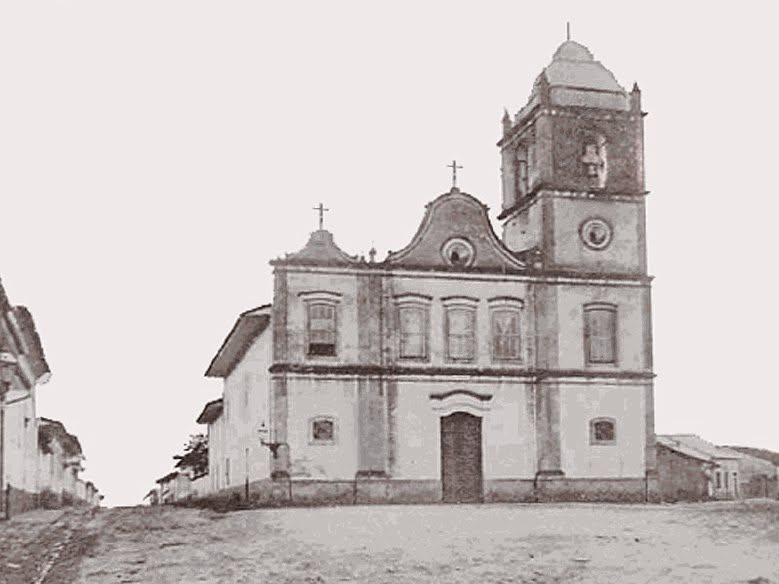
The basilica’s history begins long before the current building was constructed. In 1720, the Chapel of Our Lady of the Immaculate Conception—one of the oldest in São Paulo—was built on this site. As the population grew, the chapel underwent renovations and became the Parish of Our Lady of the Immaculate Conception and Saint Iphigenia in 1809, by order of Prince Regent Dom João VI.
In the following century, however, the parish church was demolished to make way for the building we see today. Construction began in 1904, based on a design by Austrian architect Johann Lorenz Madein. In place of the colonial chapel, a grand neo-Gothic temple was built, inspired by medieval European churches.
Later, in April 1958, Pope Pius XII elevated the church to the status of a basilica, granting it an additional title: Basilica of the Most Holy Sacrament.
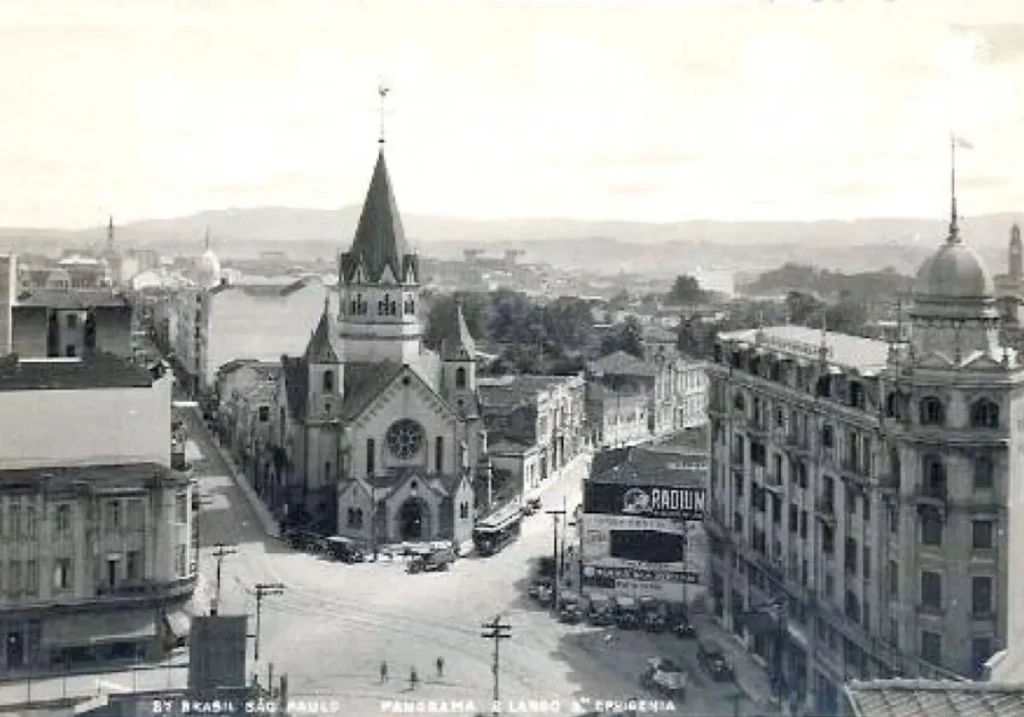
Why was this church once São Paulo’s cathedral?
Between 1930 and 1954, during the construction of the current Sé Cathedral, the Church of Saint Iphigenia served as São Paulo’s provisional cathedral. As a result, it hosted the archdiocese’s main celebrations and activities for 24 years, serving as a point of reference for the faithful of São Paulo.
Over the decades, the deterioration of downtown Rio has led to the church falling into obscurity. Despite its unique architecture and historical significance, the building now suffers from a lack of maintenance, theft, and disrepair. The parish receives donations from parishioners, companies, and organizations to fund its renovation, which is estimated to cost R$ 30 million.
Despite everything, the Church of Saint Iphigenia stands strong to this day amid the hustle and bustle of the Historic Center. Its doors are open daily to the faithful and visitors alike, who can experience up close this living testament to the history and urbanization of São Paulo.
📍 Largo de Santa Ifigênia, 30 – Historic Center