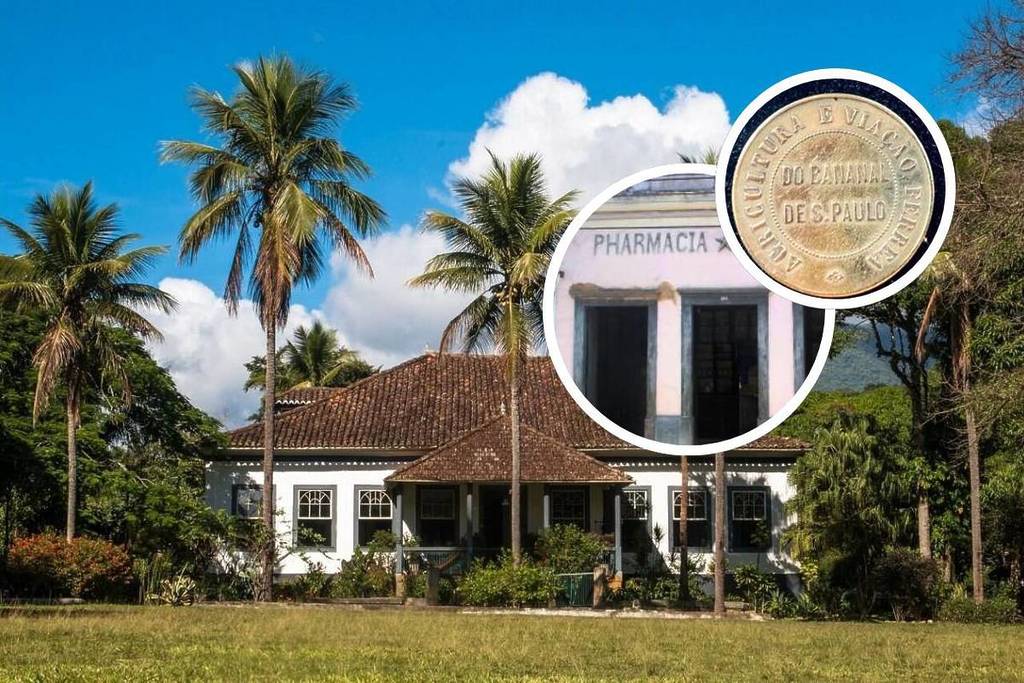

Anyone who says that time travel doesn’t exist is mistaken: Bananal, in the interior of São Paulo, transports us directly to the era of the Brazilian Empire! This charming city in the Paraíba Valley is an open-air museum, preserving the riches that the coffee cycle brought to the region.
During the visit, tourists can walk along cobblestone streets and come across magnificent 19th-century mansions, as well as rural landscapes that resemble classic soap opera settings.
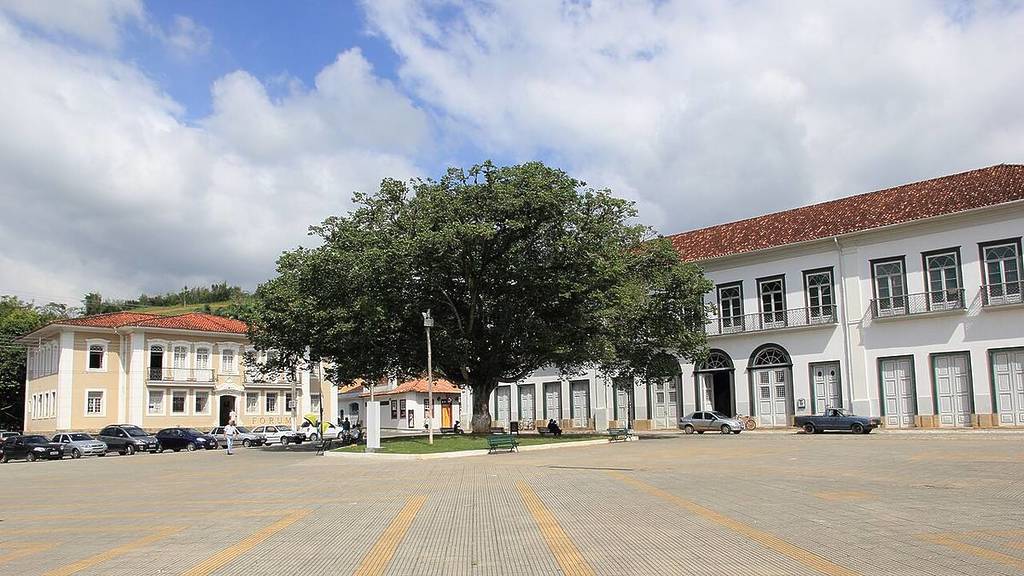
What to do in Bananal?
Tour of the Historic Center
If you don’t know what to do in Bananal yet, get ready: there are so many attractions that it will be difficult to choose your favorite! You can start by exploring the Historic Center, more precisely Praça Pedro Ramos. There, you will find the Iron Fountain from 1879, which used to supply the population, and a beautiful preserved bandstand. Right in front is the Senhor Bom Jesus do Livramento Mother Church, a rammed earth construction from 1811.
In addition, as you walk through the central region, you will find the Pharmacia Popular, which boasts the title of the oldest still in operation in the country. Opened in 1830 by the Frenchman Tourin Domingos Mosnier, it was initially called Pharmacia Imperial, but changed to its current name after the Proclamation of the Republic. Almost 200 years later, the facade, doors, and floor of the building remain original.
Farms you need to visit
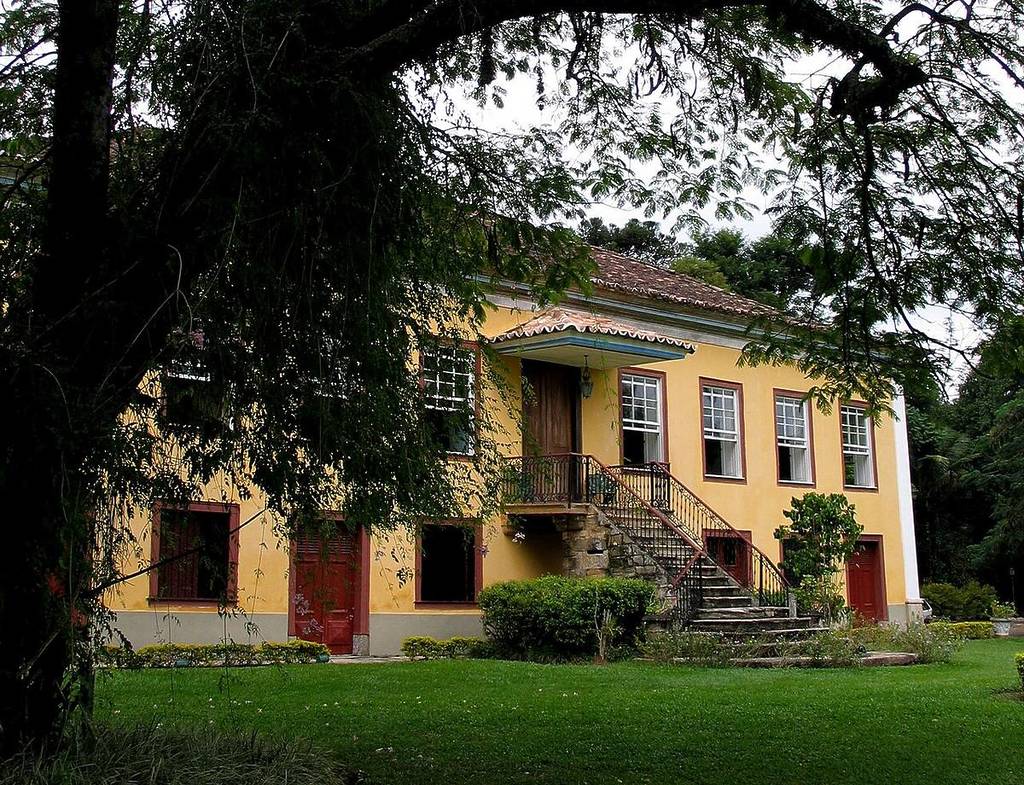
After exploring the Center, head to the countryside to visit the region’s historic farms. Some properties offer guided tours, such as the Loanda, Resgate, and dos Coqueiros farms.
Accompanied by specialized guides, visitors can explore the old coffee facilities. It is an opportunity to see up close the original furniture, utensils, and objects that belonged to the rural elite of the time.
Did you know that Bananal once had its own currency?
All this architectural heritage reflects the great financial power that the city achieved in the past. To give you an idea, Bananal was so rich that there was not enough national currency to cover the local flow of payments. For this reason, the coffee elite obtained authorization from the Empire to mint their own currency, which circulated even in businesses in Rio de Janeiro.
However, this economic power hid a cruel reality: the barons’ wealth depended on slave labor. Therefore , when Brazil signed the abolition of slavery, business began to get complicated. With the subsequent decline of coffee on the international market, the city went into decline and the luxuries became a thing of the past.
In any case, the century-old buildings keep the history of Bananal alive. They hold the memory of both the parties of the elite and the enslaved people, whose hard work elevated Bananal to one of the richestcities in the country.