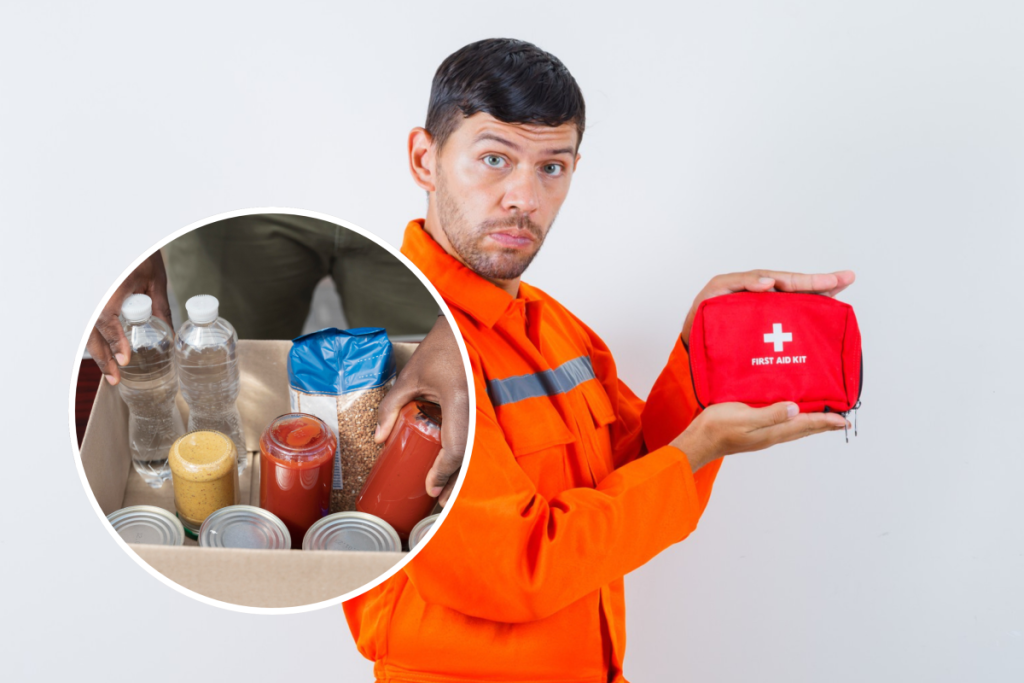

Last Friday, the 6th, the Civil Defense released guidelines on how to put together an emergency kit to ensure a family’s survival for up to 72 hours. The post quickly generated a huge response—and even unfounded warnings—on social media.
Many internet users questioned the real reasons behind the warning. People wanted to know if there was an imminent disaster—such as those exacerbated by heavy rains or the El Niño phenomenon—for which they should urgently prepare.
But the Civil Defense says: there’s no need to panic. According to the agency, the guidance is merely a preventive measure to raise awareness so that the public knows how to ensure their safety in the short term. Check out the details below and learn how to put together your kit for (possible, but not likely) emergencies.
Why did the Civil Defense recommend keeping an emergency kit at home?
On November 6, the Civil Defense’s national Instagram profile posted a carousel with instructions on how to put together an emergency kit for large-scale disasters. The recommendation is to stock up on drinking water, non-perishable food, and medications for ongoing use, as well as hygiene products and a flashlight.
The post explains that the kit can protect families in the event of service disruptions (such as water shortages, prolonged power outages, and road blockages) until help arrives. Furthermore, it states that “having an emergency kit (…) is a preparedness measure adopted in various countries.”
Even so, the online uproar was so great that the agency had to issue a second official post on its Instagram. In this new statement, officials clarified that the recommendation is a routine measure and that there are no disaster threats on Brazil’s radar. Therefore, the alert serves solely to promote a culture of self-protection.
Authorities also point out that many countries frequently recommend that their citizens keep supplies stocked for at least 72 hours, treating home preparedness as a standard practice for public safety.
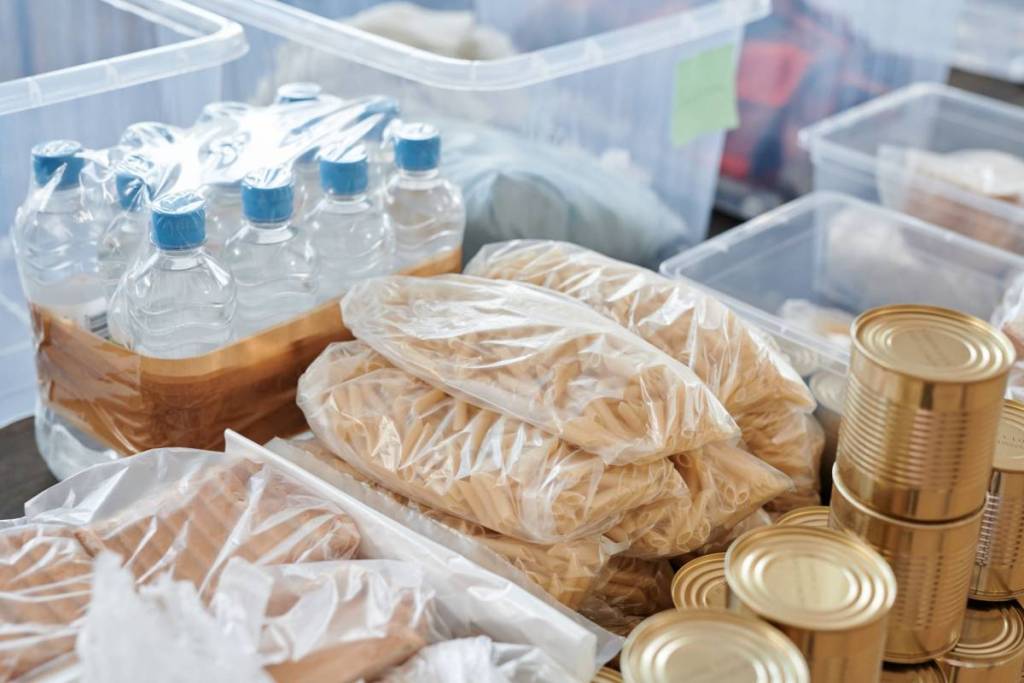
A wave of international warnings continues to spark questions online
Despite the explanation, internet users are questioning why other countries have recently published the same recommendation. According to authorities, this coincidence of social media posts does not indicate a “secret crisis” underway. In fact, governments in Europe and other regions frequently publish their self-protection manuals to educate the public.
On the other hand, the climate anomalies caused by El Niño 2026 are driving a global increase in isolated natural disasters, such as floods. This scenario is motivating governments to intensify their public awareness campaigns. The goal is to ensure that the population knows how to act independently in extreme situations, when services are suspended and rescue teams have difficulty accessing affected areas.