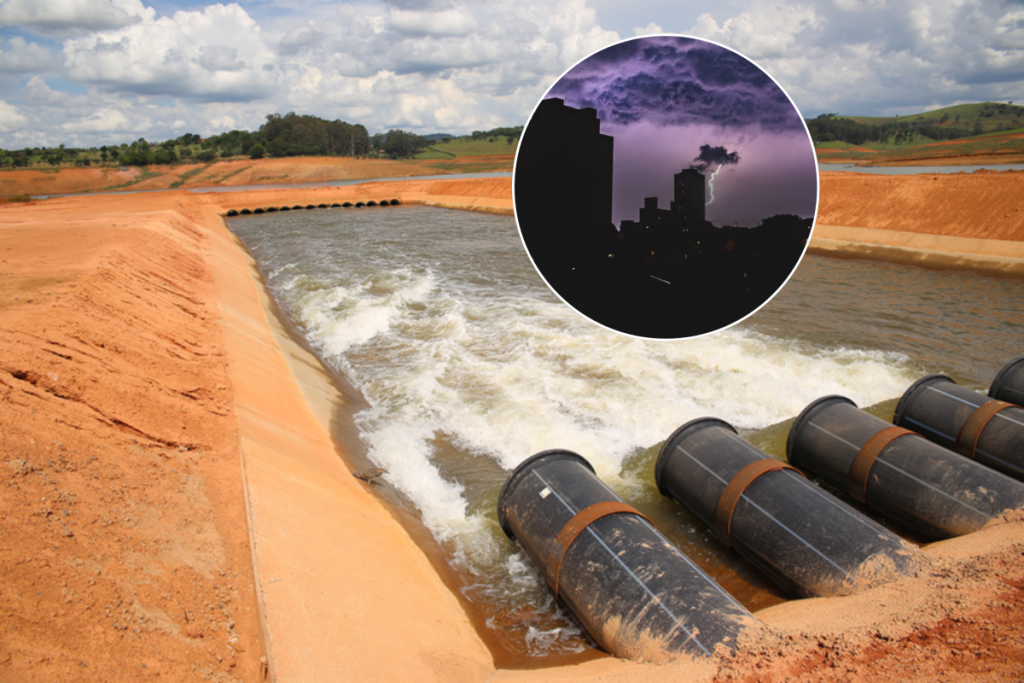

The year is already coming to an end, and since July 2026, the consequences and forecasts of the peak of El Niño have already begun to be felt throughout Brazil.
In São Paulo, the unpredictability of weather conditions—bringing extreme heat and erratic rainfall—has brought to the forefront a long-standing concern among the people of São Paulo: the restoration of the Cantareira system.
The logic is quite simple: if the number of hot days increases, water consumption also rises. Consequently, there is a risk of increased evaporation from reservoirs and the soil. Even if rainfall is irregular in the coming months, the volume may not be sufficient to replenish the water level effectively.
Furthermore, summer downpours—even when intense—can vary greatly from region to region, with heavy rain in one place and very little in another. On the other hand, the situation becomes more complicated if rainy days are followed by long dry spells.
This pattern occurred between 2025 and 2026, when high-pressure systems made it difficult for areas of atmospheric instability to persist. This prevented the widespread rainy spells that were needed to replenish the reservoirs at the time.
How might El Niño affect the water system?

In April 2026, meteorologists were already expressing concern about the heat and the return of the rainy season linked to the El Niño phenomenon. More recently, in September, Climatempo began describing the effects as very strong and predicting they would intensify in October.
Although forecasts pointed to above-average rainfall across much of the Southeast—such as in the São Paulo region and the South—the warning that has been raised is also related to heat waves.
In recent forecasts for the month of October, Climatempo noted that the Antarctic Oscillation was influencing the weather, favoring the passage of cold fronts at the beginning of the month.
This shows that, despite having a significant influence on weather conditions, El Niño alone does not determine rainfall on a daily or weekly scale.
Fluctuations in the Cantareira system
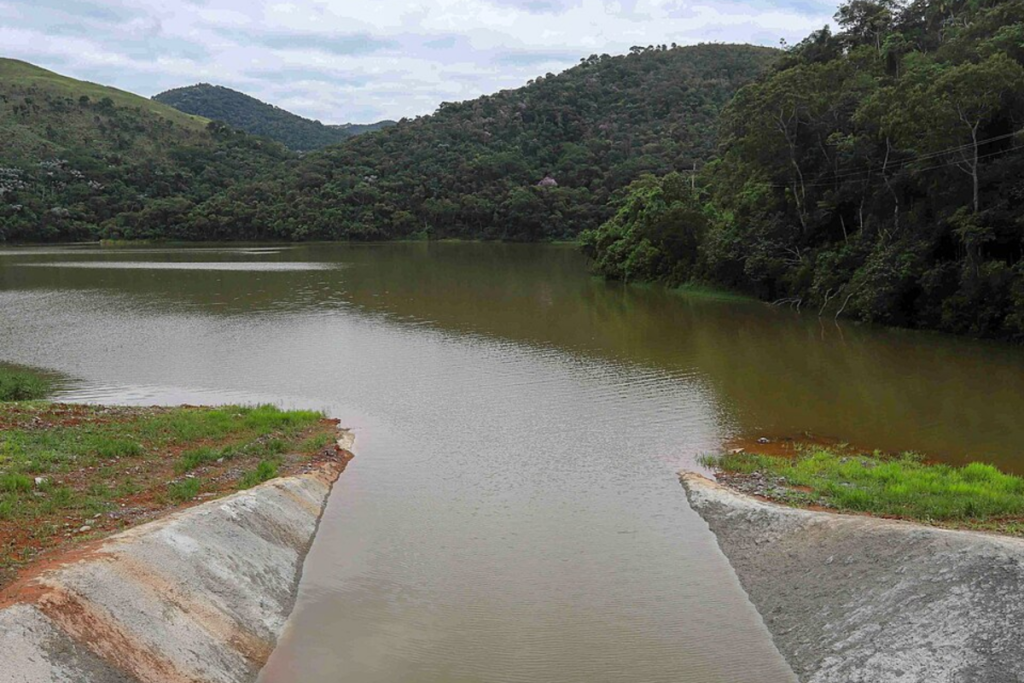
In March 2026, the system’s water level stood at 42.7%, ending the summer at its lowest level in ten years due to a drier period.
The result, however, came as no surprise. According to records, storage levels had already been low during the previous two summers. And although it was not considered an immediate problem, there was still a lack of a safety reserve.
In recent months, however, there has been a decline followed by a recovery. According to Cemaden, August ended with approximately 33% of the usable volume. September, meanwhile, ended with about 41%, with rainfall amounting to 342% of the reservoir’s historical average.
The increase recorded was approximately 8 percentage points for the month.
In October, according to Sabesp, the Cantareira system recorded 44.4% of its usable volume on the 15th, after reaching 44.3%—its highest level in 15 months. The recovery, however, may not be sustainable until March 2027.
The October 2 Cemaden bulletin warned that below-average rainfall from January through March 2027 could once again reduce inflow rates and storage levels.
The forecasts, however, are conditional. Therefore, this does not mean that it will lead to a new crisis, only that the recovery trajectory may lose momentum or reverse in the future.