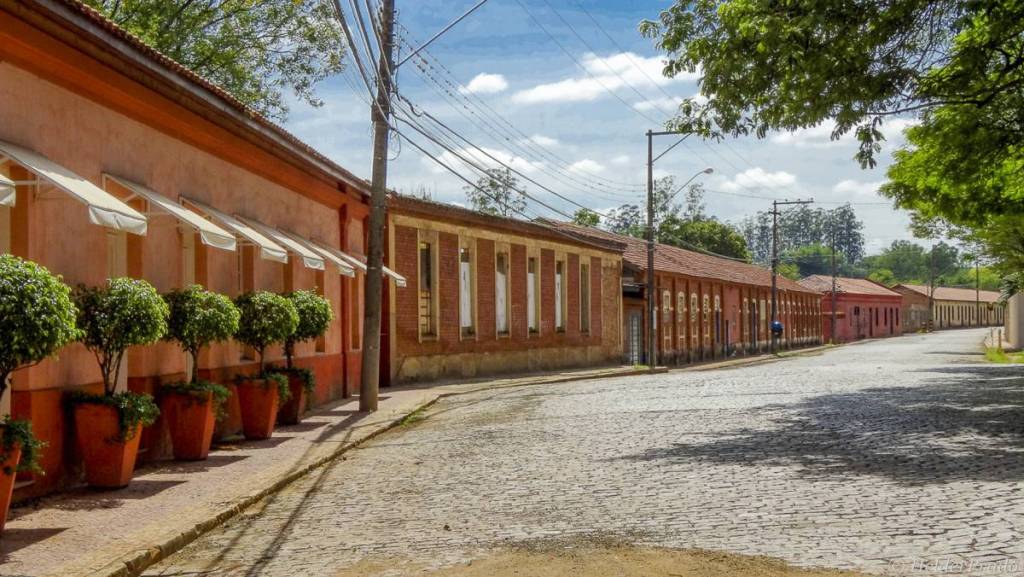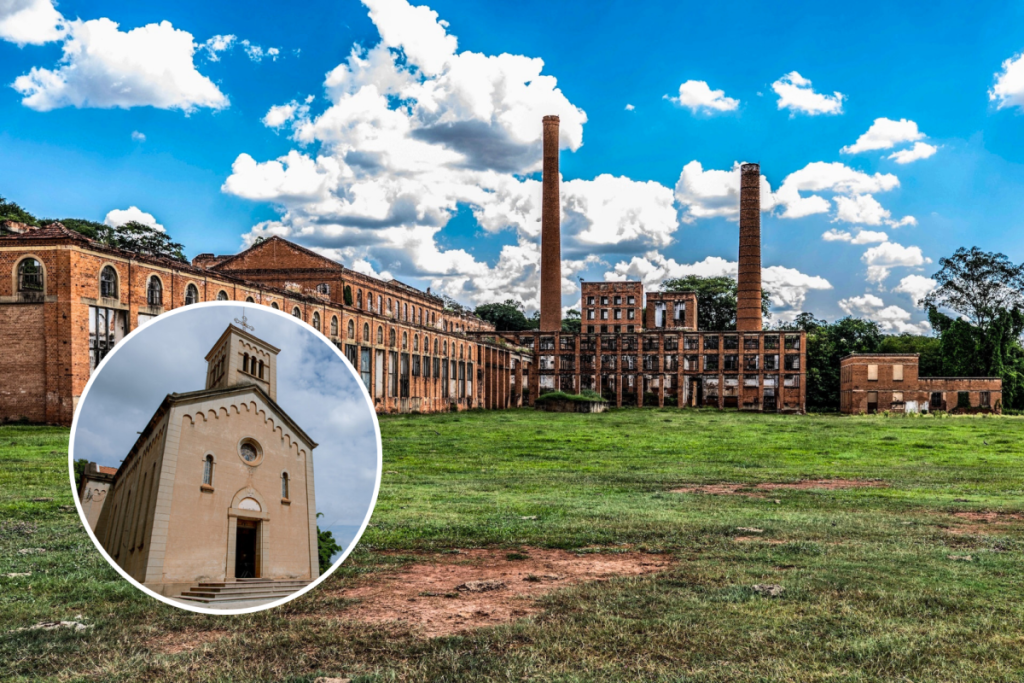

Vila Monte Alegre, in Piracicaba, is one of the best destinations for exploring the city’s historical and sentimental side. Amid old buildings, tree-lined streets, and picturesque landscapes, the neighborhood retains traces of its origins to this day, taking visitors on a journey back in time.
Located 155 kilometers from the capital of São Paulo, this rural village invites you to take a leisurely stroll, admire the architecture, and understand how the legacy of the working class remains alive in the state of São Paulo to this day.
Discover the history of Vila Monte Alegre
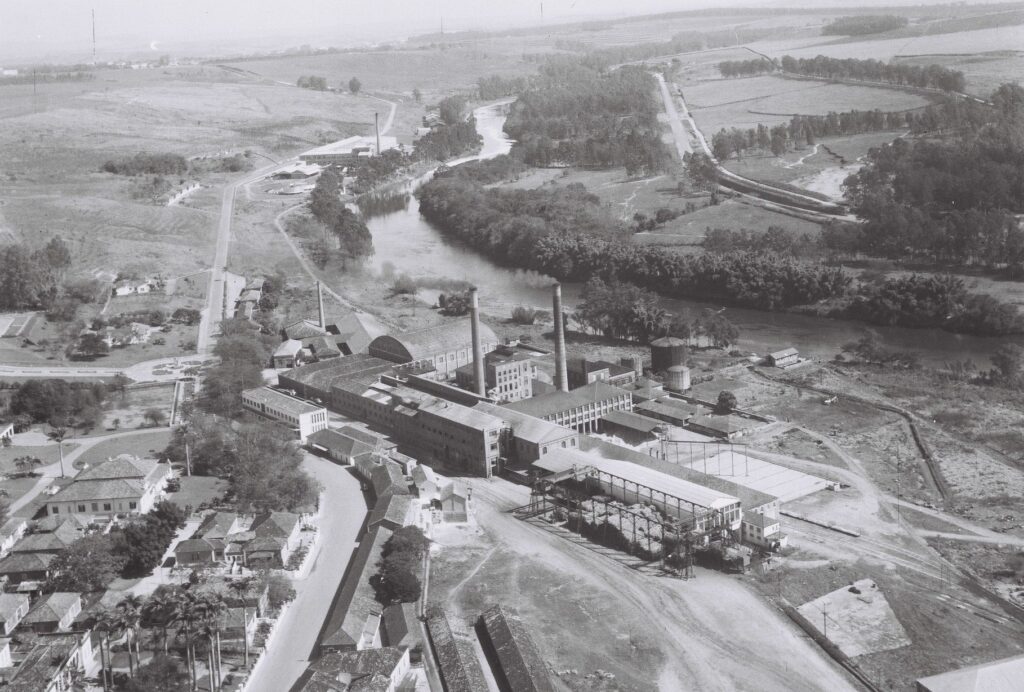
The history of the neighborhood begins in the 19th century, when Italian immigrants arrived in the region to work at the sugarcane mill. The former Monte Alegre Farm soon became an important agro-industrial complex, at a time when sugar played a central role in the region’s economy.
In 1910, the Italian Pedro Morganti purchased the mill, and built a settlement to house the workers and their families. The complex was located on the banks of the Piracicaba River and housed more than just housing: it had a pharmacy, a school, a soccer club, a library, and even a movie theater!
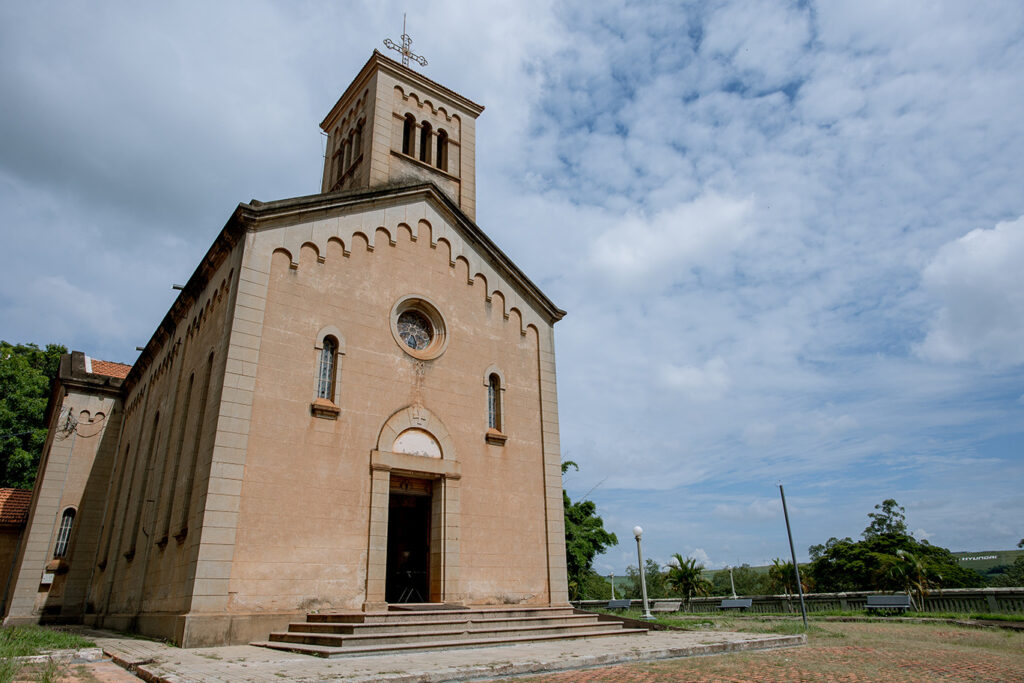
At its peak, Vila Monte Alegre was home to approximately 1,700 residents. Its most iconic landmark was the São Pedro de Monte Alegre Chapel, built in 1930 and inspired by the Bozzano Church—a tribute to the memory of Italian immigrants.
Why visit this village in the interior of São Paulo?
Visiting Monte Alegre is an opportunity to see Piracicaba from a different perspective. Instead of the rush of daily life, there you can take in the city’s details and learn about the Italian heritage that shaped it.
The neighborhood features squares, century-old buildings, and the ruins of the Monte Alegre Power Plant, all of which help tell the area’s story. The best way to explore it is on foot, taking the time to wander the streets and admire the facades of the workers’ homes.
Our recommendation is to start your tour at the São Pedro de Monte Alegre Chapel, then head to the Pedro Morganti Mansion, the historic surroundings of Antonio Keller Square, and then on to Vila do Comércio and Vila Heloísa. Finally, it’s worth visiting the ruins of the old mill, which preserve the region’s working-class heritage.