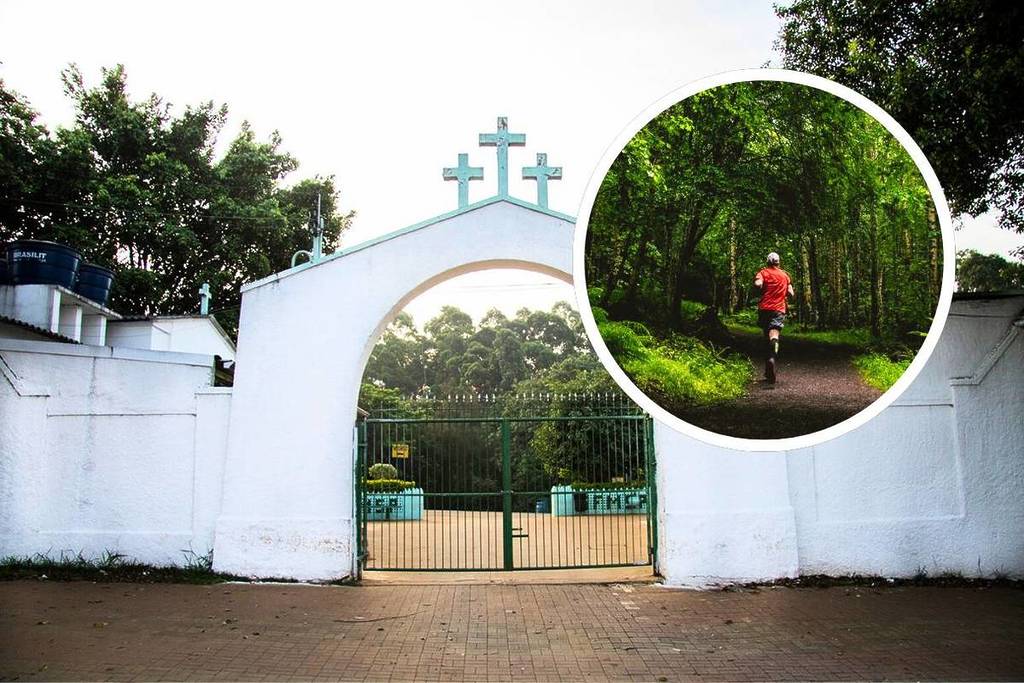
Vila Formosa Cemetery is the largest in Latin America, with an impressive 763,000 square meters in the East Zone of São Paulo. With 76 years of history, it has become one of the city’s most important burial sites and is notable for its park-like characteristics, which are different from traditional cemeteries.
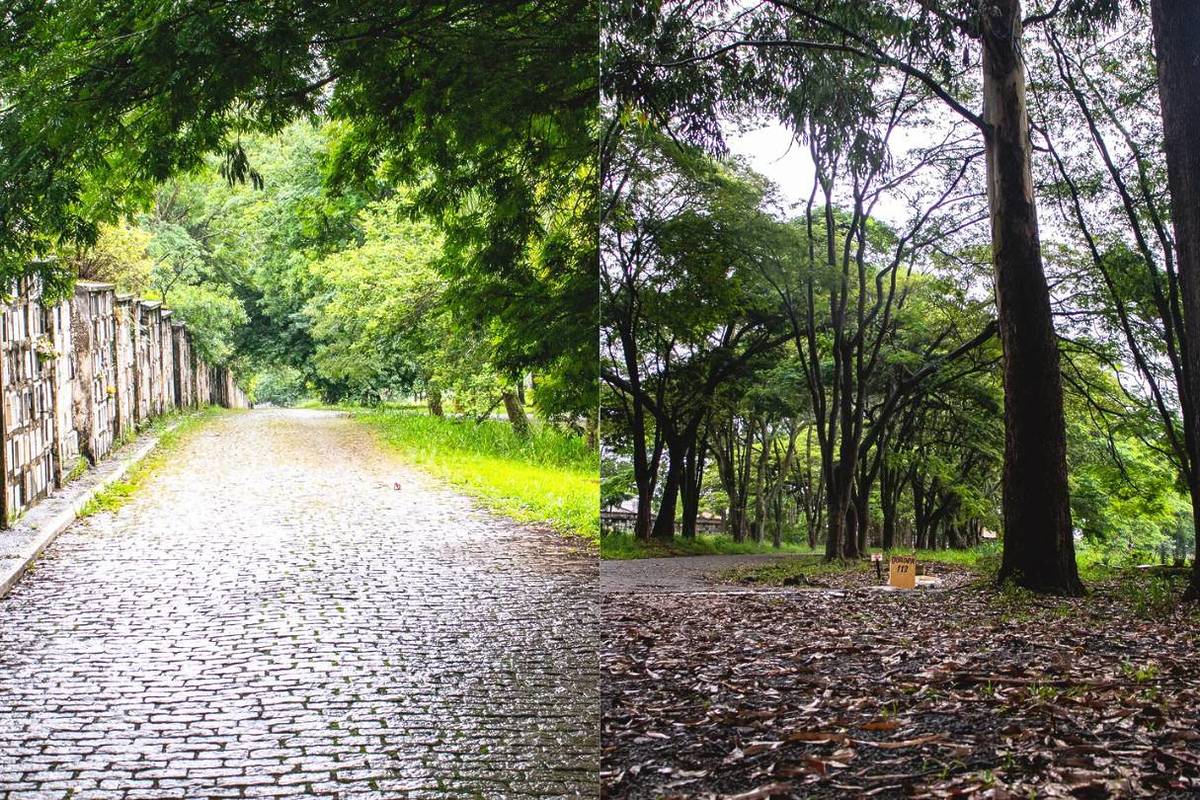
The necropolis is the fourth largest green area in the city behind Anhanguera, Ibirapuera and Carmo parks. Its grandeur houses tombs, as well as a forest with around 10,000 native trees, such as quaresmeiras and guava trees, and even a spring.
Learn about the history of Latin America’s largest cemetery
Inaugurated in 1949, Vila Formosa Cemetery soon became a reference in the East Zone. Its area is equivalent to more than one hundred soccer fields and, since its inauguration, it has received more than 1.5 million burials – mostly citizens of classes C, D and E, who initially had no access to the city’s more traditional necropolises.
During Brazil’s military dictatorship, the cemetery went through a dark phase and became a clandestine burial place for disappeared politicians. The case came to light in 2010 with the discovery of a clandestine grave containing dozens of unidentified bones. At the time, the bodies of the disappeared were buried as “indigents”.
Years later, during the Covid-19 pandemic, the Vila Formosa cemetery-park became an important resting place for victims of the disease.
Vila Formosa Cemetery is a “living park” in the East Zone
Over the years, Vila Formosa Cemetery has transformed itself in the eyes of visitors. With one of the largest green areas in São Paulo, the space attracts not only those who visit loved ones, but also residents of the East Zone who seek contact with nature. It’s not uncommon to see people walking or cycling there, for example.
The City Hall has even inaugurated a self-guided trail through the cemetery. It’s a kilometer and five hundred meters of signposted outdoor path, which allows you to explore the charms of the forest, such as the local fauna and flora. It’s important to note that the trail is in the green area of the cemetery, where no burials take place, so leisure use doesn’t interfere with the necropolis’ routine.
It may sound curious, but this social use of Vila Formosa Cemetery is not new. Reports from 2001 show residents taking advantage of the necropolis for leisure time: