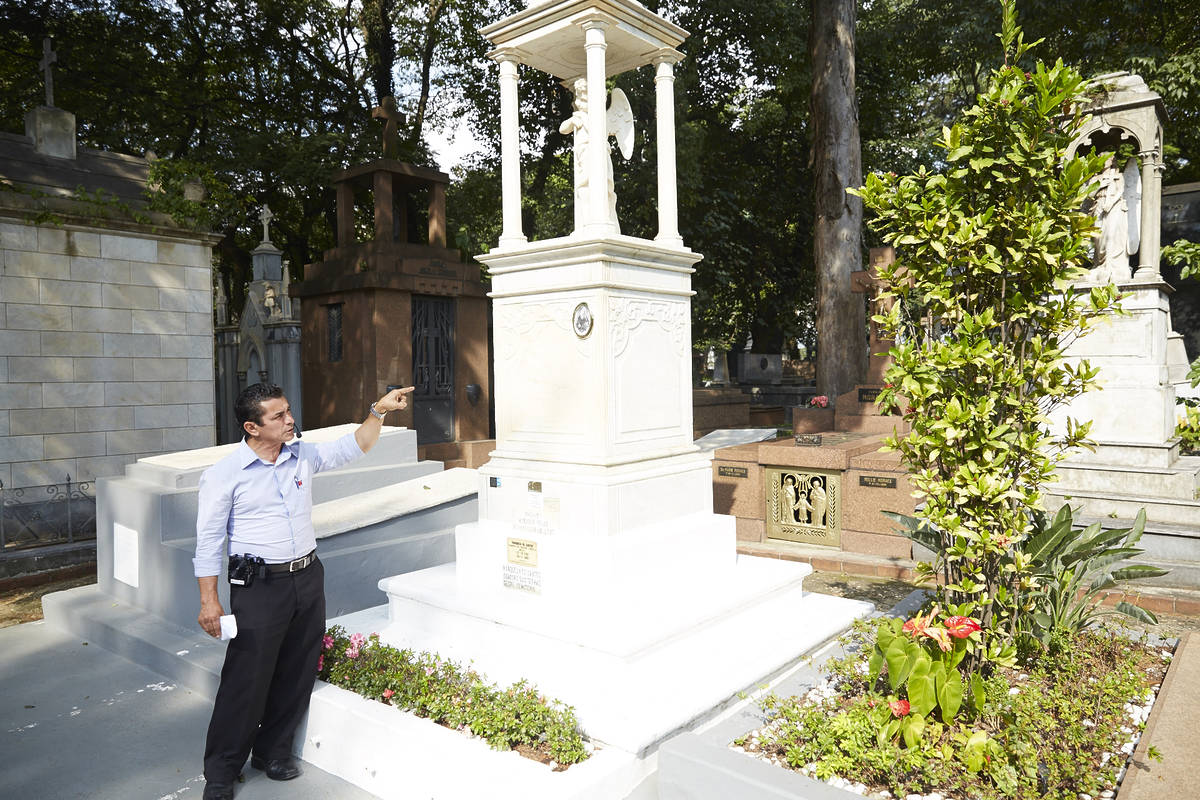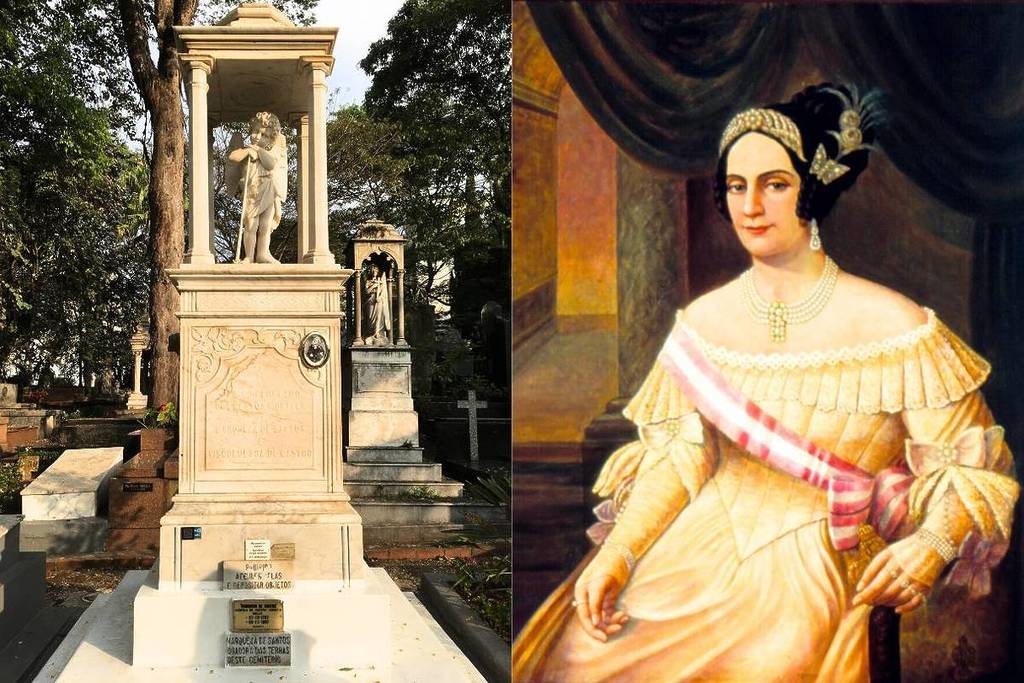
Domitila de Castro Canto e Melo, the famous Marquise of Santos, became known in the Brazilian imagination as “Dom Pedro I’s mistress”. However, she also played an important role in the history of São Paulo, organizing cultural events and financing works in the city. Her influence was so great that she was buried here – and to this day, you can visit the Marquise’s tomb in São Paulo.
Domitila lies in oldest cemetery in the capital along with other personalities who made a mark on the city. Understand the Marquesa’s role in the history of São Paulo and find out how to visit her resting place.
Marquesa de Santos was first lady of São Paulo
Born in 1797 to a traditional São Paulo family, Domitila lived in the capital for years with her second husband, Rafael Tobias de Aguiar. By this time, her extramarital affair with Dom Pedro I had ended and she had been removed from court.
Tobias de Aguiar was the President of the Province of São Paulo, a position equivalent to that of governor today. Together, they acquired several properties, including the famous Solar da Marquesa, one of the oldest buildings in the city. The Casarão do Anastácio, which remains abandoned on the banks of the Marginal Tietê and the Anhanguera highway, also belonged to the couple.
As first lady of the province, Domitila de Castro Canto e Melo organized soirees and parties for the elite, helped university students financially and earmarked part of her fortune for philanthropic works. One of her most notable donations was for the construction of the chapel at the Consolação Cemetery – where, incidentally, she was later buried.
You can visit the tomb of the Marquesa de Santos
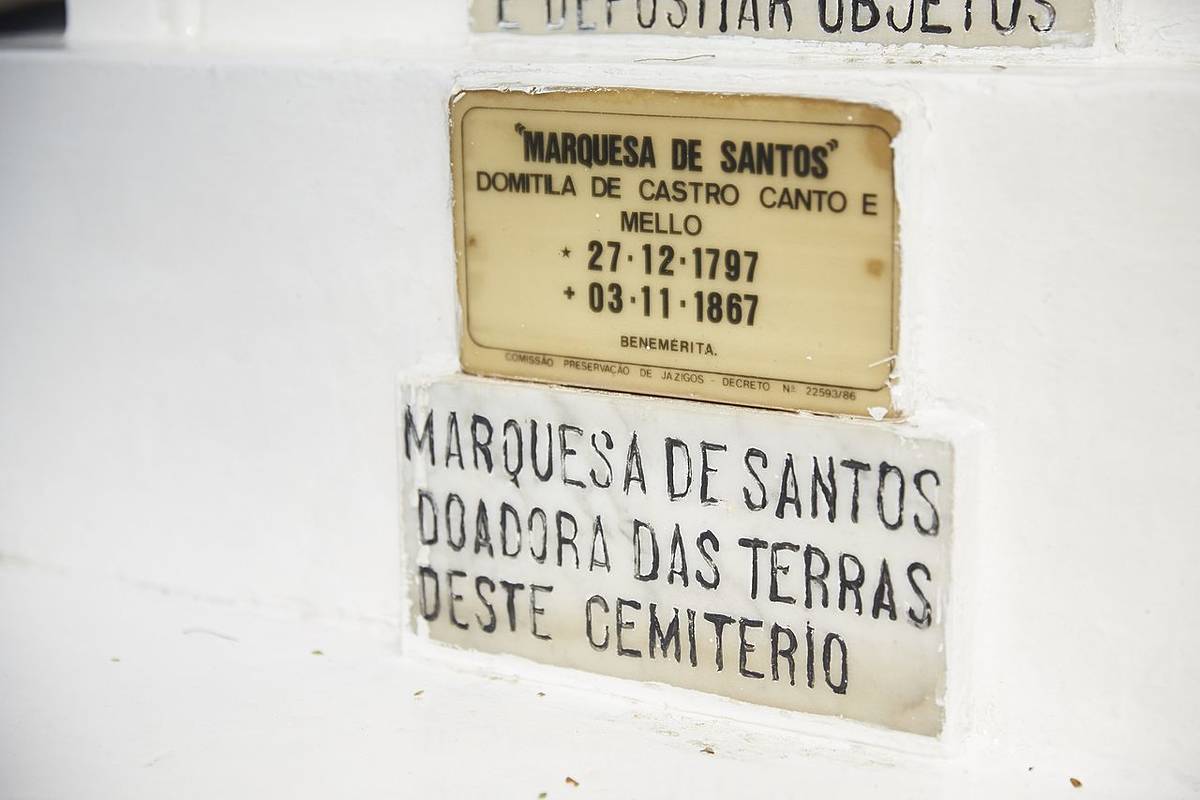
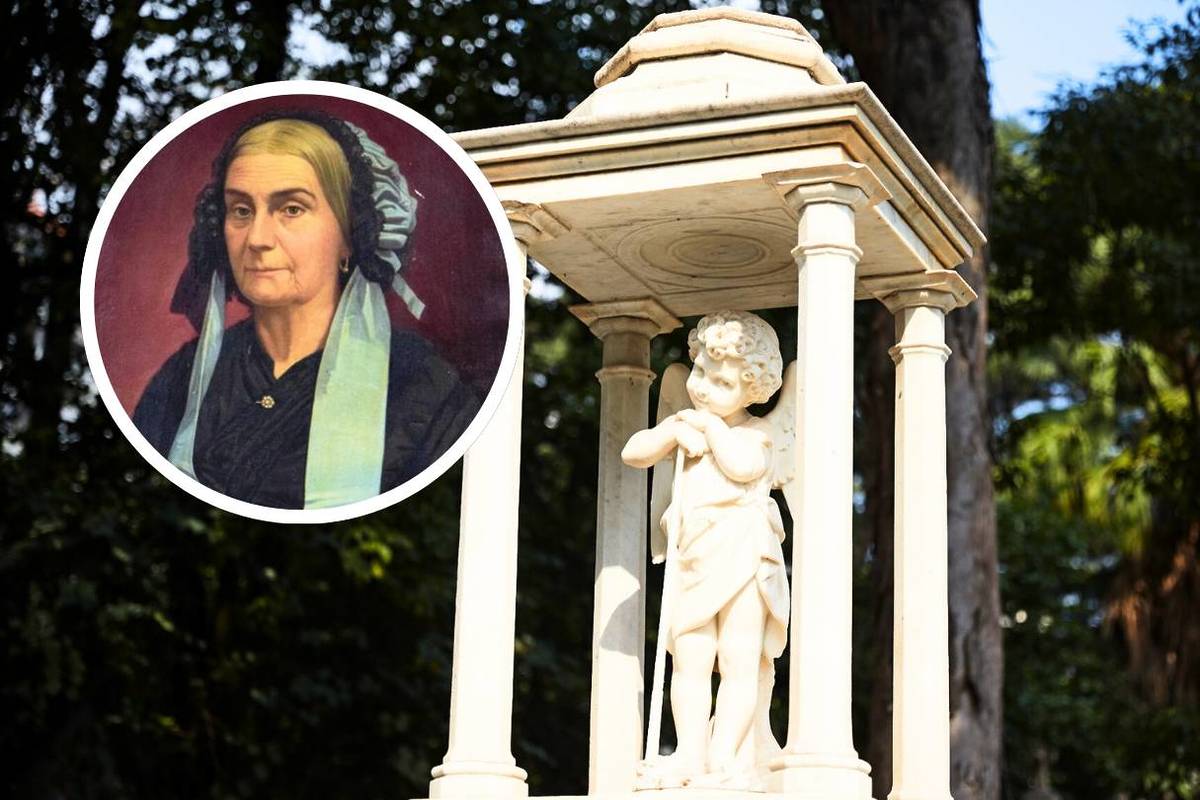
Domitila died in 1867 from a gastrointestinal infection. Her burial took place in the family tomb, where one of her brothers and one of her daughters with Dom Pedro I are also buried.
The tomb is in the Consolação Cemetery, street 1, plot 3. It is possible to visit free of charge or in the company of a guide, who shows the tombs of personalities from São Paulo and explains the architecture of the site. For more information, contact Consolare, the concessionaire responsible for the cemetery.