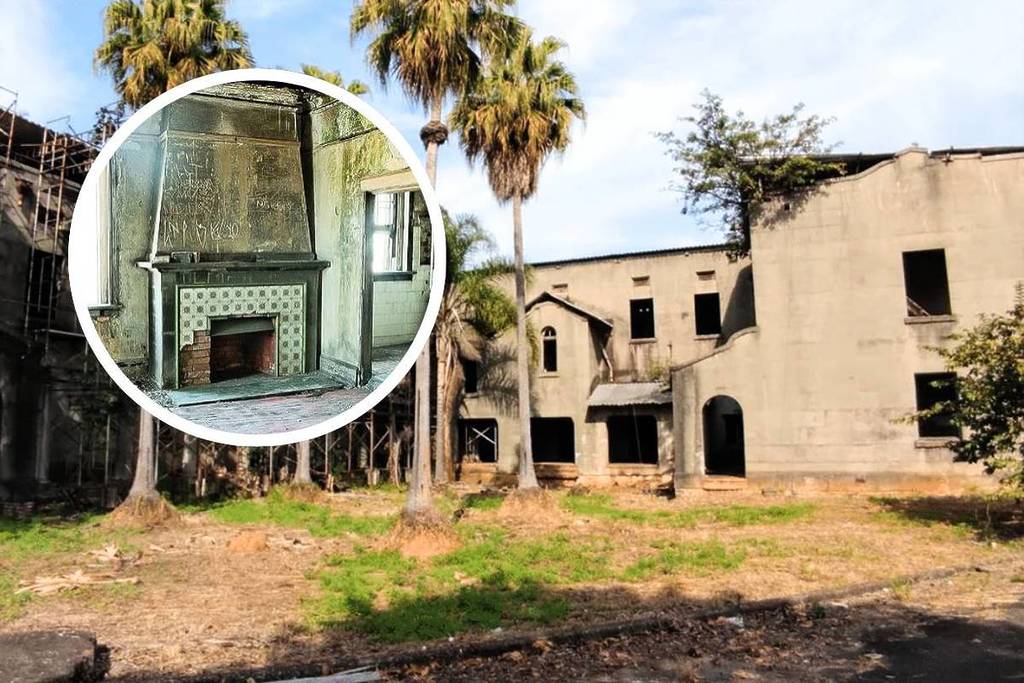
If you’ve ever passed over the access bridges from Marginal Tietê to Rodovia Anhanguera, you’ve certainly seen the imposing building that borders the avenues. This is the Casarão do Anastácio, a listed historic building which, unfortunately, is now in full decay.
A São Paulo historical heritage site since 2013, the Casarão do Anastácio is located in Pirituba and is a symbol of memory and culture. Even so, a possible restoration is still a long way off, and the property has been deteriorating ever since.
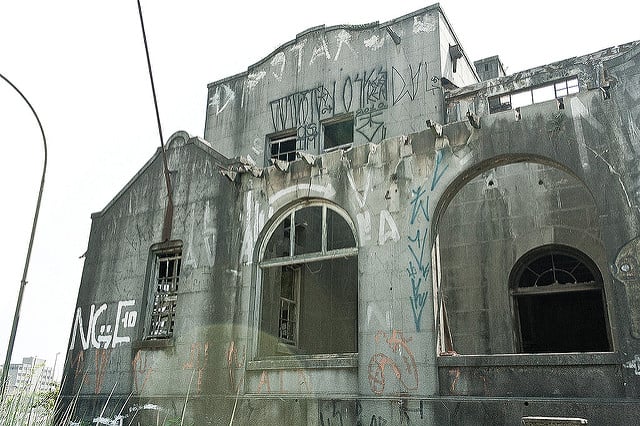
Casarão do Anastácio has seen better days
The land that houses the Casarão do Anastácio is around 180,000 square meters and has been owned by several people over the centuries. Its first owner was Colonel Anastácio de Freitas Troncozo, who named the farm after himself in 1823.
In 1856, Domitila de Castro Canto e Mello, the Marquise de Santos, bought the place together with her husband, Brigadier Tobias de Aguiar. The couple built a simple rammed earth house which Domitila used to visit at weekends.
Documents from USP indicate that the Marquise was known for her relatively tolerant attitude towards enslaved people, sharing the habit of smoking with them on the estate. In fact, some sources suggest that the land may have been the site of the first quilombo in São Paulo, mainly due to the Marquesa’s behavior.
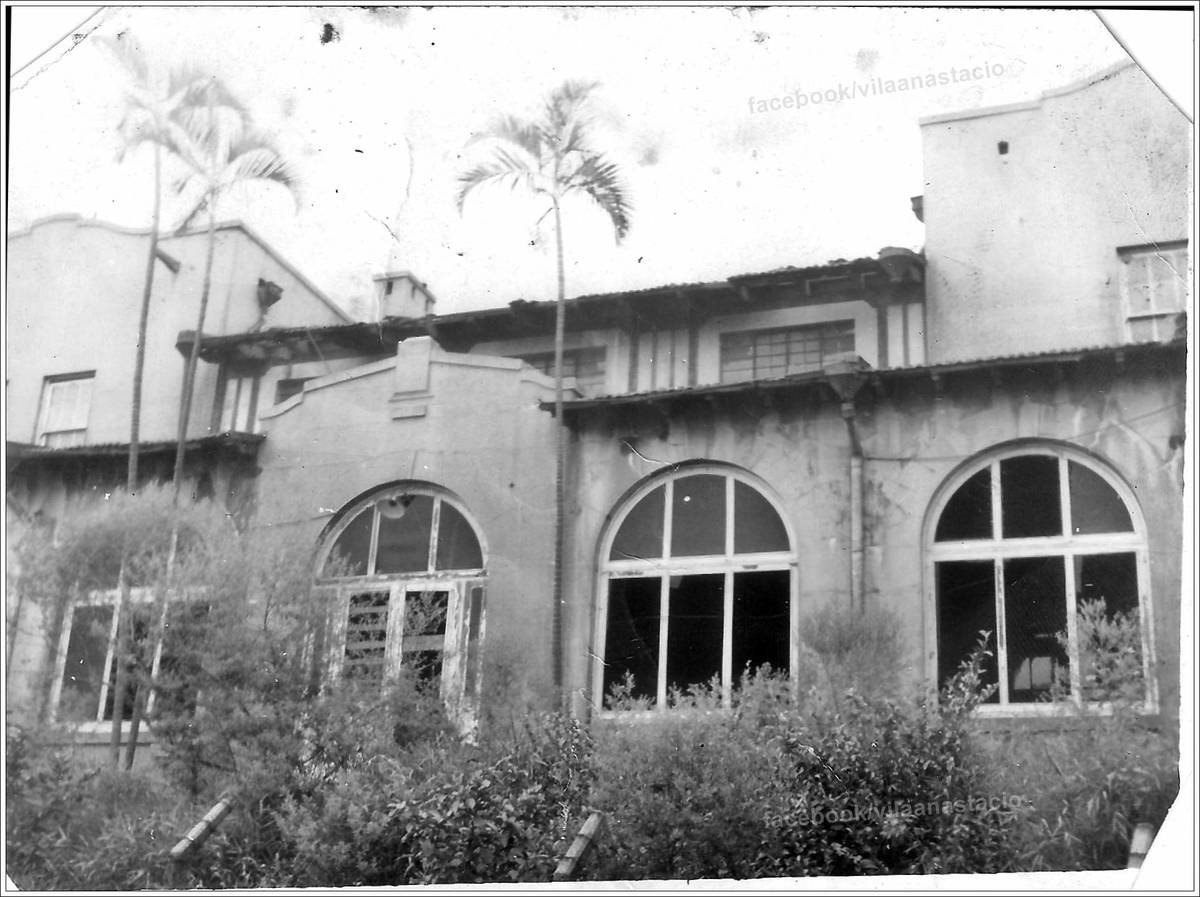
Half a century of decay
After the owners died, the heirs divided up the land and sold the plots to companies such as Companhia Armour do Brasil. It was this company that, in 1920, built the structure we know today as Casarão do Anastácio on the site of the old Marquesa house.
After the land was sold to another company in the 1960s, the property was abandoned. Vegetation began to take over the site and the walls of the building lost their paintwork, which was replaced by dozens of graffiti. Several construction companies expressed an interest in building shopping centers and buildings on the site, so in the 1990s, the Municipal Department of Culture began the process of listing the building to protect it from demolition.
The process ended in 2013, by which time the Casarão do Anastácio was already owned by the American company Tishman Speyer, which said it was interested in restoring it and turning it into a cultural space. However, work never began and the mansion remains abandoned to this day. Experts even say that the structure is fragile and could collapse at any moment. In other words, we can only hope that Casarão do Anastácio holds out until the promises come true.