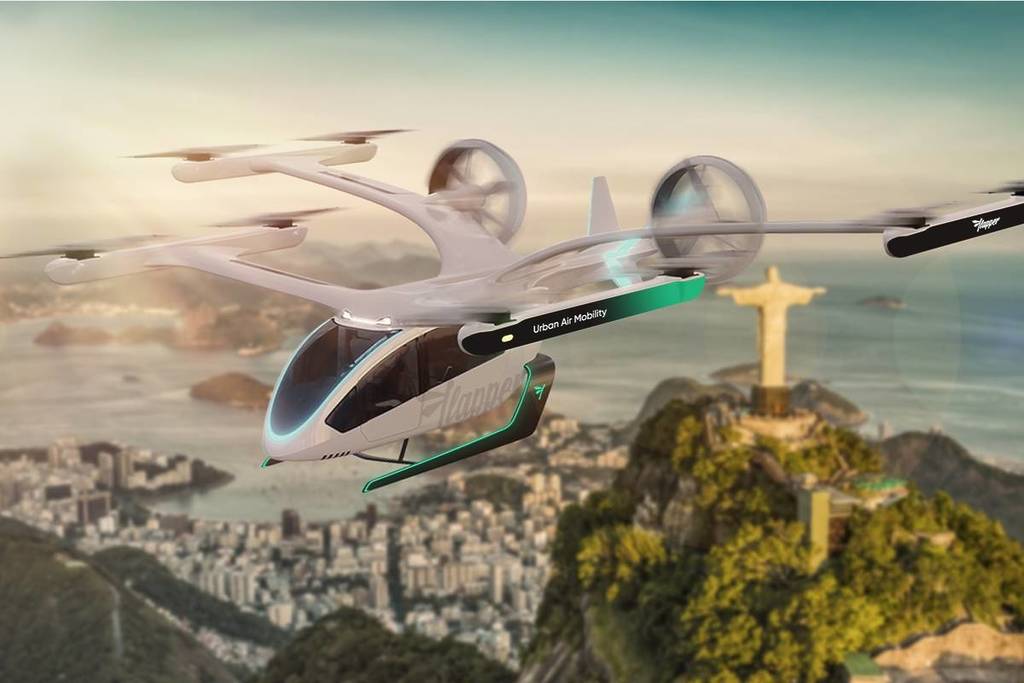
The idea of “flying cars, “ once restricted to science fiction, is beginning to take shape in Brazil. Airports in São Paulo and Rio de Janeiro are being evaluated as possible operating points for eVTOLs, electric aircraft with vertical takeoff and landing capabilities.
Still in the preliminary stages, the projects place two of the country’s largest metropolises on the global map of cities studying aerial solutions for urban and regional travel.
What are “flying cars,” anyway?
Despite their popular nickname, they do not look like cars. eVTOLs (Electric Vertical Take-Off and Landing) are electric aircraft designed for short and medium flights, capable of taking off and landing vertically. In other words, they do not require long runways.
The proposal is to offer faster travel, with less noise and reduced emissions. In addition, the idea is to complement existing modes of transport, rather than replace traditional public transport.
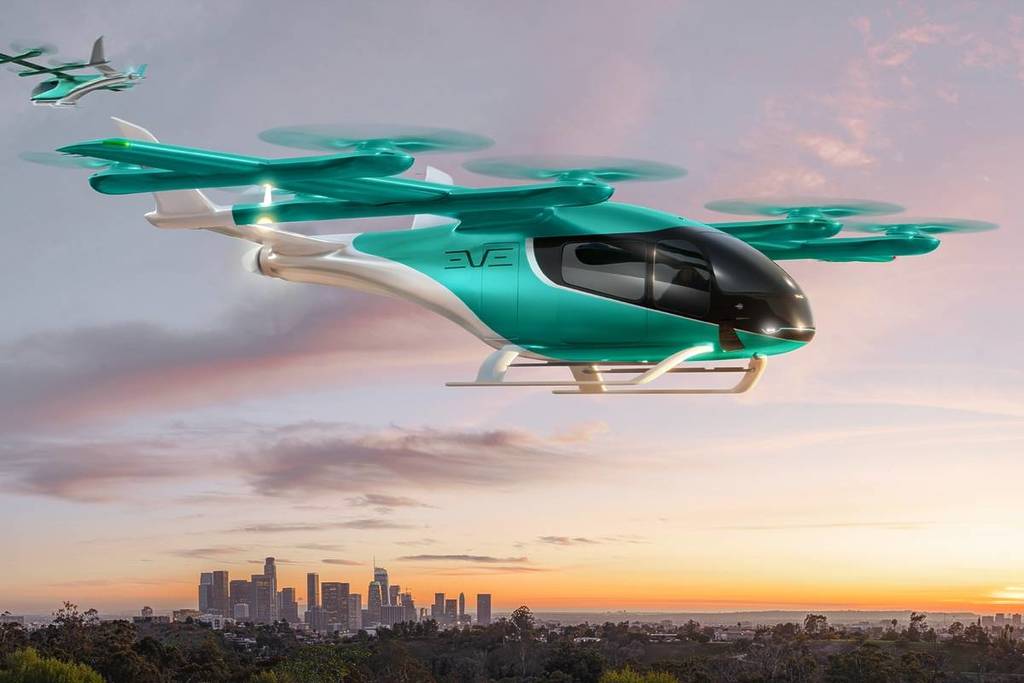 Photo: Disclosure/Embraer
Which airports are involved in Brazil?
In São Paulo, Campo de Marte, in the North Zone, appears to be one of the strategic points for receiving this type of infrastructure. In Rio de Janeiro, Jacarepaguá Airport follows the same logic.
Both are regional airports, focused on executive aviation, located in urban areas. Therefore, they have the potential to become vertiports (specific spaces for landing, takeoff, boarding, and disembarking eVTOLs).
What could this change in São Paulo?
For a city that already has one of the largest helicopter fleets in the world, discussing air mobility is not exactly new.
The difference now lies in the technology: electric aircraft, quieter operation, and the possibility, in the future, of expanding access to urban flights beyond the high-end corporate public.
The movement reinforces São Paulo as a laboratory for innovation in mobility, in line with debates already taking place in centers such as Paris, London, and Los Angeles.
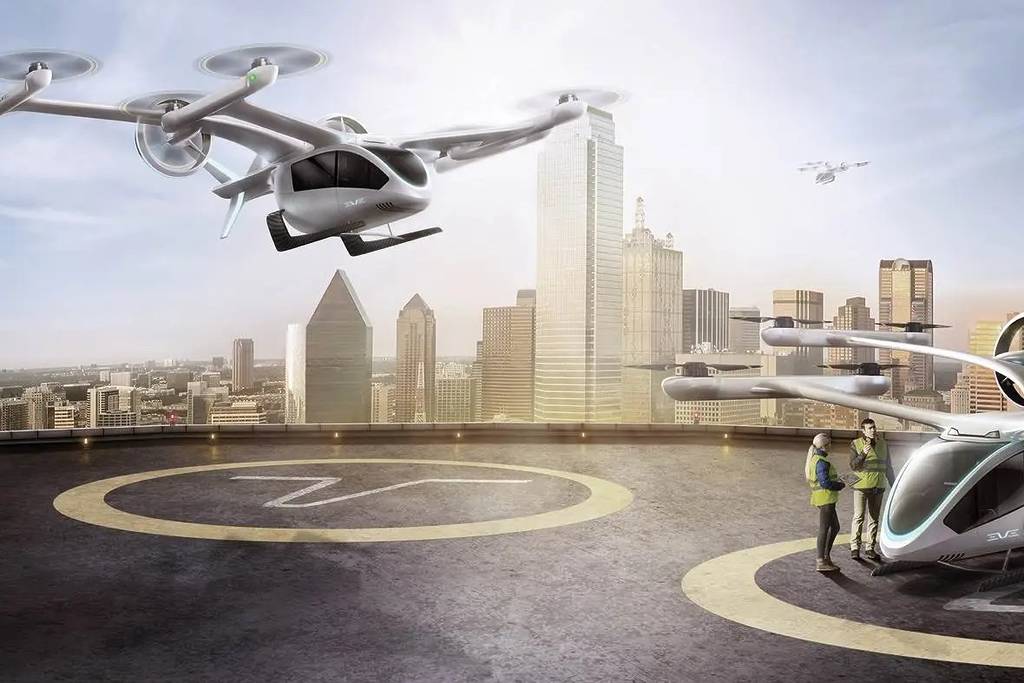 Photo: Disclosure/Embraer
Will this start working soon?
No. The projects do not yet mean immediate commercial flights. Before that, there is a long way to go, including infrastructure development, technical testing, aeronautical certifications, and regulatory approvals.
The announcement may point to a strategic direction, but large-scale operation is still a long way off.
Why does this news matter?
More than just talking about “flying cars,” the topic opens up a broader discussion about the future of cities. In metropolises marked by long commutes and daily traffic jams, any advance in the debate on mobility attracts attention.
São Paulo and Rio de Janeiro once again emerge as testing grounds and spaces for reflection on what may come next, not as an immediate promise for the future, but as concrete planning for new urban possibilities.
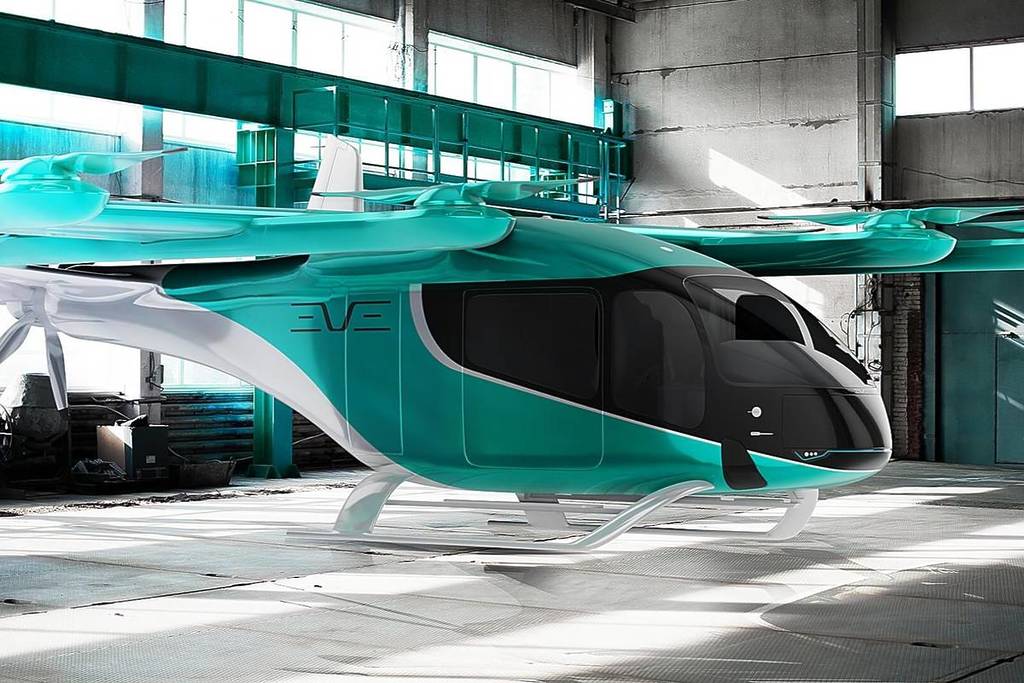 Photo: Disclosure/Embraer