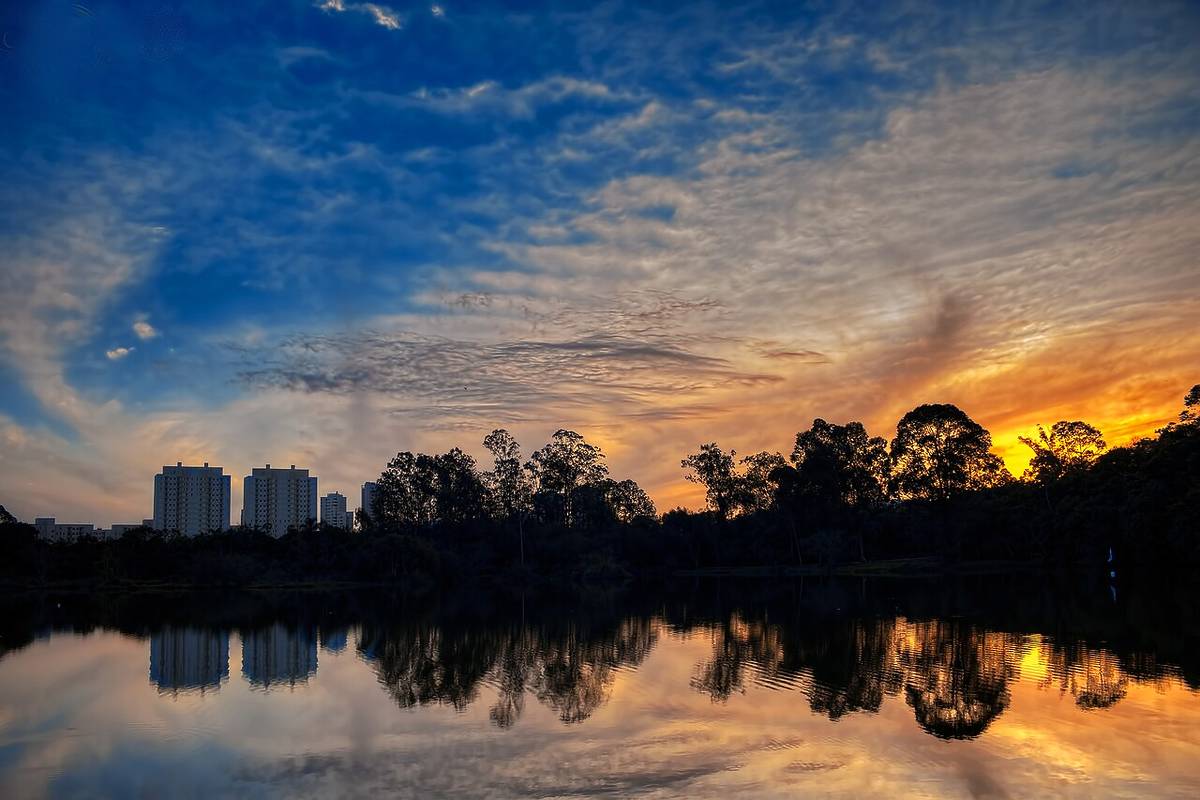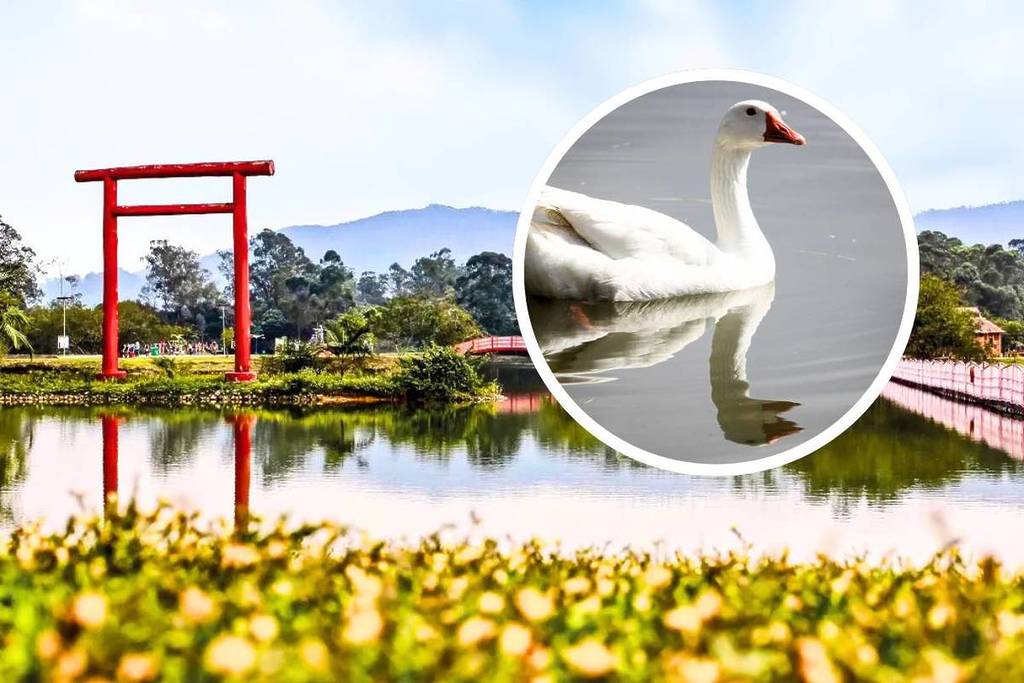
The Centenary Park of Japanese Immigration is one of the main leisure and nature destinations in the metropolitan region, about 60 kilometers from the center of São Paulo. Located in Mogi das Cruzes, the park pays homage to the Japanese immigrants who helped develop the region, with attractions and architecture typical of Japan.
It was inaugurated after the revitalization of a sand extraction mine on the site. Today, the Japanese Immigration Centenary Park is an environmental protection area and offers wooded trails, a picnic area and even a museum.
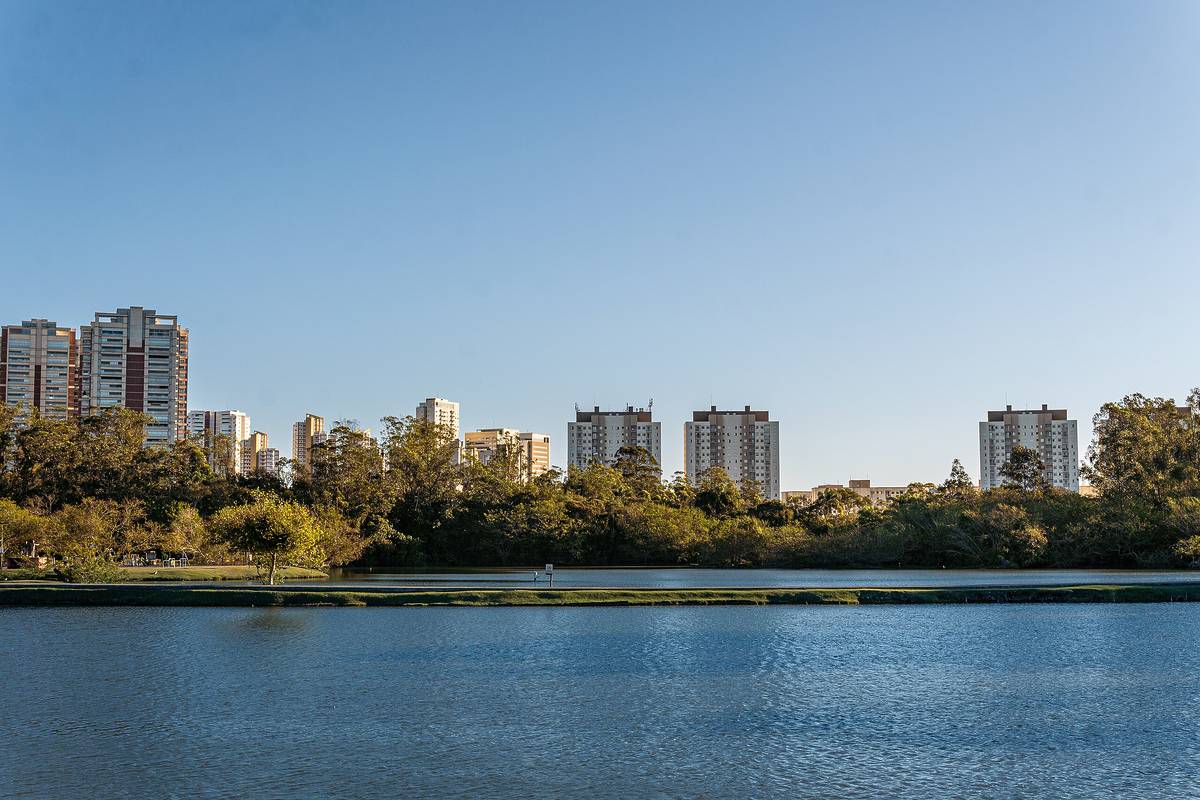
Are you familiar with the Japanese Immigration Centenary Park?
The park pays tribute to the first Japanese immigrants who landed in the Port of Santos in 1908. At that time, an agreement between the governments of Brazil and Japan encouraged many Japanese to come to Latin America, where they worked mainly in coffee plantations.
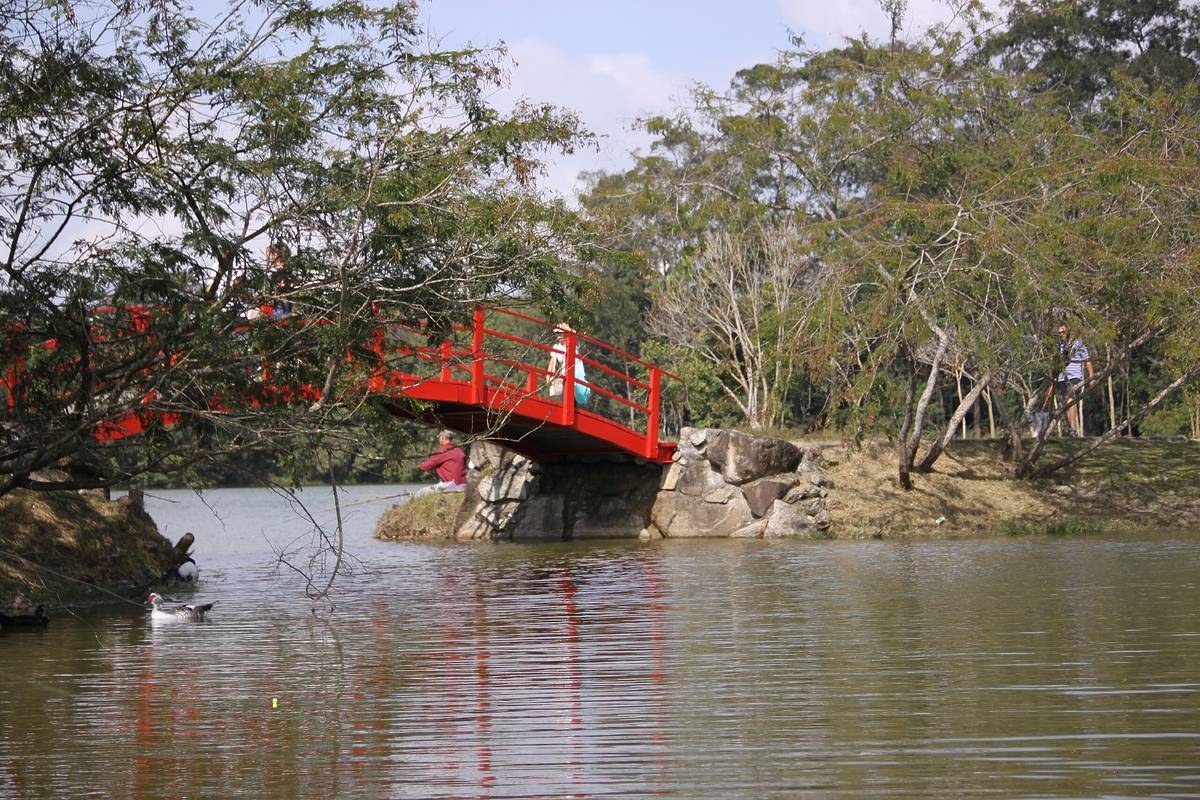
In 2008, therefore, the Japanese Immigration Centenary Park was inaugurated. The 215,000-square-meter space is home to four lakes with oriental-style floating bridges, perfect for walks or photographs. In addition, the “Taro Konno” Culture and Memory Center depicts the history of this immigration, with objects donated by Japanese families.
The park also has a torii, a traditional Japanese gateway. Together, the attractions not only value oriental culture, but also represent the integration of the Japanese into Brazilian society and their contribution to the growth of São Paulo.
How to visit?
The Japanese Immigration Centenary Park is located on Avenida Francisco Rodrigues Filho, without a number, in Cezar de Souza (Mogi das Cruzes). You can visit it from Tuesday to Sunday, from 7am to 6pm, and admission is free.
One advantage is that you can get there with your Bilhete Único. Just take Line 11-Coral and get off at Estudantes Station in Mogi das Cruzes, just 2 kilometers from the park. From there, you can take a municipal bus, request a cab or car app or, to save even more money, walk to the park.
So, in addition to all the unmissable attractions of the Japanese Immigration Centenary Park, it’s still an affordable trip. How about taking the opportunity and exploring this treasure of the metropolitan region?