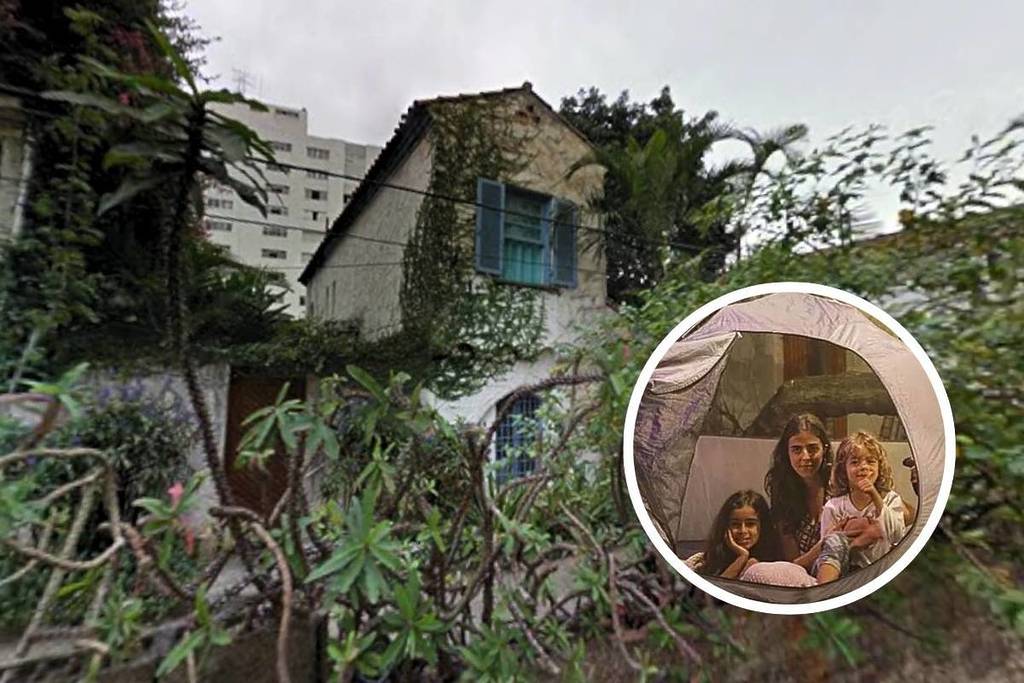
Vilinha da Vila Mariana is one of the few remaining remaining residential villages in the city of São Paulo. Located at 289 Conselheiro Rodrigues Alves Street, it is home to seven early 20th century sobrados that evoke a country atmosphere, with a large central courtyard and lots of greenery.
Despite its historical importance, Vilinha has been closed since 2017, when the residents received a notice to vacate the space. Since then, the site has faced moments of uncertainty and degradation, stuck in a limbo that prevents renovations or maintenance.
Vila may become a real estate development
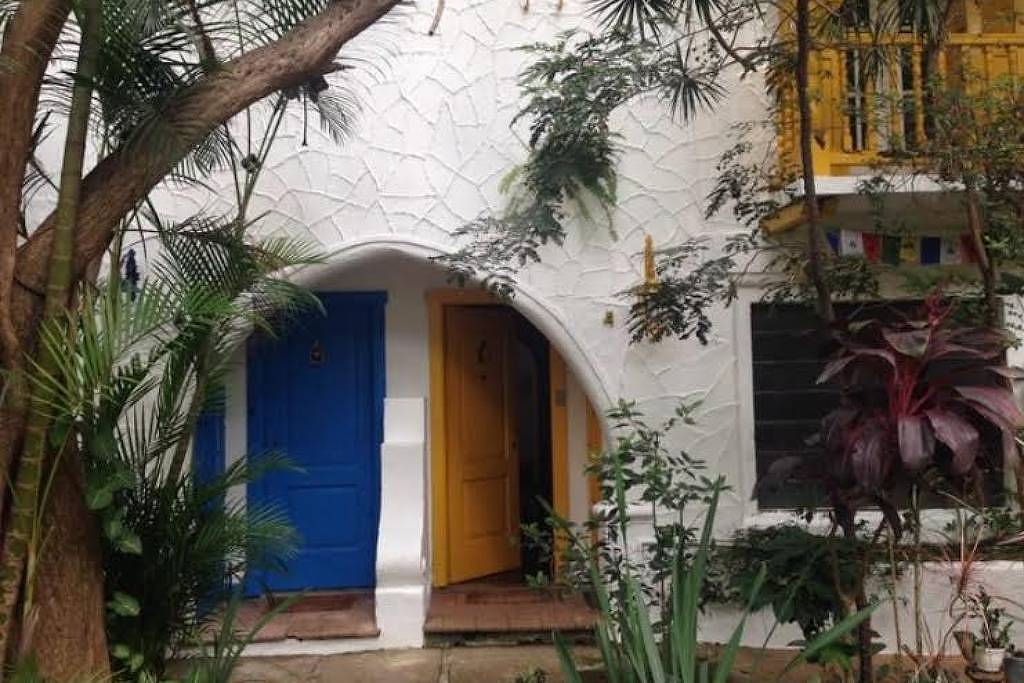
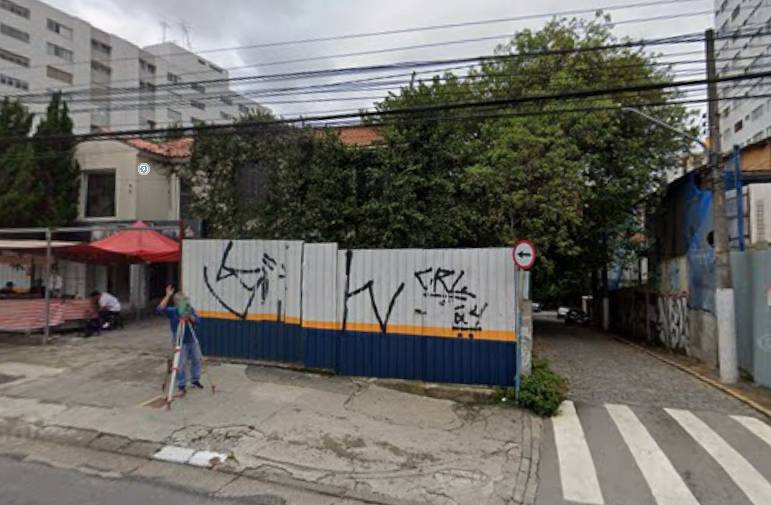
Built between the 1920s and 1930s, Vilinha da Vila Mariana still retains its original architecture. The plot of land includes the houses and a large outdoor living area, which used to host parties and events for the residents. Although residential, the village had no gates and was open to the public – but today, it is empty and surrounded by siding.
The whole of Vilinha belonged to a single owner, who decided to sell it to a developer in 2017. As a result, the tenants had to leave the space, which was to be demolished to make way for a new development. The mobilization of the local community, however, resulted in a court order that prevented the demolition, putting the little houses in limbo that continues to this day.
Shortly after the order, the Municipal Council for the Preservation of the Historical, Cultural and Environmental Heritage of the City of São Paulo (Conresp) began the process of listing the area. Although the process is recent, the desire to turn Vilinha da Rodrigues Alves into a historical heritage site has existed since 2006, when the residents first filed the request.
A former resident made a documentary about Vilinha da Vila Madalena
Actress and filmmaker Ana Petta lived in one of the sobrados for 14 years and became one of the voices of the movement in defense of the space. In the midst of the legal imbroglio, she produced the documentary “Amora”, which portrays the memories and abandonment of the village.
The film takes the point of view of Pedro, one of Ana’s children, who was born and raised there. Through the child’s memories, the filmmaker promotes a reflection on the bond of affection with the territory and care for the historical heritage, while at the same time highlighting the deterioration of the place after the residents left.
“Amora” premiered at the São Paulo 2025 International Film Festival and was featured at festivals in Mexico and Uruguay, strengthening the debate on the preservation of São Paulo’shistoric spaces and the appreciation of urban memory.