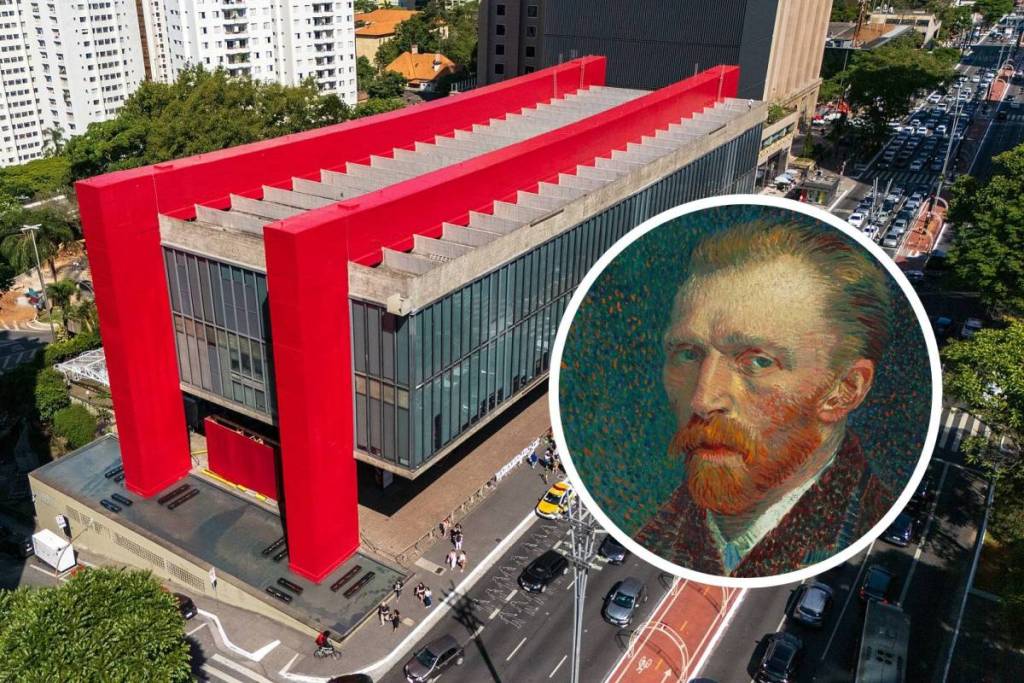

In 2027, MASP will host a new exhibition that promises to move beyond the conventional display of artworks and present a biographical retrospective of Vincent van Gogh. As part of the “Histórias da Loucura” curatorial series, the exhibition will explore aspects of the painter’s career, moving between his brilliant ideas and his mental anguish.
With Adriano Pedrosa as artistic director and Fernando Oliva as curator, the exhibition aims to offer a critical and historical interpretation of the artist’s work. Furthermore, it seeks to analyze his art and personal aspects such as his mental crisis, delusions, and medical conceptions at the end of the 19th century.
Without reducing his works to diagnoses, the preparatory seminar “Van Gogh in Delirium, ” held in 2025 at the museum, brought to light the themes that will guide the curation of the new exhibition.
Among these is the deconstruction of the myth often associated with Van Gogh: the idea of the “mad genius.” The exhibition will feature letters written by the painter, revealing his methods, concerns, and relationships. It will also focus on the crises he experienced, his mental health, and his work ethic.
The public will also be able to view the painter’s portraits, landscapes, and sketches, in an approach that stimulates discussions about the lack of historical consensus regarding clinical explanations for Van Gogh’s life and work.
The Collection of the Van Gogh Exhibition at MASP
With no official list of works yet available, it is impossible to detail the collection that will be on display, nor its origin or international loans. In fact, there are indications that the exhibition has been in the planning stages since 2018, precisely because of the complexnegotiations that often take time to finalize.
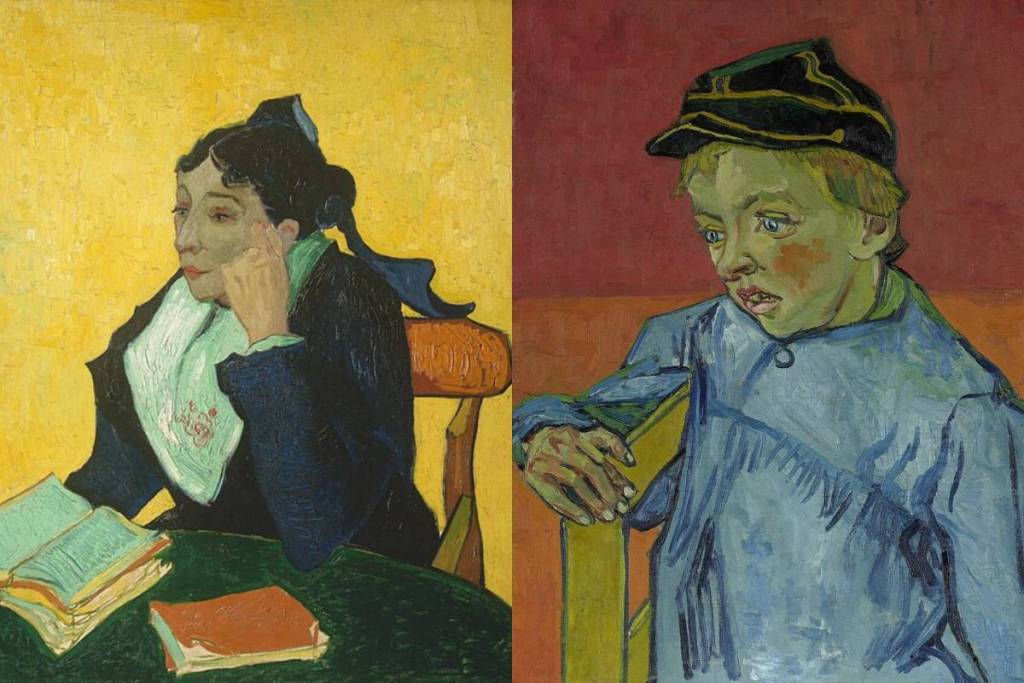
However, given that MASP owns four original paintings by Van Gogh, we can expect them to be featured in next year’s exhibition. Painted between 1888 and 1890 in Arles and later during his hospitalization in Saint-Rémy, France, the works are:
- The Schoolboy (1888): Painted in Arles, the work is part of a period in which Van Gogh was experimenting with and exploring chromatic intensity.
- Stone Bench at the Saint-Rémy Asylum (1889): Created during his stay at the Saint-Paul-de-Mausole asylum in Saint-Rémy-de-Provence.
- Walk at Dusk (1889–1890): Also created during his stay at Saint-Rémy.
- *The Arlesian Woman* (1890): Portrait of Marie Julien Ginoux, owner of the Café de la Gare in Arles. The painting has been part of the MASP collection since 1954.
Incidentally, there are other versions of *The Arlesian Woman* scattered throughout New York, Rome, Otterlo, and the Netherlands. The version housed at MASP is the painting that Van Gogh gave to Paul Gauguin, the creator of the drawing on which the work is based; it is considered a “collaborative work” by the artists.