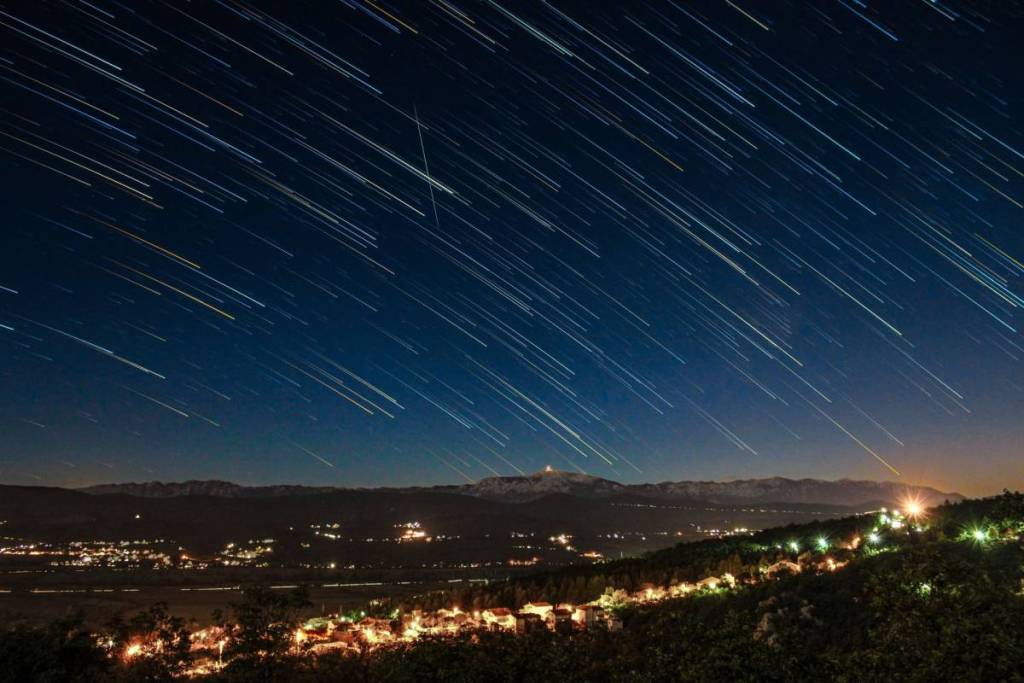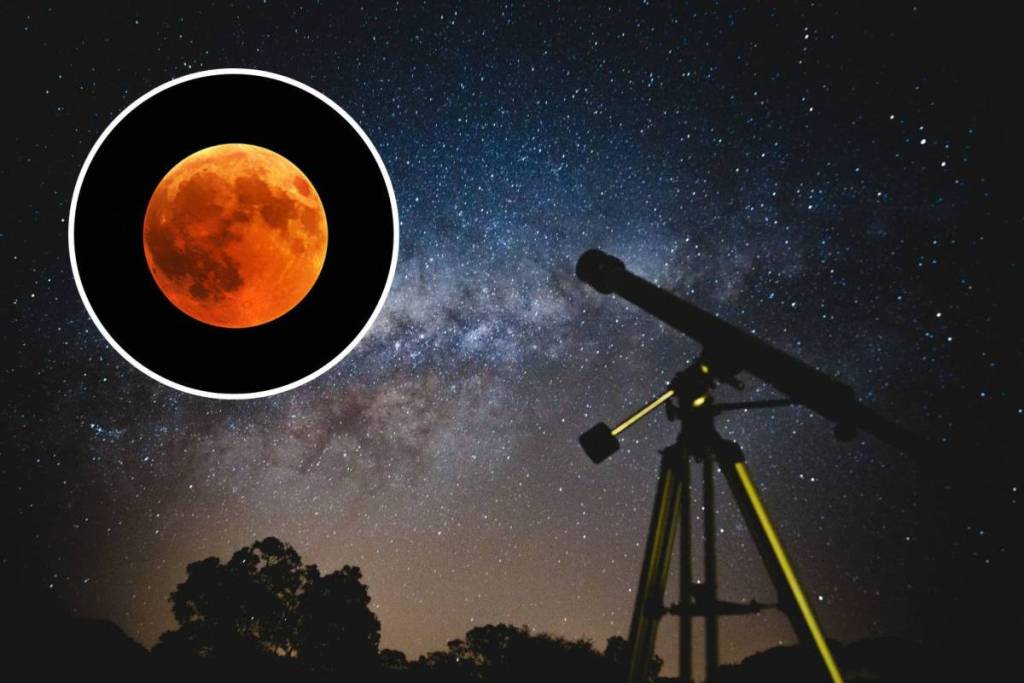

Throughout August, the sky over São Paulo will be a spectacular sight! Astronomy enthusiasts will be able to witness a planetary alignment, a meteor shower, and even a nearly total lunar eclipse, which will be visible to the naked eye throughout Brazil.
For those who enjoy culture, science, and outdoor entertainment, August’sastronomical phenomena are a real treat. Get your telescope ready!
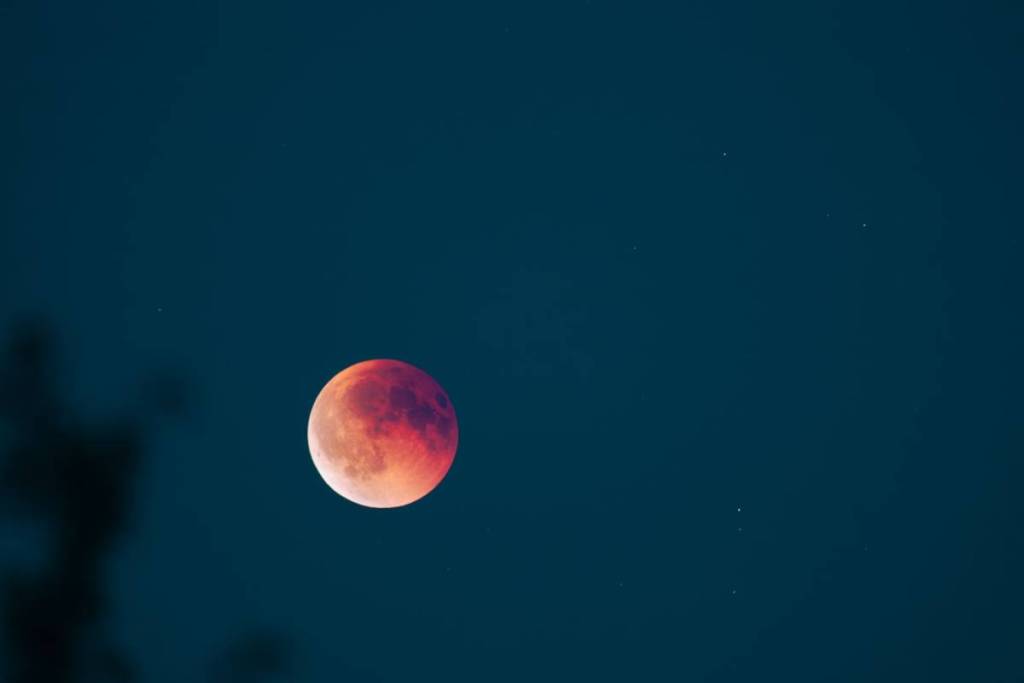
Lunar eclipse ends the month on a high note
In the early hours of August 27–28, the Moon will almost vanish from the São Paulo sky. It is a deep partial lunar eclipse, which occurs when a very large portion of the Moon— 93% to 96%— is in the Earth’s shadow.
The penumbra—the phase in which the Moon’s brightness begins to dim—will occur around 10:23 p.m. The total eclipse will begin between 11:30 p.m. and 12:12 a.m., peaking around 1:12 a.m., when the Earth will position itself exactly between the Sun and the Moon, casting a shadow over the Moon.
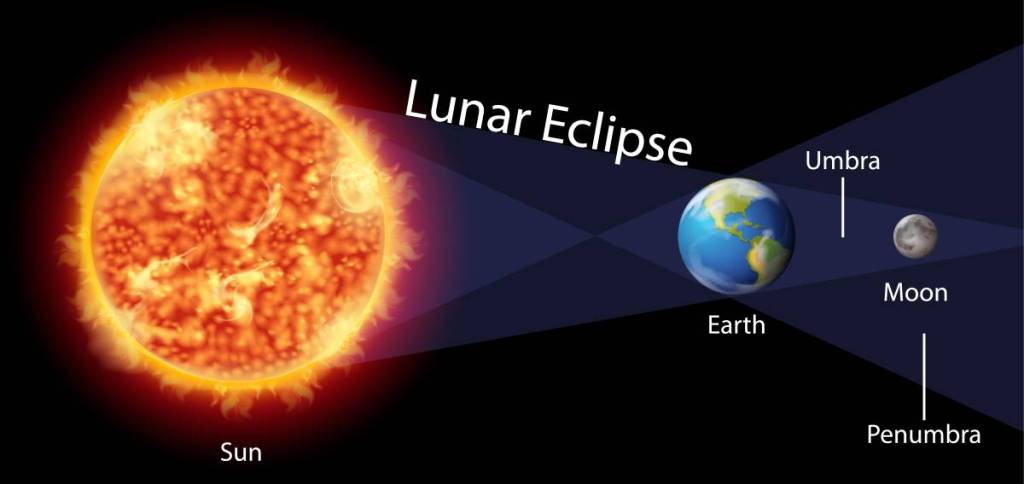
During the peak of the phenomenon, the Moon will not disappear from the sky. Instead, it will take on a reddish hue. This occurs because the light passing through Earth’s atmosphere is filtered, scattering the colors with shorter wavelengths, such as violet, blue, and green.
Yellow, orange, and red, on the other hand, are colors with longer wavelengths, so they pass through the atmosphere, reach the Moon, and lead to the phenomenon we know as a Blood Moon.
The lunar eclipse is safe to view with the naked eye, and you don’t need any equipment to enjoy it. However, binoculars and telescopes can improve your view! Also, try to observe it from high vantage points with few clouds and as little light pollution as possible.
Other astronomical phenomena in August
In addition to the lunar eclipse, the eighth month of the year has other surprises in store for Brazilians. One such event is the Perseid meteor shower, which will peak on August 12. Although viewing conditions are best in the Northern Hemisphere, São Paulo will have partial visibility of the phenomenon.
The early morning of August 12 also features a rare planetary alignment of six planets, visible to the naked eye throughout Brazil. Mercury, Mars, Jupiter, Saturn, Uranus, and Neptune will line up in the sky just before dawn—a phenomenon some scientists call a “planetary parade.”
Finally, on the same day, the Northern Hemisphere will be able to witness a total solar eclipse. Although residents of São Paulo won’t be able to see it in person, NASA will be live-streaming the event. To watch, simply visit nasa.gov/live on August 12 starting at 2:15 p.m. (Brasília time).