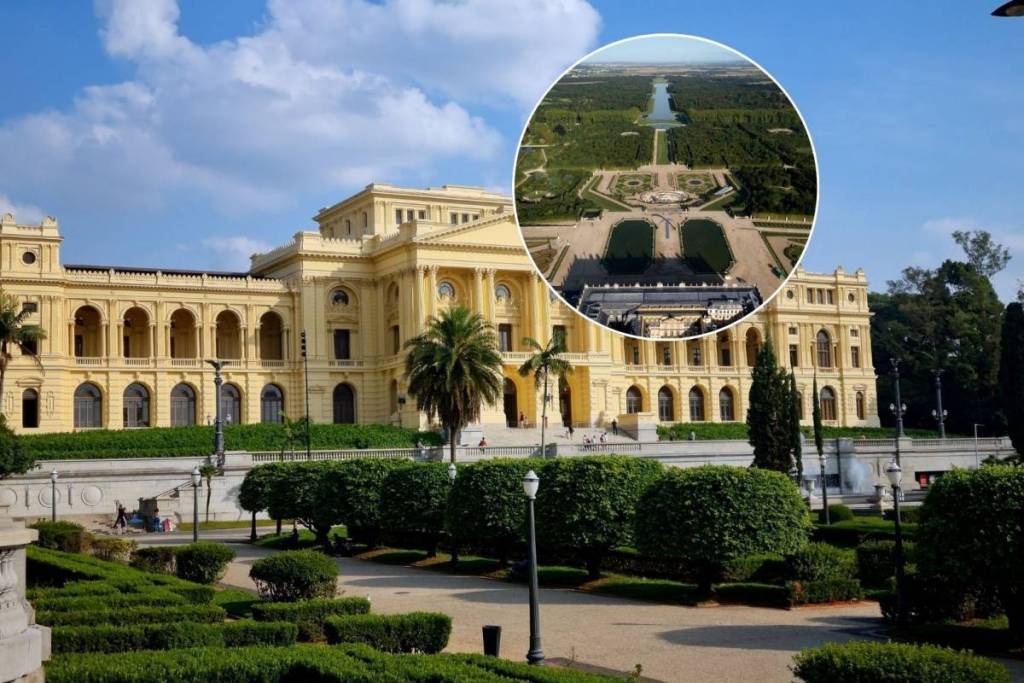

São Paulo is a city full of attractions to visit, but some are practically must-see stops, such as the Ipiranga Museum in the capital’s South Zone . Considered one of Brazil’s oldest museums, this place stands out not only for the excellence of its collection but also for the beauty of its architecture and the surrounding gardens. With a strong Neo-Renaissance influence, the green spaces, adorned with beautiful fountains, are reminiscent of the Palace of Versailles in France. In a setting that evokes any European fairy tale, here, the spotlight isn’t on thrones or crowns, but rather on the country’s own history and one of its most famous paintings.
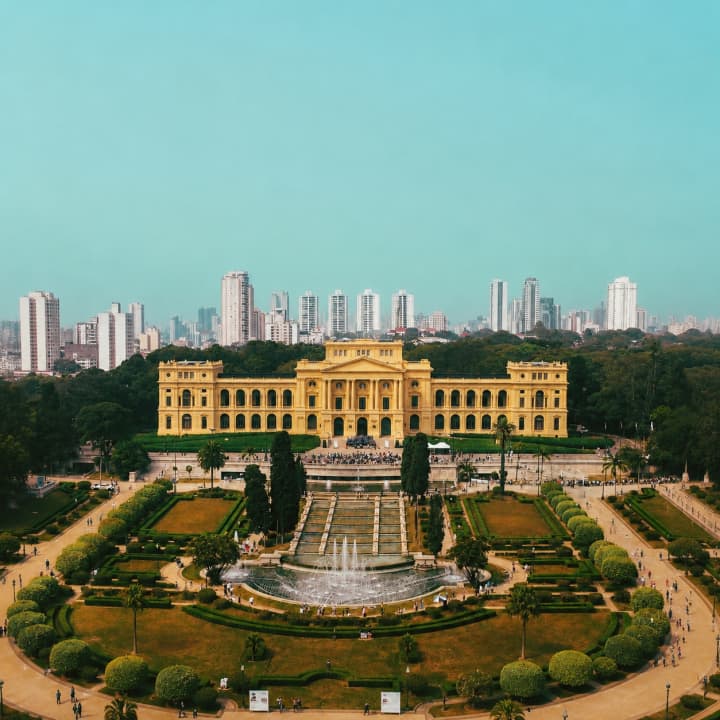
Ipiranga Museum
22 October 2026 10:00 + more dates
Museu do Ipiranga
About to blow out 131 candles
The Ipiranga Museum may resemble a royal palace from the outside, but no emperors or princes ever lived there. The oldest publicmuseum in São Paulo (and also one of the oldest in the country)—which will soon celebrate its 131st anniversary—was designed to be a monument to Brazil’s Independence, proclaimed in 1822 on the banks of the Ipiranga stream. However, by the time it was inaugurated on September 7, 1895, the Brazilian monarchy had already come to an end.
Today, the Ipiranga Museum is one of the most visited sites in São Paulo and serves as the headquarters of the Museu Paulista, which focuses on history and material culture and is affiliated with the University of São Paulo. Visiting the museum is like traveling back in time and tracing the country’s history through a collection of over 450,000 items, of which about 3,500 are on display, including artifacts, furniture, and works of art —and among them, one in particular deserves special mention.
The giant screen that never moves from its spot
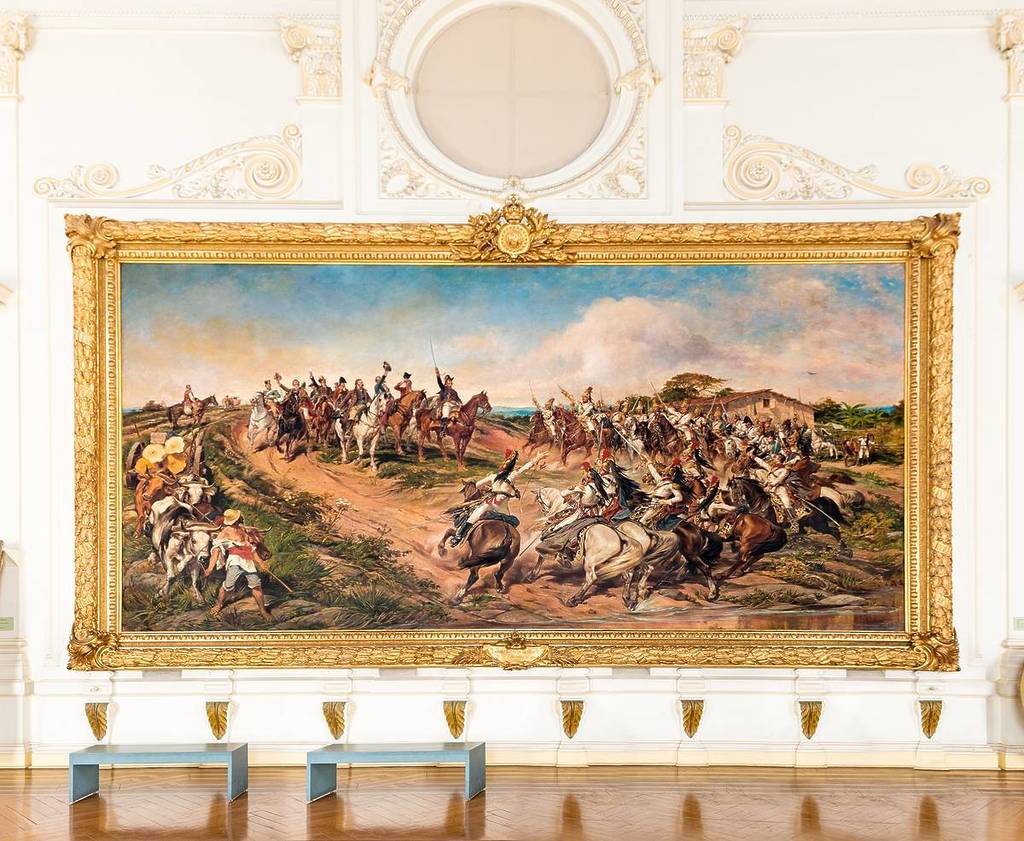
Visiting the Ipiranga Museum without seeing the painting “Independence or Death” is almost like going to the Vatican and not seeing the Pope. Painted by Pedro Américo in 1888, this giant canvas measures an impressive 4.15 meters high by 7.60 meters wide and is one of the icons of the collection.
One of the most fascinating aspects is that, from the very beginning, the painting was conceived as the monument’s centerpiece—to the point that the space was designed specifically to house it. The painting was originally installed where it remains to this day, in the Noble Hall of the Ipiranga Museum. The reason? Given its colossal dimensions, it is nearly impossible to remove the work from its location.
Nine Years of Longing
With over a century of history, the Ipiranga Museum has not always been permanently open to the public. In fact, it was closed for nearly a decade to undergo the largest and most complex restoration in its history.
The wait, however, was worth it. In 2022, this postcard-perfect site was given a new lease on life, withthe restoration of its entire historic structure, new exhibition areas, multimedia features, and improved accessibility. In other words, if you haven’t visited since the reopening, it’s long past time.
Useful Information
📍 Where: Independence Park – Ipiranga
⏰ Hours: Tuesday through Sunday, 10 a.m. to 5 p.m.
🎟️ Tickets: Admission is free every Wednesday, on the first Sunday of each month, and on special dates; tickets can be purchased on Fever.