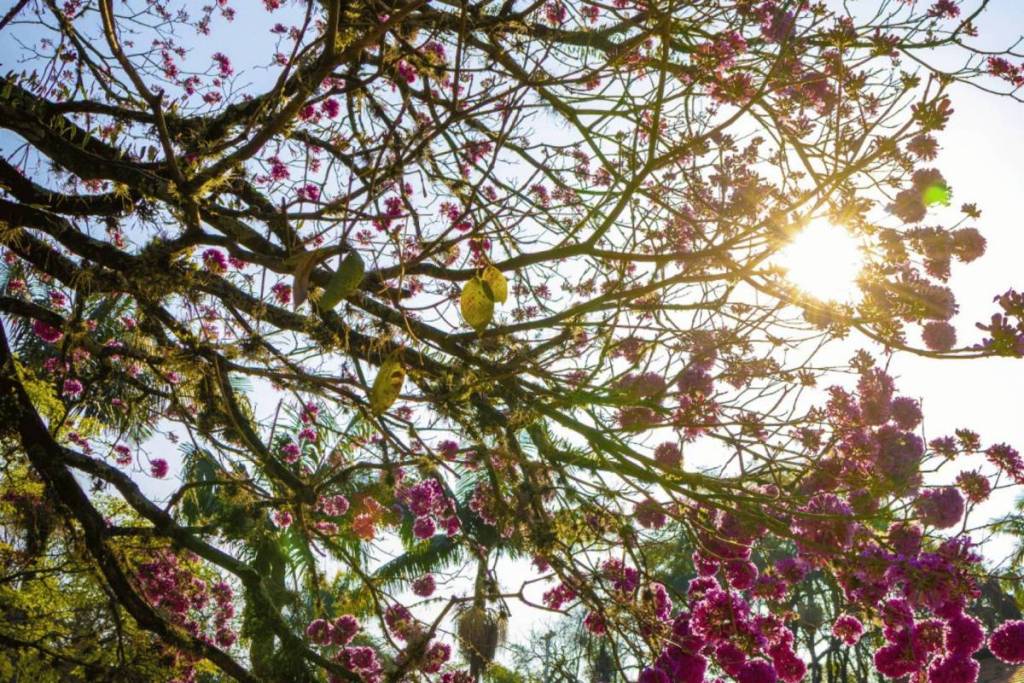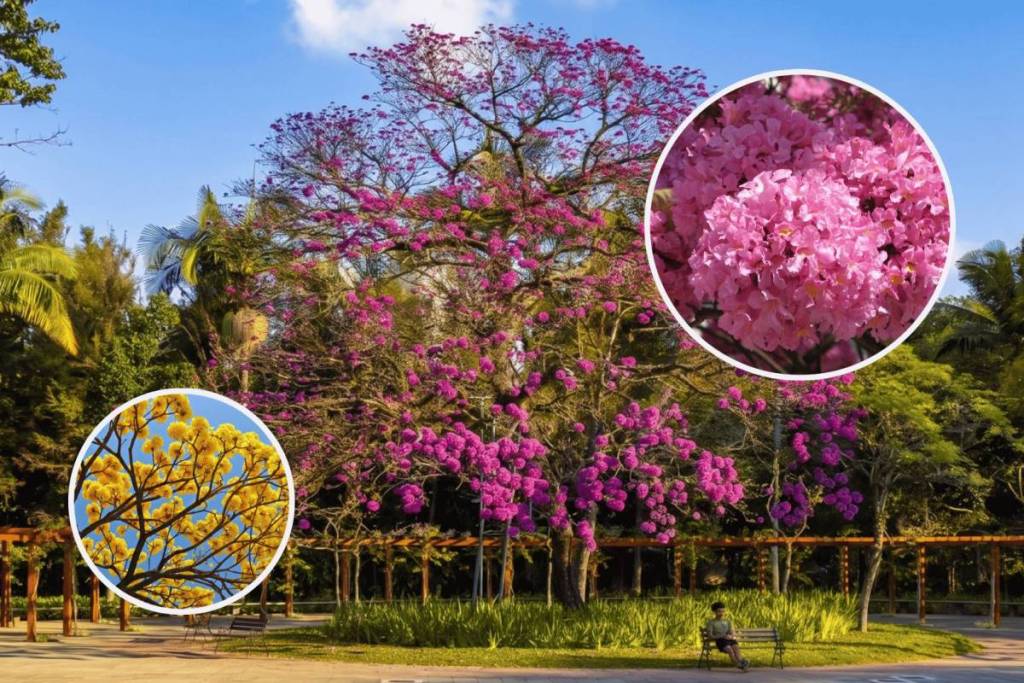

Every winter, the blooming of the sakura (the famous Japanese cherry trees) attracts thousands of visitors to São Paulo’s parks. However, there is a native tree that also offers, once a year, a breathtaking spectacle of nature: the ipê.
The species’ name comes from the Tupi language and means “tree with thick bark, ” a reference to its high-quality wood. Found primarily in the Cerrado and the Atlantic Forest, the tree beautifies the streets and green spaces of São Paulo’s capital during the coldest and driest season of the year.
One of the best places to enjoy this transformation is Ibirapuera Park, where the ipê season in 2026 has already begun! The phenomenon occurs annually between the end of winter and the beginning of spring, with different species adding color to the landscape.
The spectacular blooming of the ipê trees in Ibirapuera Park in 2026!
The ipê trees have been part of Ibirapuera Park’s landscaping design from the very beginning, helping to bring color to the park during the dry months. Over the years, the species has expanded its presence in the park, thanks in part to community planting efforts organized by volunteers.
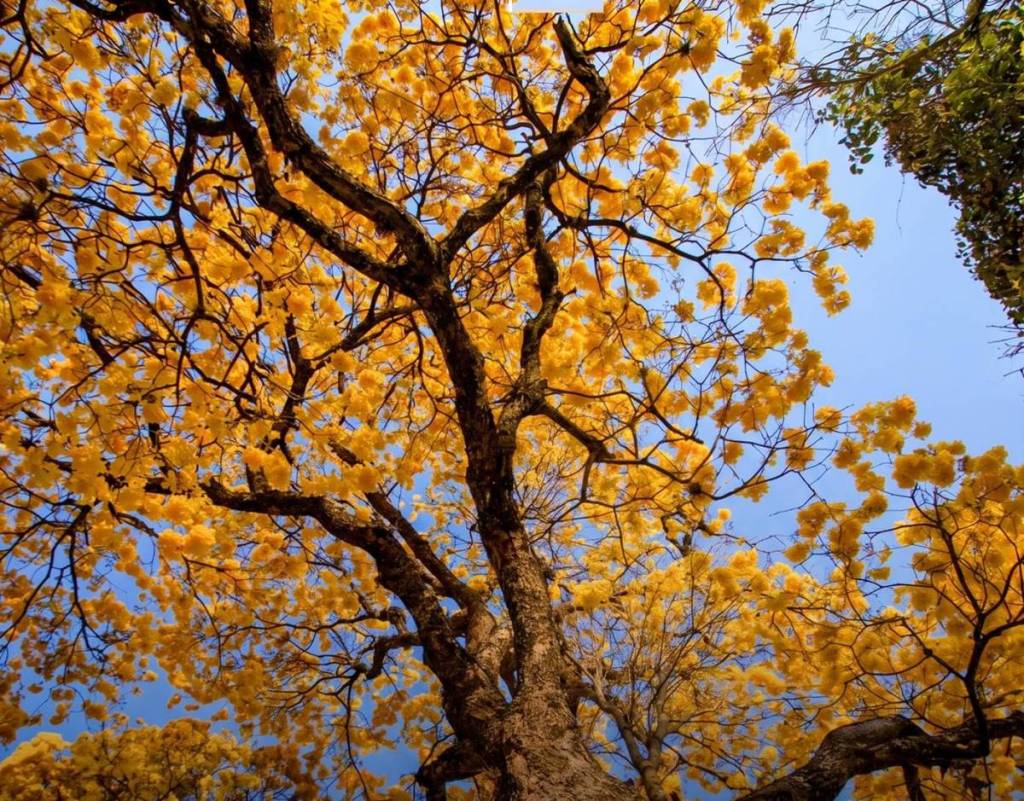
Official park sources highlight the presence of at least four varieties of the plant in the region: purple, yellow, pink, and white, which transform the park into a multicolored work of art.
The blooming season varies for each type of ipê and can also be influenced by the local climate and the amount of nutrients in the soil. In the city of São Paulo, the blooming generally occurs as follows:
- Purple and pink ipê trees: June and July;
- Yellow ipê: August and September;
- White ipê: September and October.
The delicate flowers are short-lived: from two weeks to just four days. In other words, as soon as the blooming season begins, you have very little time to enjoy the spectacle!
Why you should visit the park at this time of year
At the end of June, Ibirapuera Park’s official channels announced that the first flowers had already begun to appear. Making its debut in 2026 is thepurple ball ipê —which, despite its name, can range in color from lilac to dark pink.
In addition to decorating the landscape, these trees also provide shelter for birds and attract insects that help pollinate them. Not to mention, of course, the perfect shade for a picnic on the carpet of flowers that forms on the ground.
That’s why now is the perfect time to visit Ibirapuera Park. If not, then next year!