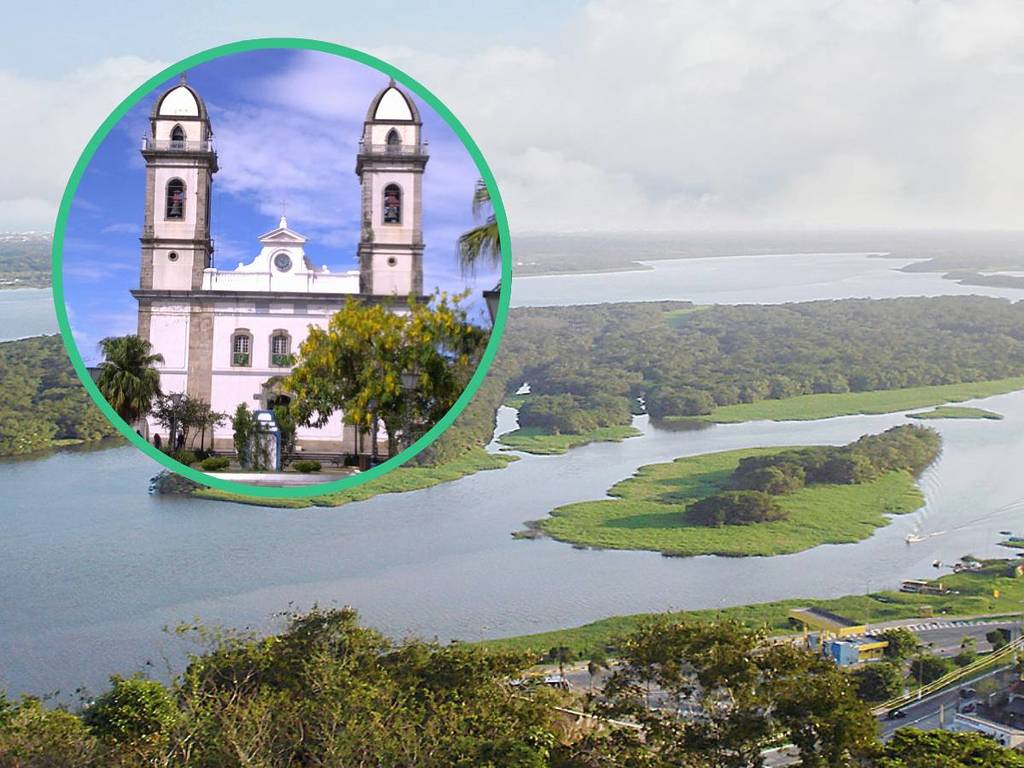
Did you know that Iguape is the largest municipality in terms of land area in the state of São Paulo? Located in the Ribeira Valley, this city on the south coast is a real treasure hidden between the mountains and the sea. With more than 1,977 km², it is so large that it could be more than twice the size of São Paulo’s capital.
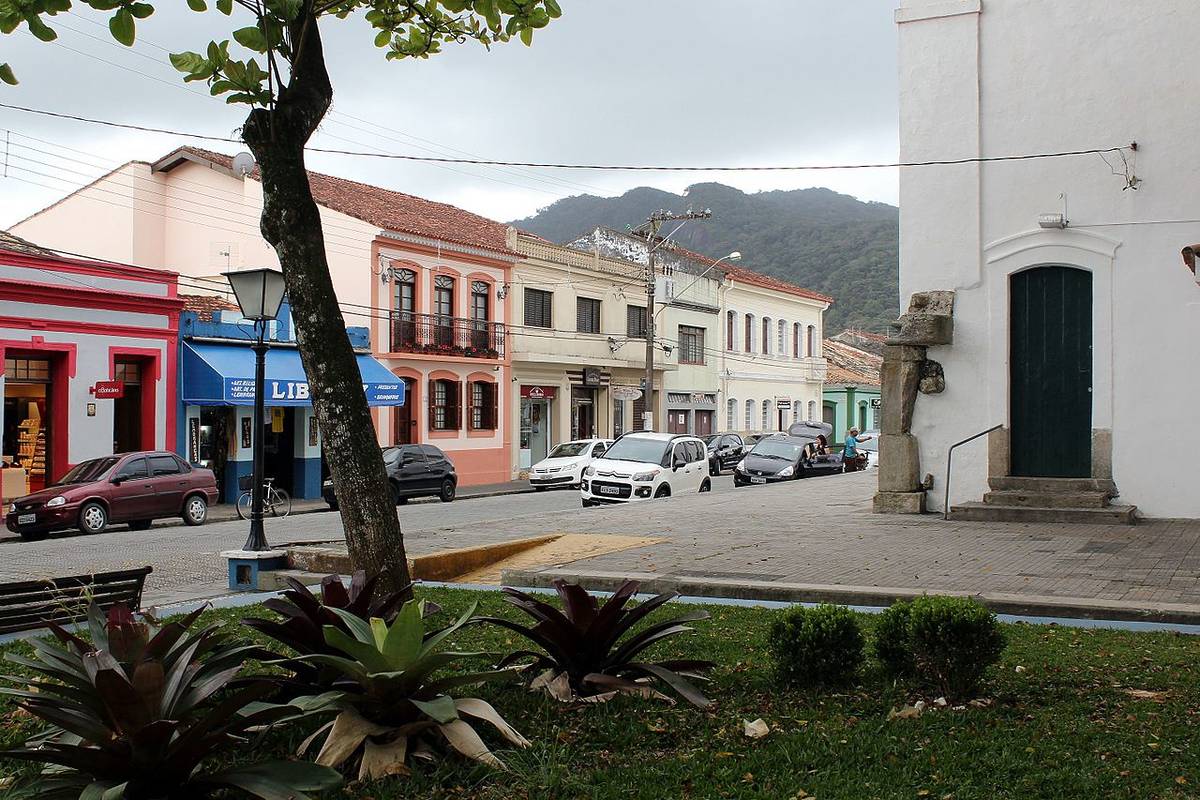
In addition to its impressive size, Iguape enchants with its exuberant nature and historical importance. Founded in 1538, it is one of the oldest cities in Brazil, preserving colonial mansions, centuries-old churches and traditions that have stood the test of time, all in a setting surrounded by rivers, mangroves and the Atlantic Forest.
What to do in Iguape?
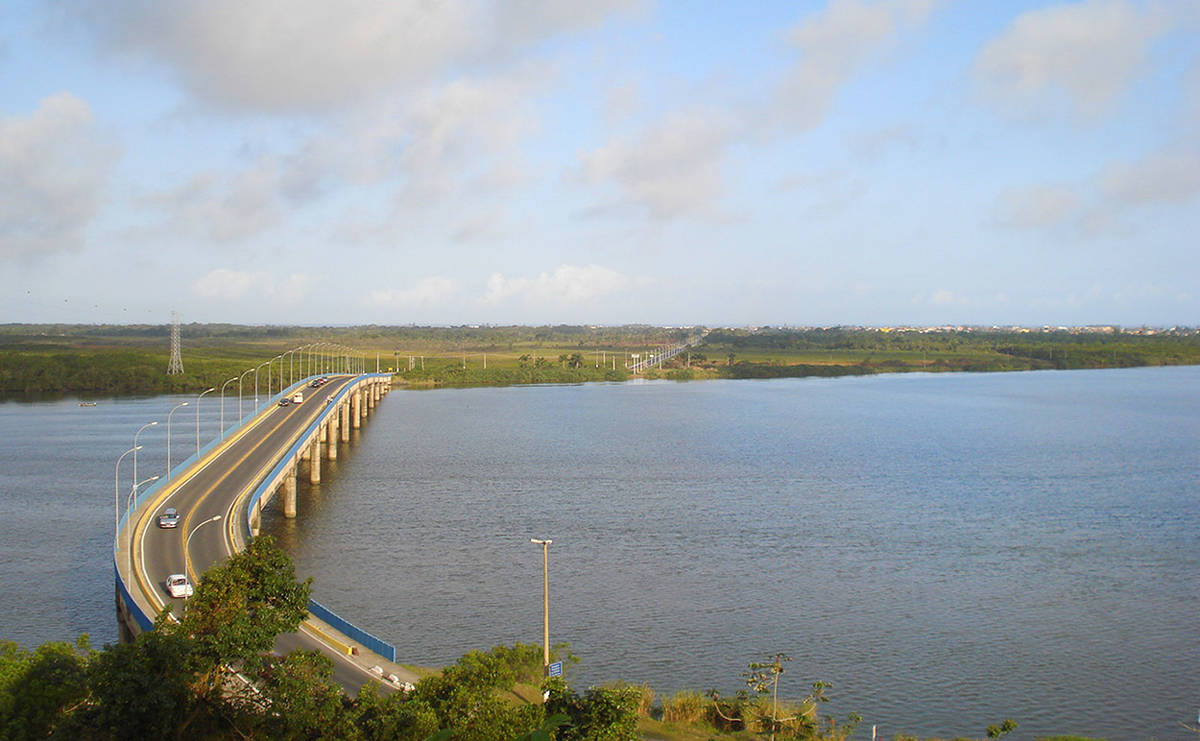
If you like nature, Iguape is a must! The municipality is home to one of the largest preserved areas of Atlantic Forest in the country and is part of the Iguape-Cananéia-Paranaguá Estuarine-Laguna Complex, recognized by Unesco as a Biosphere Reserve. Within its territory is the Ilha do Cardoso State Park, one of the main ecological sanctuaries in the Southeast.
There, you can explore trails, take boat trips along rivers and canals, watch birds and enjoy ecotourism in its purest form. In addition, Iguape’s historic center is home to relics of colonial Brazil, cobbled streets, colorful mansions and buildings that tell centuries of history.
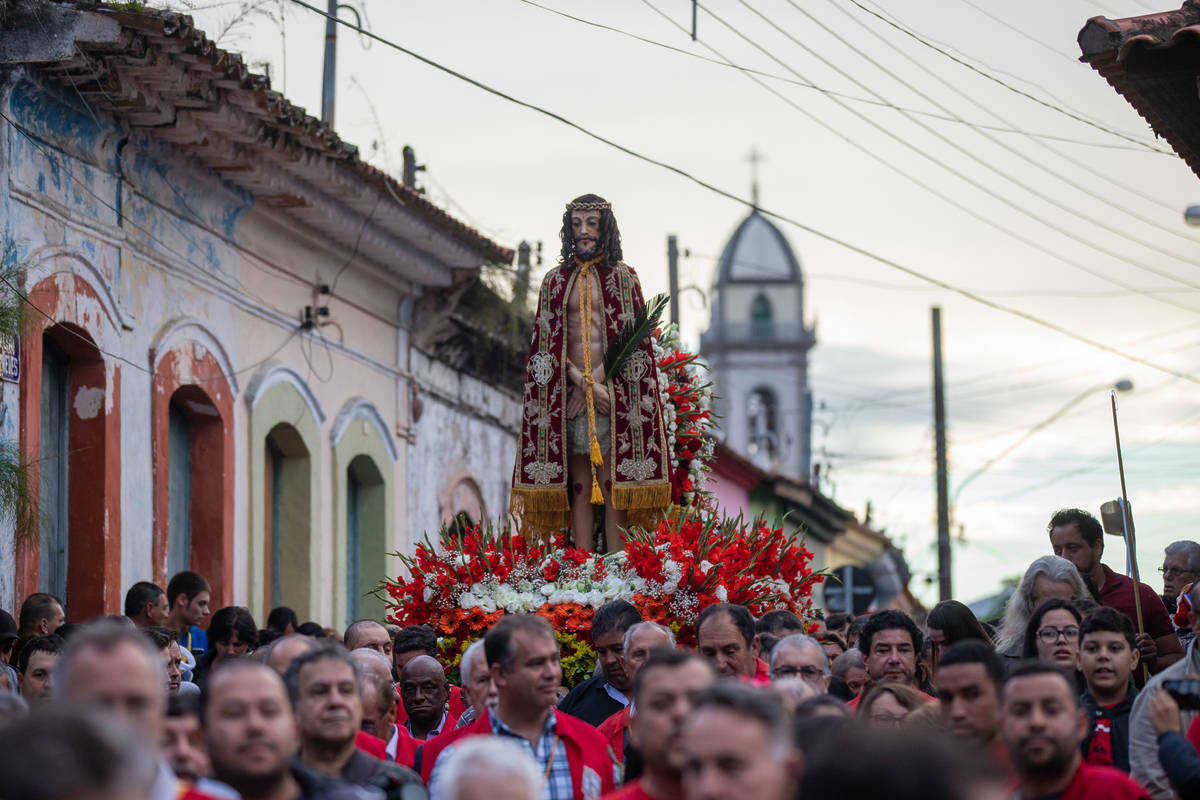
Among the city’s most notable events is the Bom Jesus de Iguape Festival, celebrated in August, which attracts thousands of visitors with processions, cultural performances and a lot of faith.
Visit Iguape
With just over 27,000 inhabitants, Iguape is a quiet, welcoming town, perfect for those who want to breathe in nature and immerse themselves in São Paulo’s history.
The best way to get to know the town is calmly: walk around the historic center, taste the local cuisine and enjoy the natural beauty of the Ribeira Valley. After all, Iguape is a true giant in terms of history, culture and biodiversity.