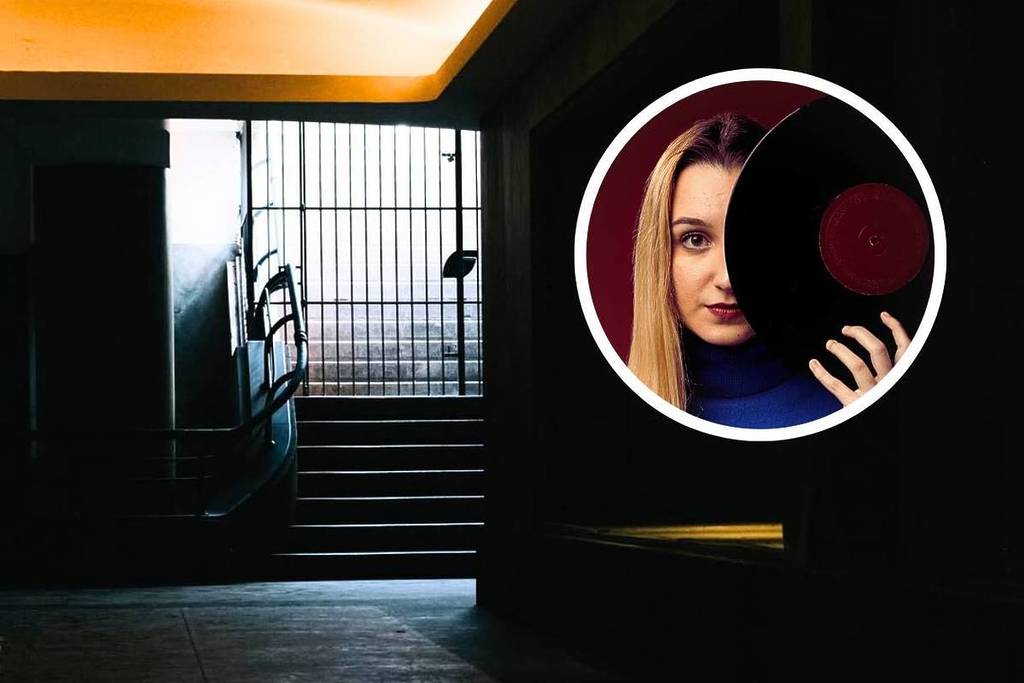
Those who like to venture into the center of São Paulo now have a new spot to visit: the Formosa Hi-Fi, a vinyl and high fidelity music bar which occupies Galeria Formosa. A historic underground passage which, after being abandoned for almost fifty years, is back on the scene as a symbol of the revitalization of the central region.
By opening its doors, Formosa Hi-Fi does more than bring a new listening bar to the capital: it allows São Paulo residents to (re)discover an iconic, listed space, full of history and memories of the city. But why has Galeria Formosa been forgotten for so long? Learn about its history below.
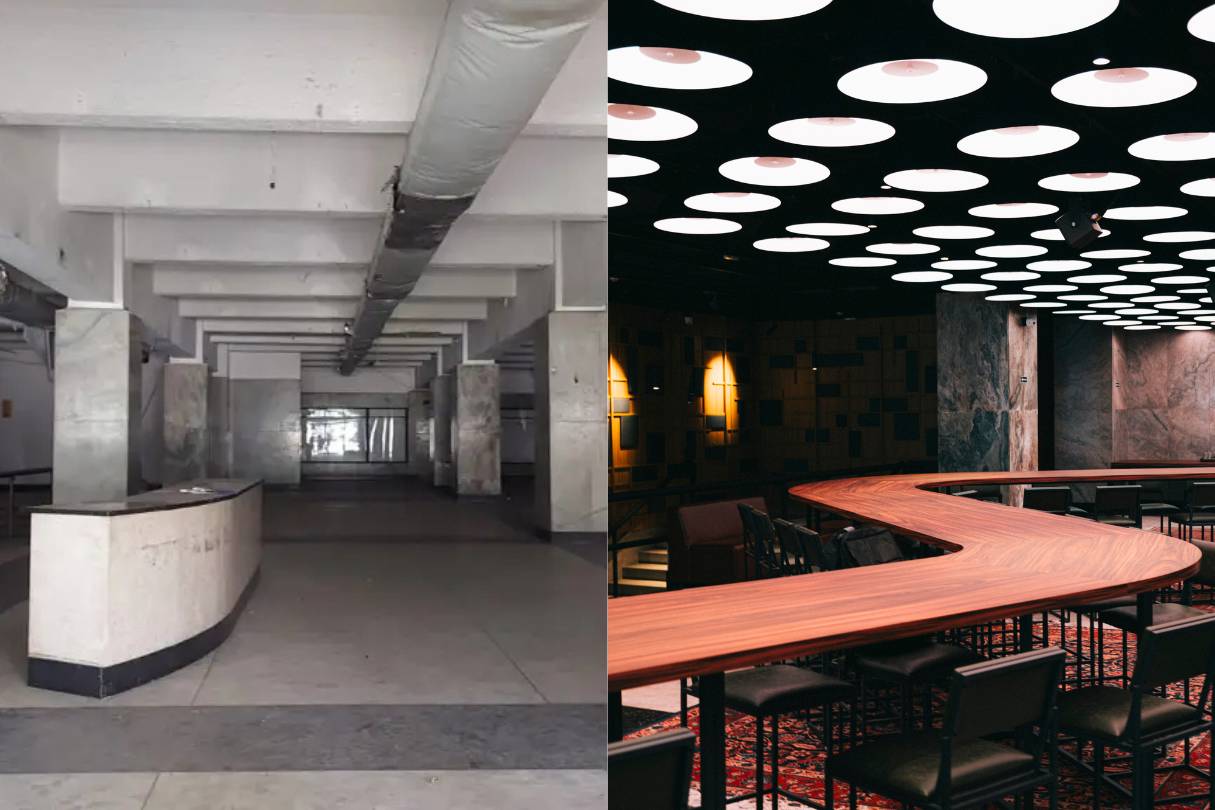
Discover the curious history of Galeria Formosa
The gallery opened in 1938, next to the Viaduto do Chá, as part of a series of urban planning projects to renovate downtown São Paulo. From the outset, its aim was to be not only a place to pass through, but also a place for meetings, culture and leisure.
Modernist writer Mário de Andrade, then São Paulo’s Secretary of Culture, dreamed of building a Brazilian cuisine restaurant there – an idea that never came to fruition. Even so, the gallery was given all the structure it needed to house a bar or restaurant.
Over the years, Galeria Formosa has functioned as a multifunctional space. From the 1940s onwards, it housed the Escola Municipal de Bailado, which offered training in classical and modern dance. There was also the Liga das Senhoras Católicas Restaurant, which offered meals at popular prices for the region’s working women, at a time when unaccompanied women were not always welcome in restaurants.
Underpass has hosted rehearsals by Elis Regina
Few people know, but Formosa has also hosted one of the most iconic names in Brazilian music. In 1975, on the eve of launching her most important show, “Falso Brilhante”, Elis Regina turned the underpass into her rehearsal studio.
With permission from the City Hall, the singer was able to occupy the gallery for a while. But the space was completely abandoned, so Elis herself had to get her hands dirty (or rather, her broom) and clean it up before turning it into a creative haven.
After that, the passage was closed to the public for almost half a century. But its cultural and modernist atmosphere has now returned with the opening of Formosa Hi-Fi, which has made use of the original structures of Mário de Andrade’s long-dreamed-of restaurant.
So, São Paulo’s underground once again breathes music, meetings and stories and it has become an iconic nightspot in São Paulo – and one that may well welcome other musical legends.