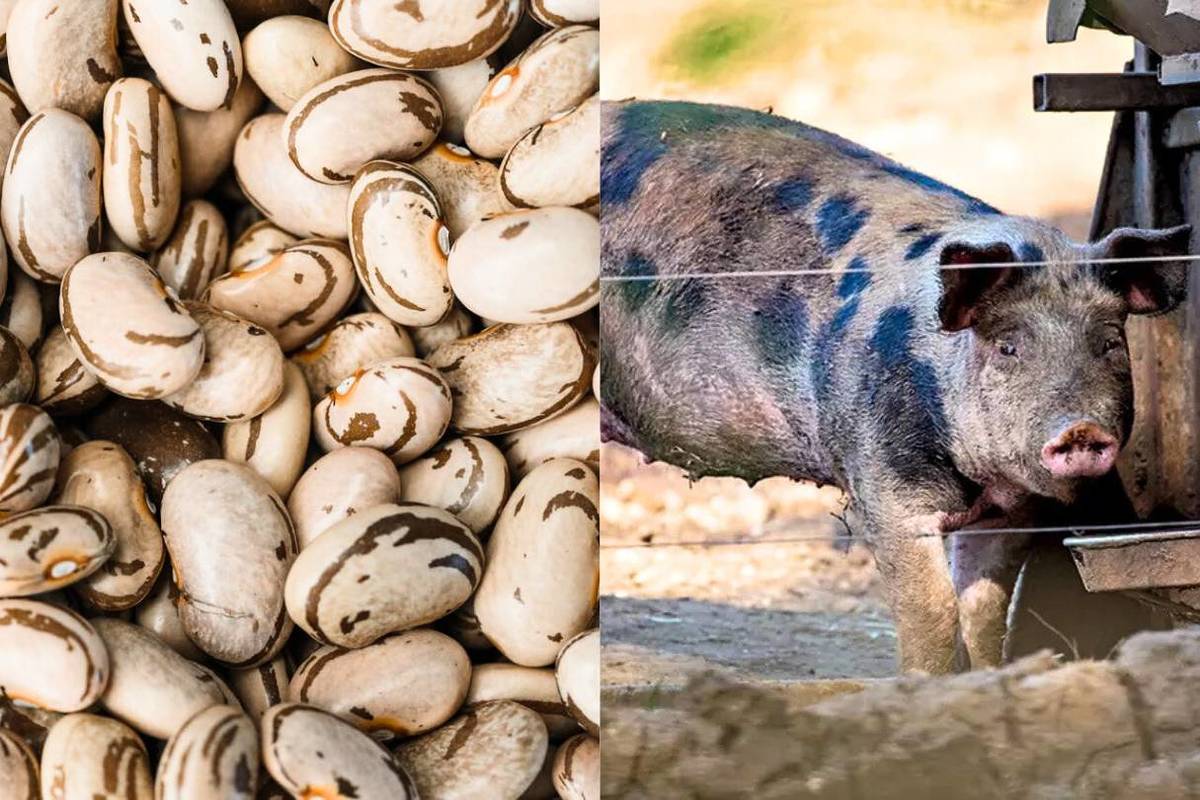
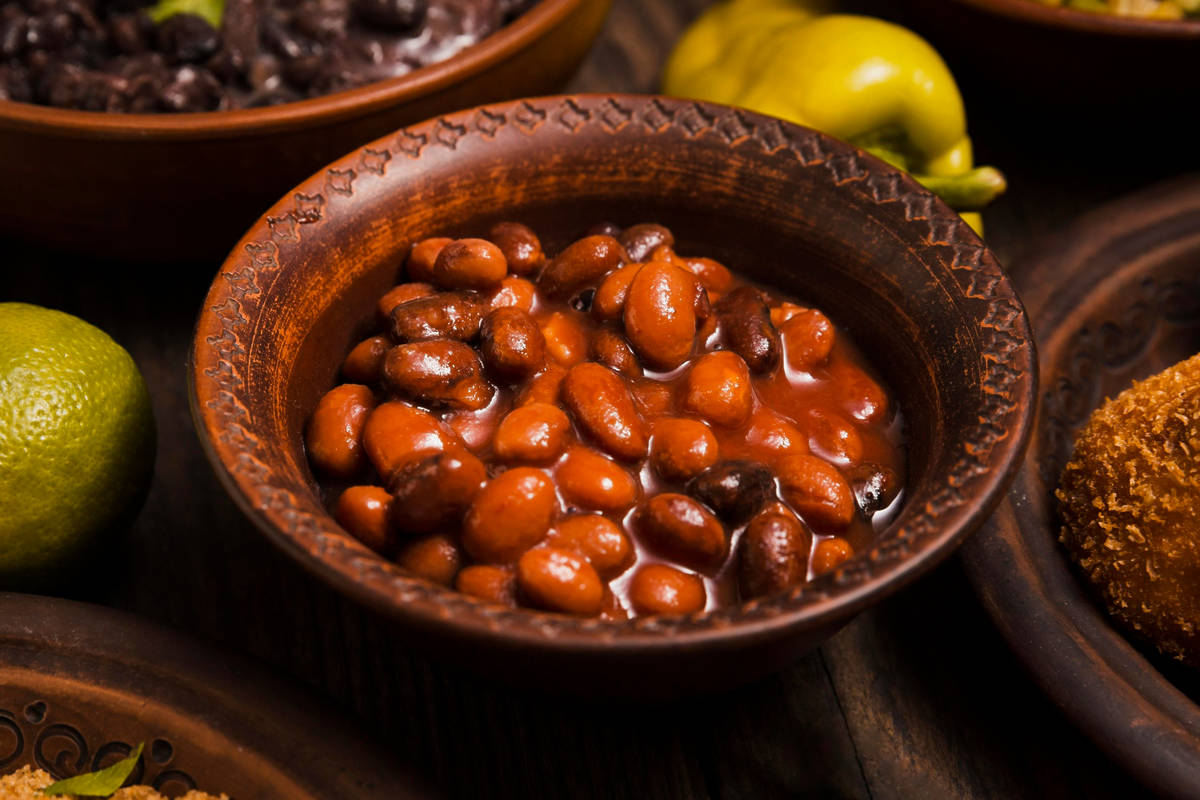
Carioca beans, also known as carioquinha, are one of the most widely consumed foods in Brazil. An inseparable companion to Brazilian lunches, it has become an indispensable grain in our daily lives, to the point of becoming a symbol of national cuisine.
What few people know, however, is that the carioquinha was not born in Rio de Janeiro. As ironic as it may seem, it was born… in São Paulo! More specifically in the inland town of Palmital, 420 kilometers from the capital.
It sounds like a lie, doesn’t it? But you can believe it: the carioca bean is actually from São Paulo. Get to know its history and understand the reasons behind this quiprocó.
How did carioca beans come about?
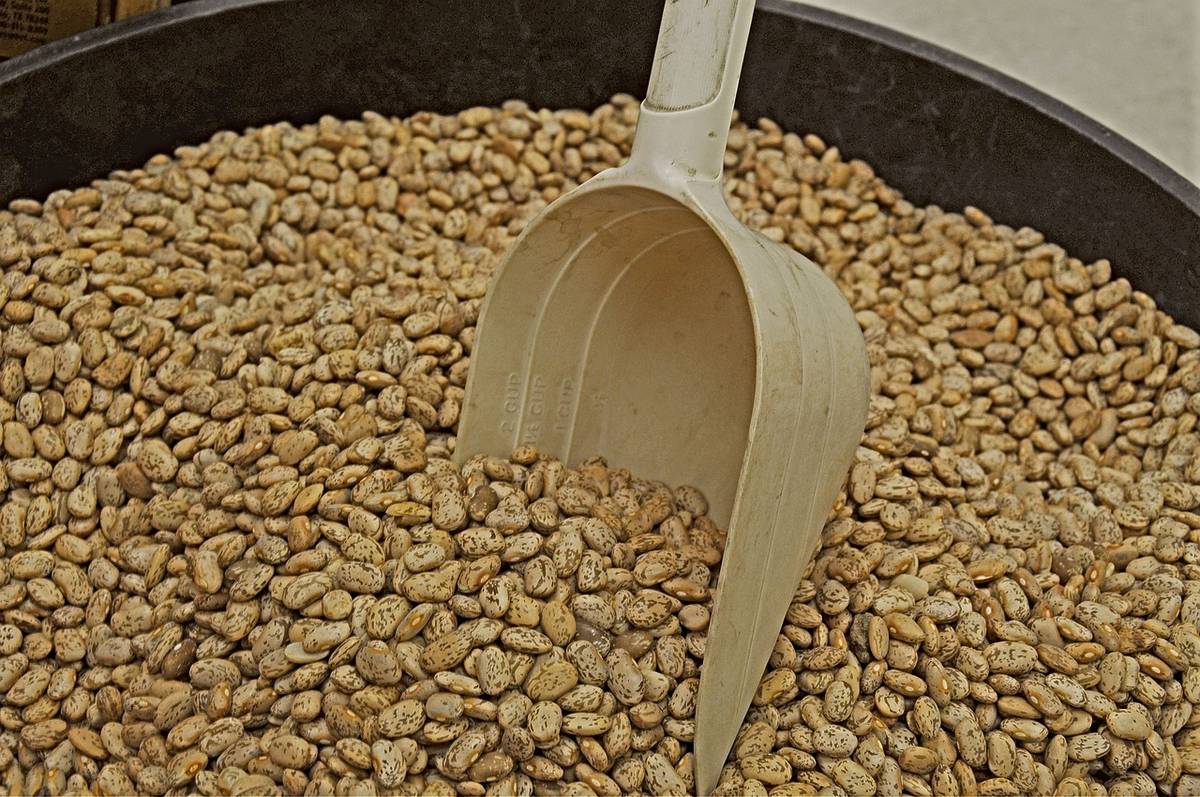
The answer lies in the 1970s, in a field of dark beans in Palmital. A spontaneous mutation caused the new beans to be born beige with brown stripes, which caught the grower’s attention.
The farmer called in the Agronomic Institute of Campinas (IAC), which, after studies, found that the new beans were more productive and more resistant to disease than the varieties that had existed until then. They were also softer and easier to cook.
For this reason, the carioquinha bean quickly won the approval of farmers and consumers, to the point of dominating the national market. So much so that it is currently Brazilians’ favorite variety, accounting for around 60% of all national consumption of the bean.
Why the name carioquinha beans if they were born in São Paulo?
Contrary to what many people think, the variety has nothing to do with Rio de Janeiro. The name comes from a breed of pig, the caipira carioca pig. The species was quite common in the interior of São Paulo, and for the local producers, the brownish stripes of the beans resembled the striped coat of the animals.
In other words, even though it bears the name carioca, the legume most loved by Brazilians is from São Paulo. And curiously, the cariocas themselves are not the biggest fans of their namesake bean – after all, going against national preferences, the most consumed variety in Rio de Janeiro is the black bean.