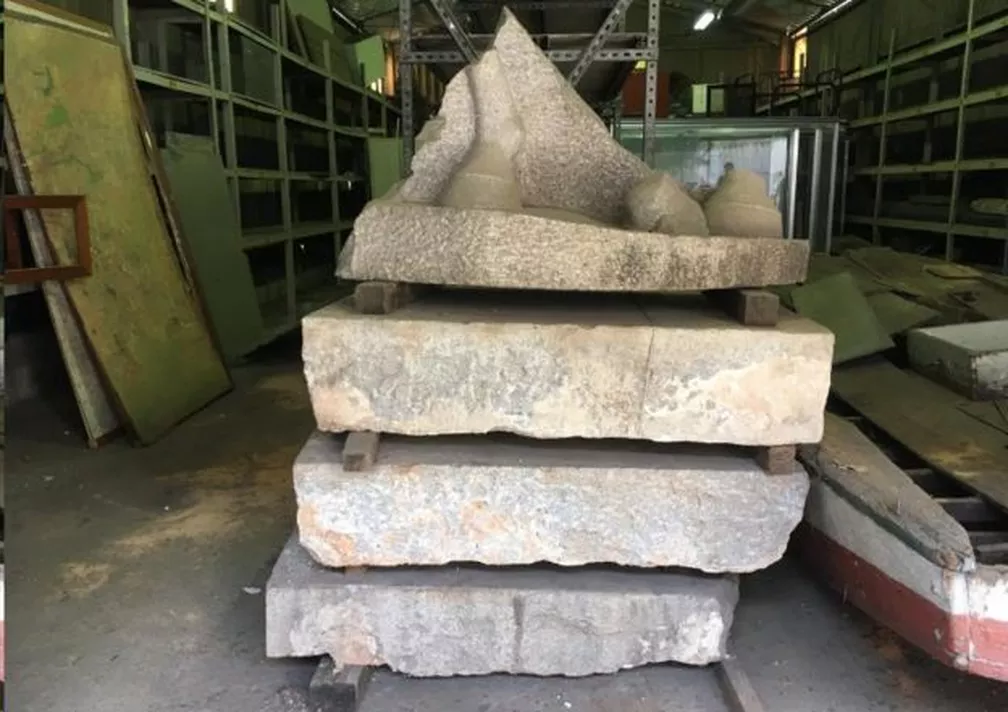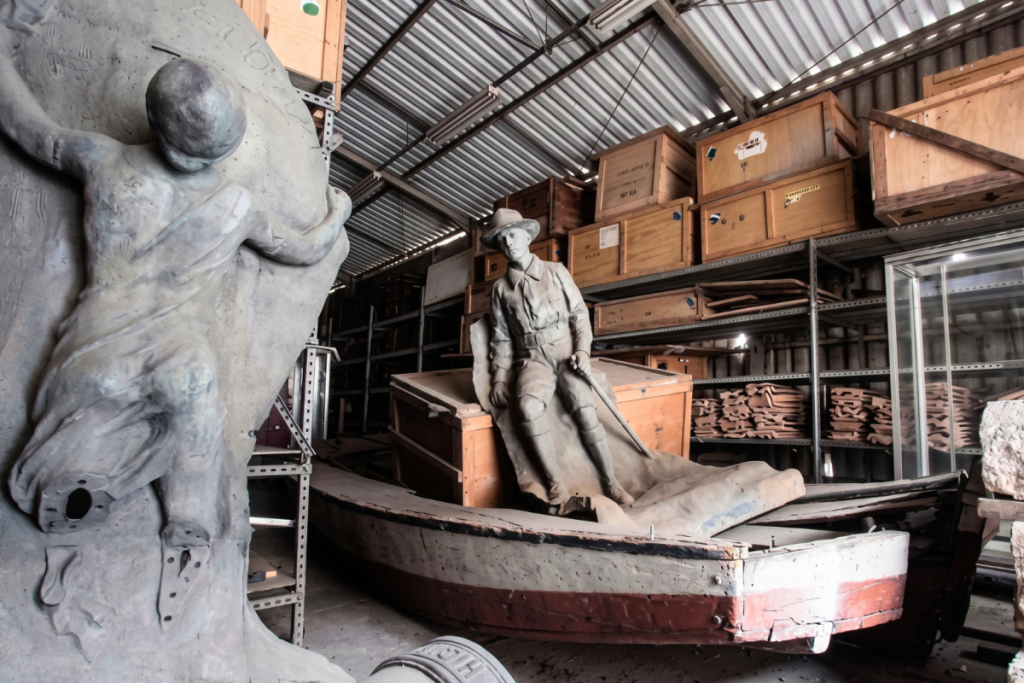

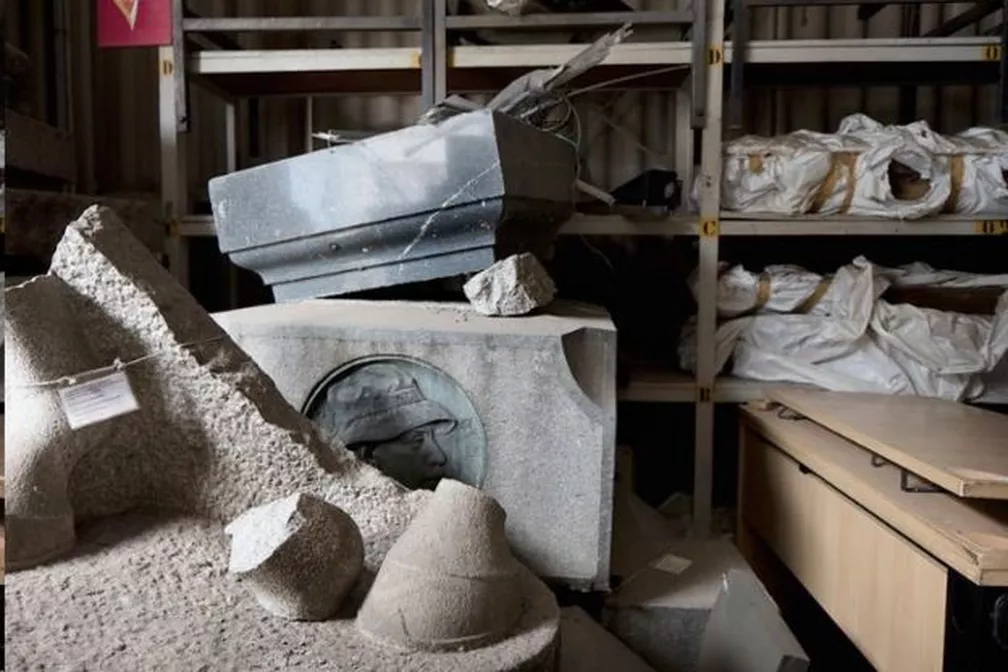
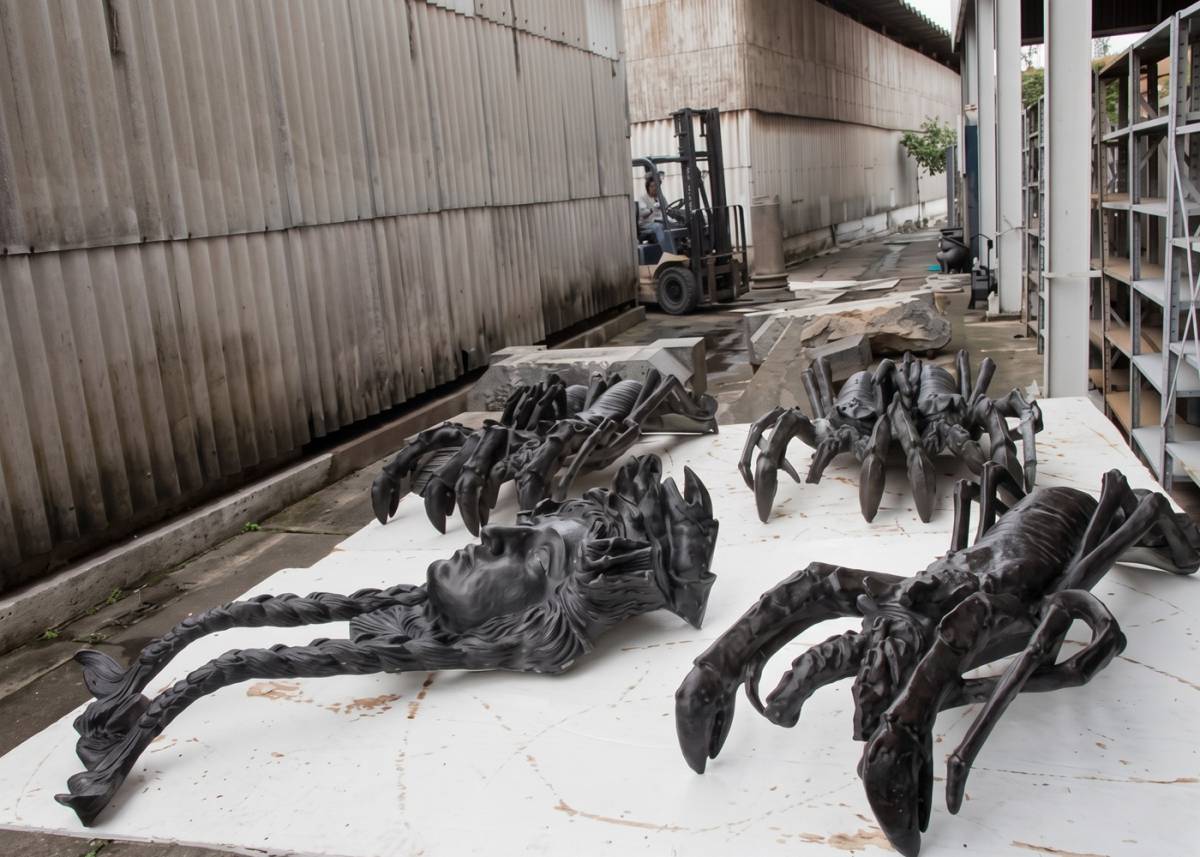
Have you ever heard of the Canindé Warehouse? Better known as the “Statue Cemetery, ” this municipal warehouse houses monuments, busts, and fragments of sculptures removed from public spaces in São Paulo. In other words, it is the final resting place for pieces that no longer serve their original purpose: adorning squares, honoring prominent figures, and beautifying the cityscape.
Canindé Storage Facility: Understanding São Paulo’s “Statue Graveyard”
The paths the statues took to the “cemetery” vary. Some were removed from public spaces to make way for overpasses or renovations to public squares, while others arrived damaged, victims of theft and vandalism. There are also monuments that have been stored away for political, moral, or ideological reasons.
One of the most famous works in the collection is the lobsters from the Monumental Fountain in Júlio Mesquita Square. The bronze sculptures, which earned the site the nickname “Lobster Fountain,” were stolen several times in the 20th century. As a result, City Hall stored the pieces at the Canindé Warehouse and replaced them with resin replicas that remain there to this day.
Another “resident” of the warehouse is the horse of Duque de Caxias— or parts of it. The statue honoring the patron of the Army was created by Victor Brecheret and, since 1930, has stood in Princesa Isabel Square in downtown São Paulo. In 1960, however, protesting military personnel struck the monument with a bomb. As a result, some of the horse’s hooves came loose and ended up in the Statue Graveyard.
The site also houses parts of the former Olavo Bilac Monument, dismantled in 1935 for road construction; the sculpture “Heroes of Aviation” by Mino Roque; and busts of figures significant to the city.
Could the “retired statues” return to the streets of São Paulo?
In theory, yes. City Hall states that the pieces from the Canindé Warehouse may return to public spaces, but the process is not as simple as it seems. Returning a statue to the city requires technical evaluations, resources, and a new relevant urban and social context to accommodate it.
In addition, some sculptures are incomplete, have lost parts, or suffer from severe damage. Because of this, returning them to their original locations is not always a viable solution.
Although the “Statue Cemetery” piques the curiosity of art and history lovers in São Paulo, the site is not open to visitors. As a result, the only way to get to know some of its “residents” is through photos, drawings, and the memories of those who were able to appreciate them in person.