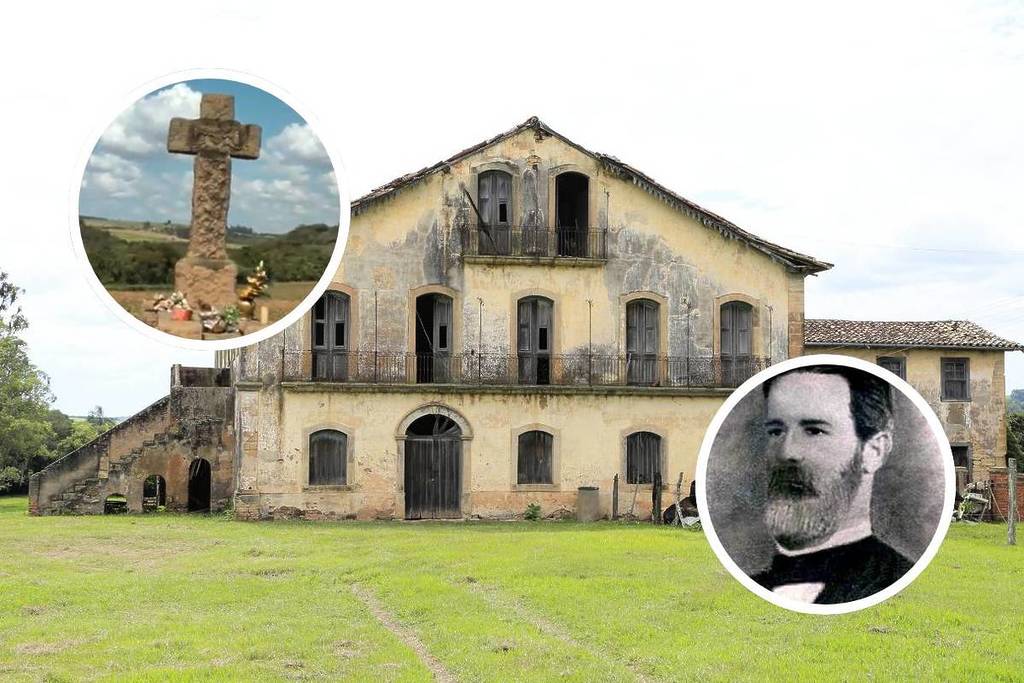

Fazenda Angélica, also known as Fazenda Grão Mogol, stands out as one of the most enigmatic rural properties in the interior of São Paulo. Built in the late 19th century, the Rio Claro estate continues to intrigue visitors to this day due to the macabre legends surrounding it and its reputation for being haunted.
Although the main mansion is private property and does not allow visitors, the grounds remain open and attract everyone from paranormal investigators to history buffs. Many of these curious visitors report a heavy atmosphere and even an inexplicable chill at the site, as if the horrors of the past still physically affect the living.
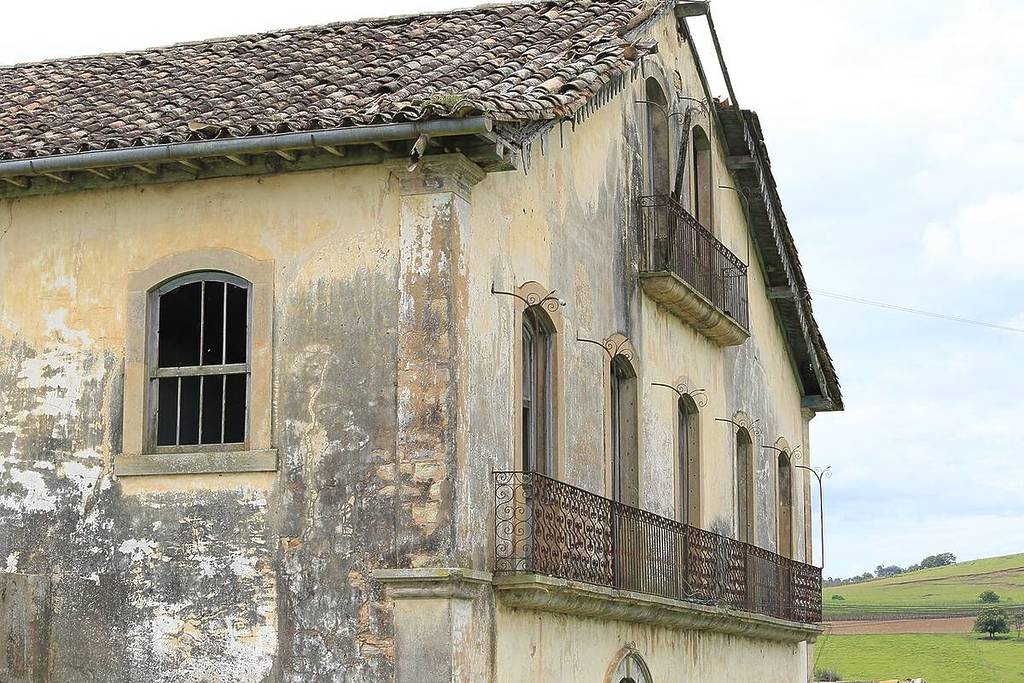
The Baron’s Legacy and Bahian Architecture in the Interior of São Paulo
Before uncovering the mysteries of Fazenda Angélica, it is important to understand its past. Initially, the property belonged to Senator Vergueiro, who named it in honor of his wife. In 1881, the Minas Gerais merchant Gualter Martins Pereira, the Baron of Grão Mogol, acquired the property and renamed it in honor of his homeland, in the hinterlands of Minas Gerais.
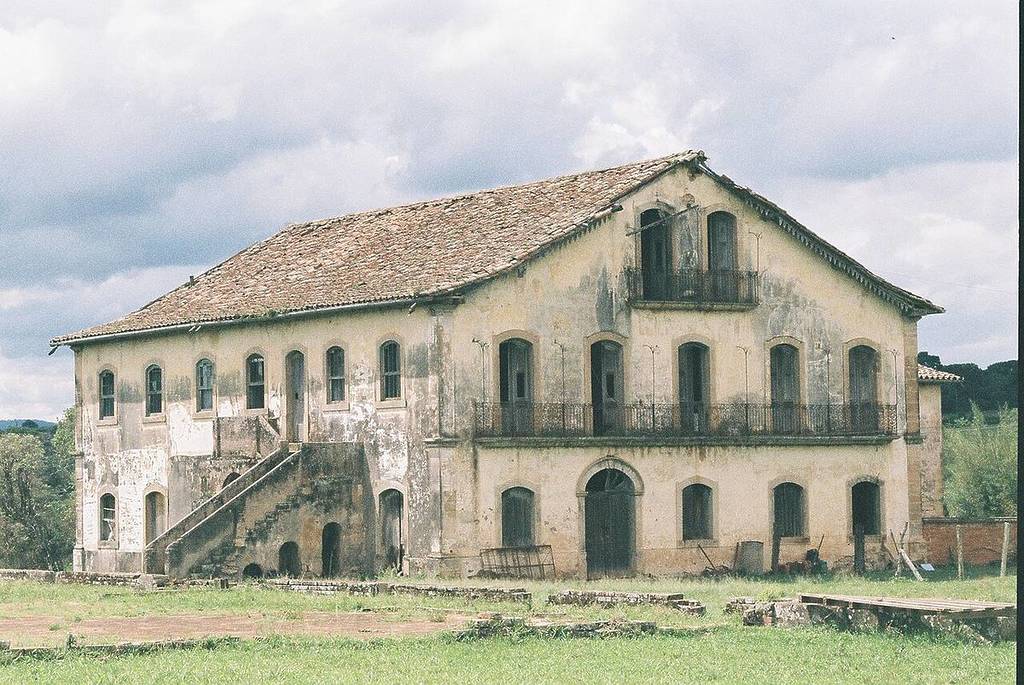
In 1883, the new owner completed the construction of a large L-shaped mansion, using slave labor brought from Minas Gerais and Bahia. The architecture of the Grão Mogol Farm differs from the São Paulo standard of the time, resembling the 19th-century townhouses of Bahia.
Because it is a unique example, Condephaat listed the main mansion as a historic landmark in 1987. Despite its historical importance, the property currently suffers from neglect and is in a critical state of disrepair.
A sadistic or progressive baron?
Fazenda Angélica is shrouded in intriguing stories that blend factual events with popular legends. We know for certain that, like other estates of the time, the site operated through the exploitation of enslaved people.
While some sources suggest that the Baron of Grão Mogol acted with sadism —ordering, for example, that overseers drown enslaved people—other historical records describe him as a progressive man. He is said to have freed enslaved people even before the Golden Law, supporting the end of that system and anticipating the transition to immigrant labor.
Another mystery concerns the Baron’s wife. One legend claims that he kept the Baroness locked in the attic for seven years after she discovered he was cheating on her with a young enslaved woman. On the other hand, historical accounts suggest that she suffered from depression and voluntarily retreated to the attic during times of crisis.
Finally, a proven fact that adds even more layers to the narrative: thirty years after the Baron’s death, his granddaughter found a document in which he requested to be buried alongside his former enslaved people. Thus, his remains remain to this day in the farm’s cemetery, forever sealing his connection to that land.