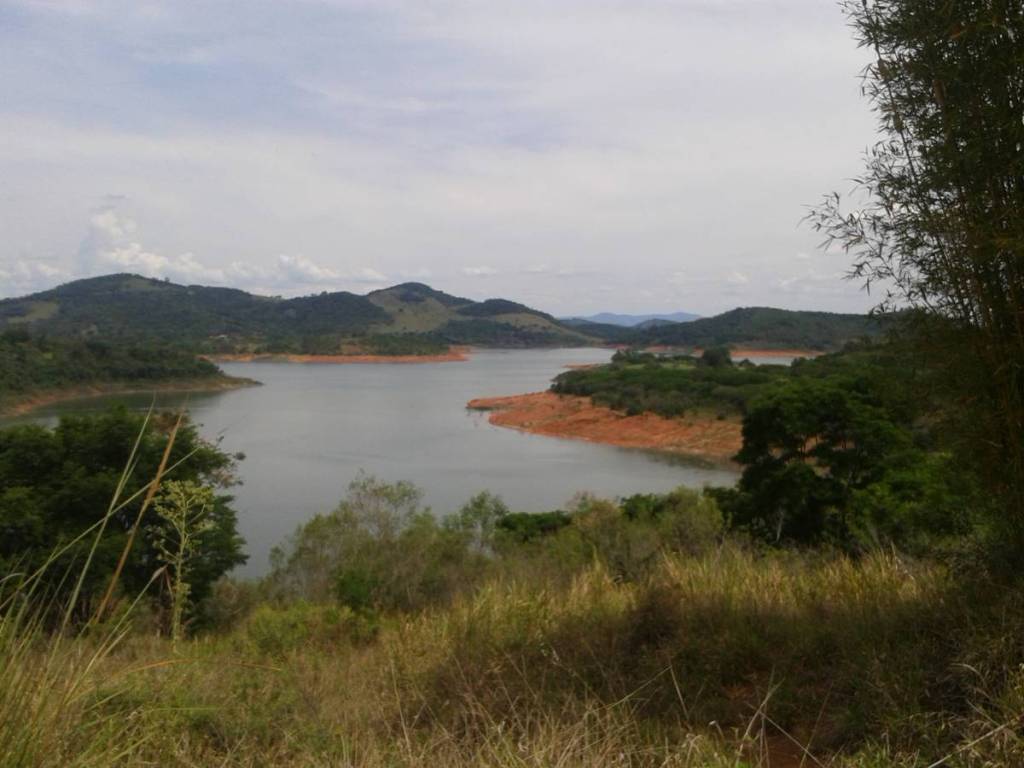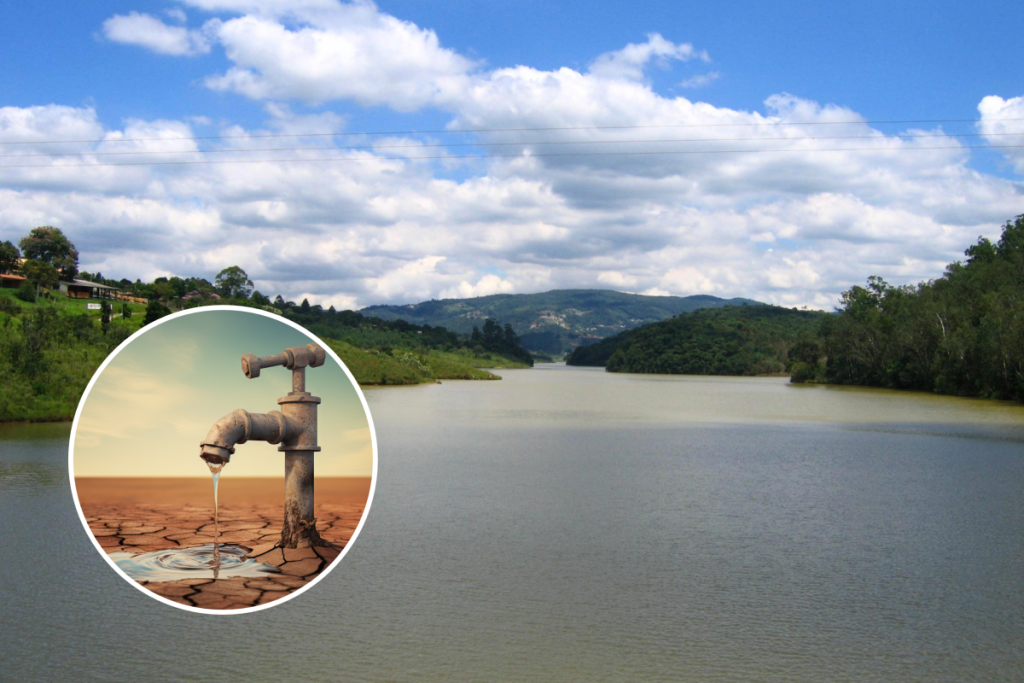

The drop in water levels in the Cantareira System has surprised many people. After all, what we’ve been seeing most of late is rain in São Paulo. Although it seems contradictory, the phenomenon is yet another consequence of El Niño 2026, which causes changes in global wind patterns.
Although many residents of São Paulo find the drought in the Cantareira System puzzling, recent storms have flooded only the streets of the capital—not its reservoirs. This “climate paradox” creates an illusion of water abundance in the city, when, in fact, the water sources are in a state of alert.
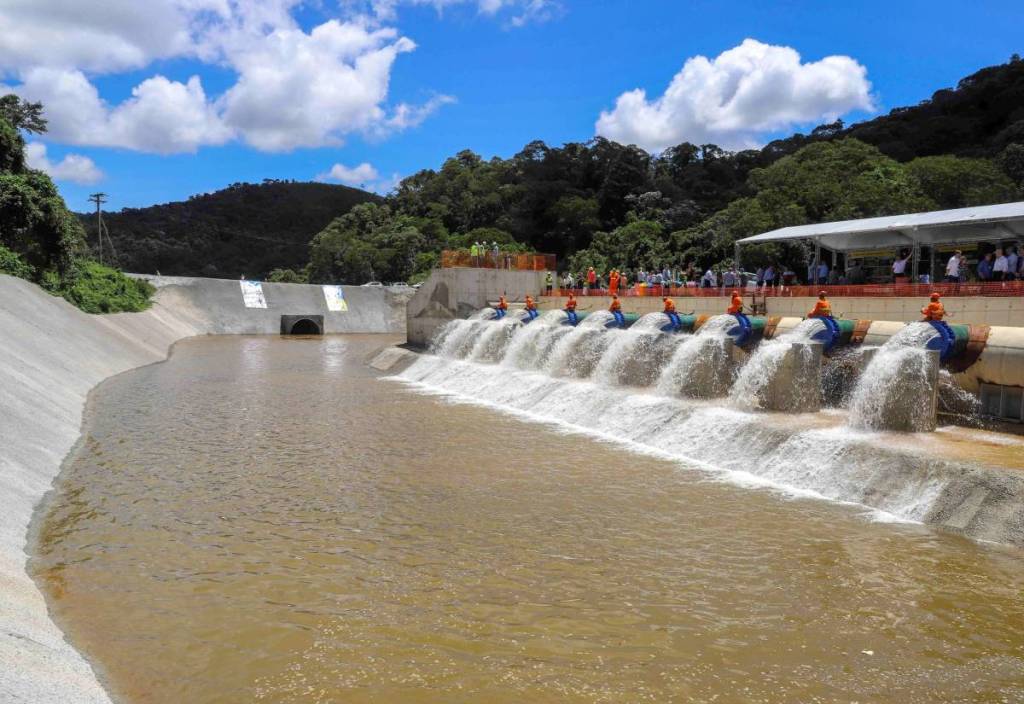
Drought in the Cantareira: It rains in the capital, but not in the system’s watershed
Many people believe that rain in the capital fills the metropolis’s main reservoirs. However, São Paulo’s runoff flows into the Tietê and Pinheiros river basins, which supply only reservoirs in the metropolitan region, such as Billings and Guarapiranga.
The watershed that supplies water to the Cantareira System lies dozens of kilometers away, spanning the Bragantina region and southern Minas Gerais. Thus, for the Cantareira’s water level to rise, rain must fall in sufficient volume and with consistency in those areas—not in São Paulo.
The Cantareira is the largest of Sabesp’s systems, responsible for supplying up to 58% of Greater São Paulo’s residents. For this reason, despite the distance, the drought in its watershed directly affects those living in the capital.
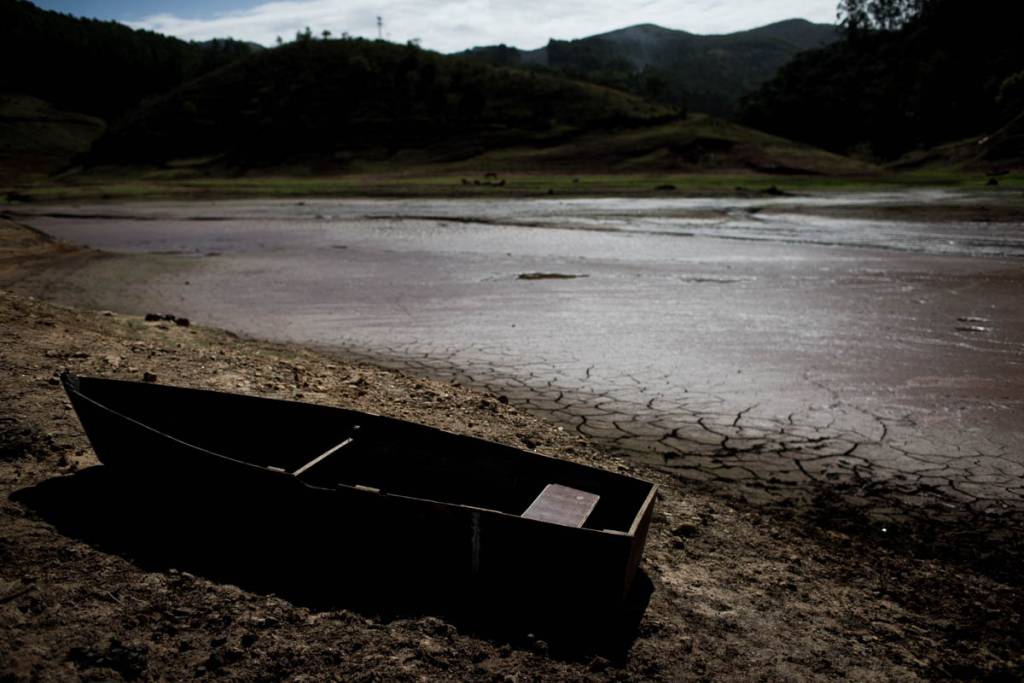
Why does it rain more in São Paulo than in the Cantareira basin?
São Paulo’s urbanization attracts a large portion of summer storms. The large number of buildings and paved surfaces creates a “heat island” that overheats the air during the day. In addition, smoke and pollution facilitate the condensation of water droplets in the sky. When the humid ocean breeze encounters this pocket of hot, polluted air, storms hit Greater São Paulo with full force.
On the other hand, the interior of São Paulo state and southern Minas Gerais are suffering the consequences of El Niño. The abnormal warming of the waters of the Pacific Ocean is shifting the South Atlantic Convergence Zone—the Amazon’s moisture corridor that brings rain to the region. As a result, storms are confined to the capital, while the interior faces dry, sunny days that prevent the water level of the Cantareira System from recovering.