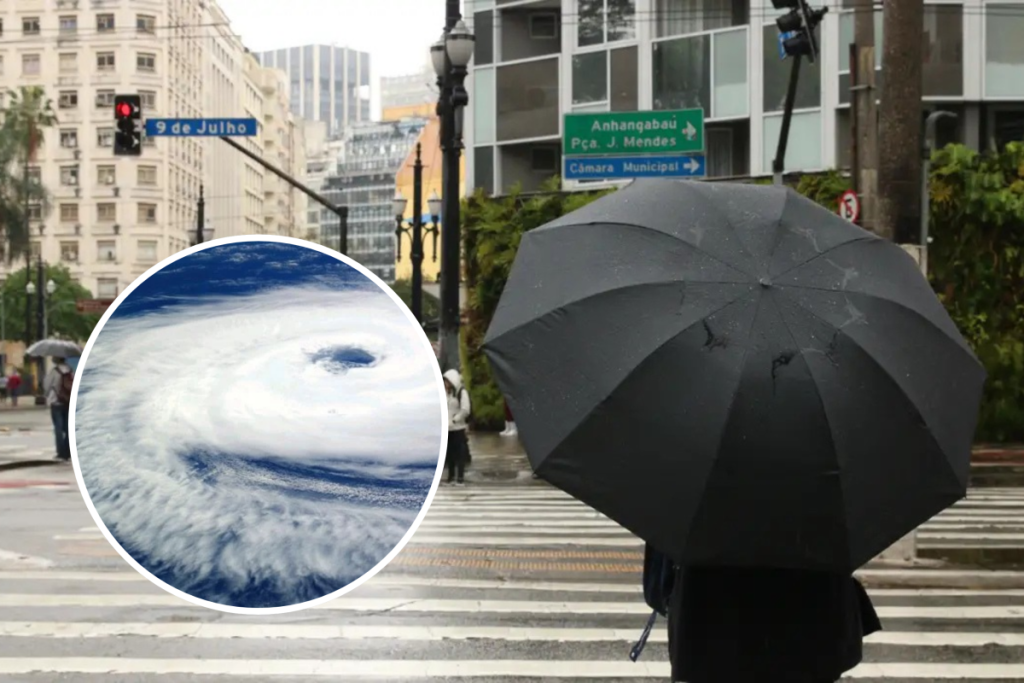

You may have noticed that the weather has been unstable in São Paulo: rain alternates with brief sunny spells, causing daily changes to the plans of those who want to explore the city. El Niño 2026 is one of the phenomena behind this situation, altering atmospheric circulation and temperature and precipitation patterns. However, there are other factors influencing the unstable weather in São Paulo.
This Thursday, the 15th, 60 millimeters of rain is forecast for São Paulo—almost half of what is expected for the month. In this case, an extratropical cyclone forming in the Atlantic Ocean is also a contributing factor; its winds are bringing cold fronts to the Southeast.

How will El Niño affect São Paulo in 2026?
El Niño occurs due to the abnormal warming of the waters of the Equatorial Pacific. The high temperatures alter wind circulation and moisture transport, affecting temperatures and rainfall in different parts of the planet.
In other words, this is not a large mass of warm air, but rather an exceptional interaction between the ocean and the atmosphere, which disrupts historical patterns in various regions.
El Niño is forecast to cause above-average precipitation in the second half of 2026. The phenomenon is expected to persist through the first half of 2027, peaking in December of this year.
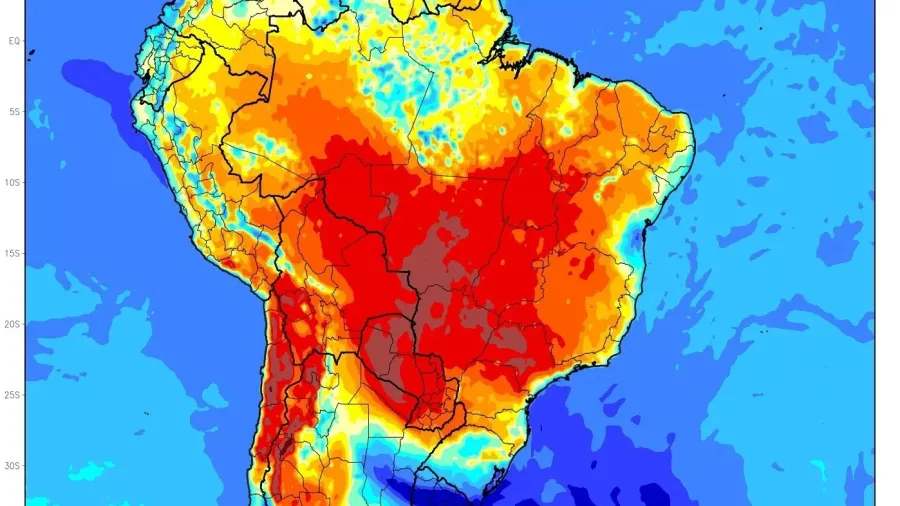
How do cyclones, cold fronts, and El Niño relate to rainfall in São Paulo?
Each phenomenon operates on a different scale. El Niño continues to exert a persistent influence over the course of months, while the cyclone is a one-time event that helps shape (or disrupt, depending on your point of view) São Paulo’s weather this week.
The large-scale circulation of winds around an area of low pressure (the cyclone) leads to the arrival of a cold front and the formation of rain. However, it’s important to note that the center of the phenomenon remains over the ocean, with no risk of tornadoes on land.
So, always check the weather forecast before scheduling outdoor activities. In case of an emergency during storms, contact the São Paulo Civil Defense (199) or the Fire Department (193).