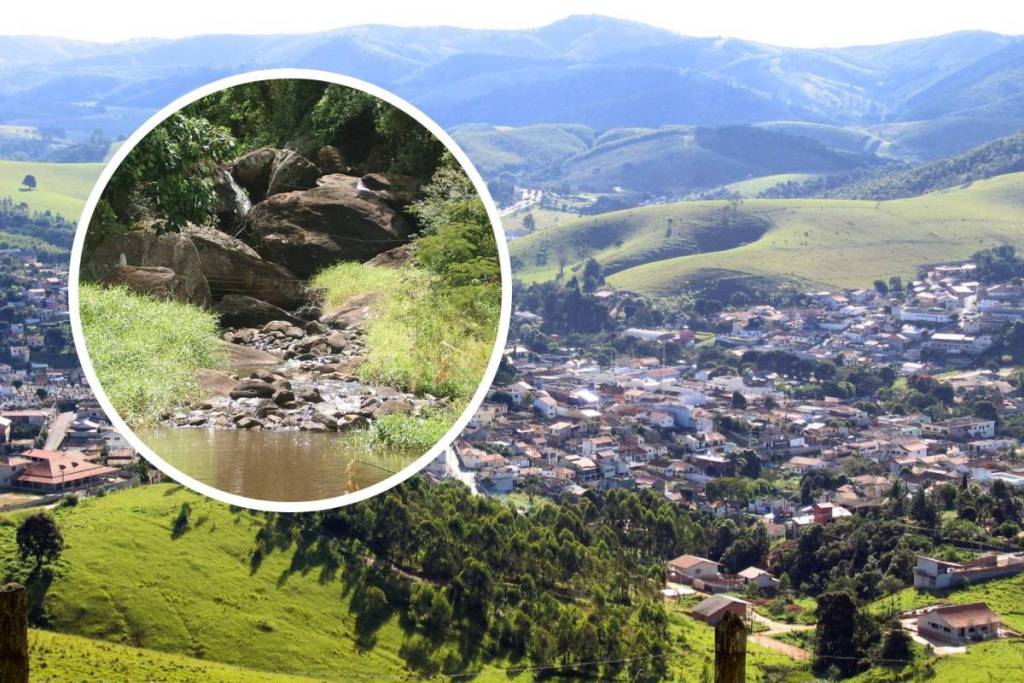

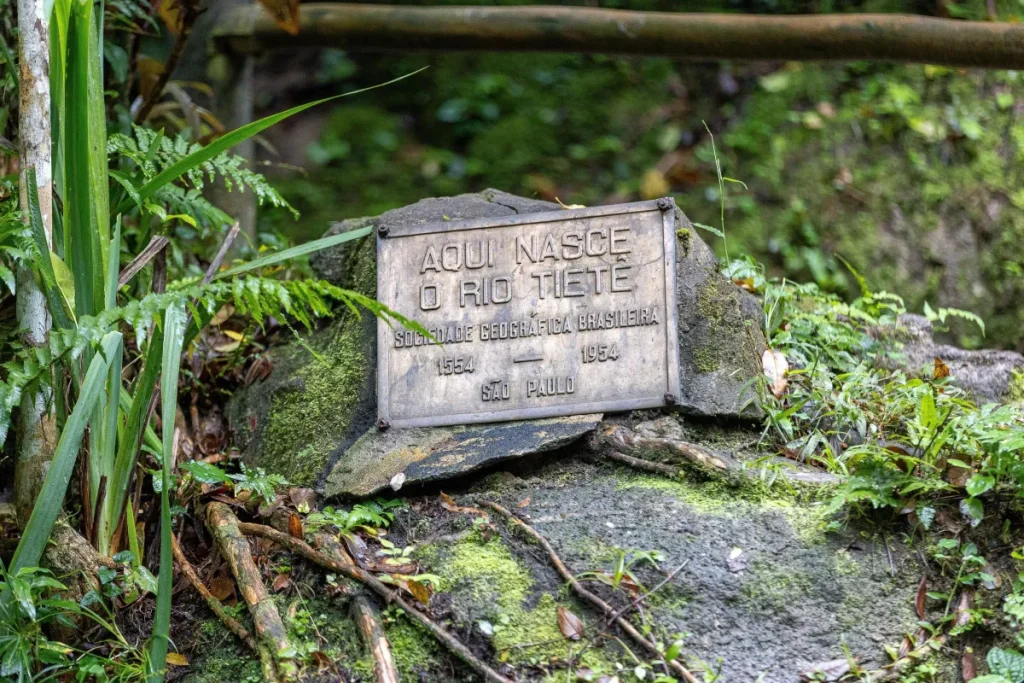
For anyone looking for things to do in Salesópolis, the first answer will always be nature. After all, this municipality in the interior of São Paulo is home to the headwaters of the Tietê River! Unlike what we see in the metropolis, the source lies in the heart of the Atlantic Forest, surrounded by trails and waterfalls with crystal-clear waters.
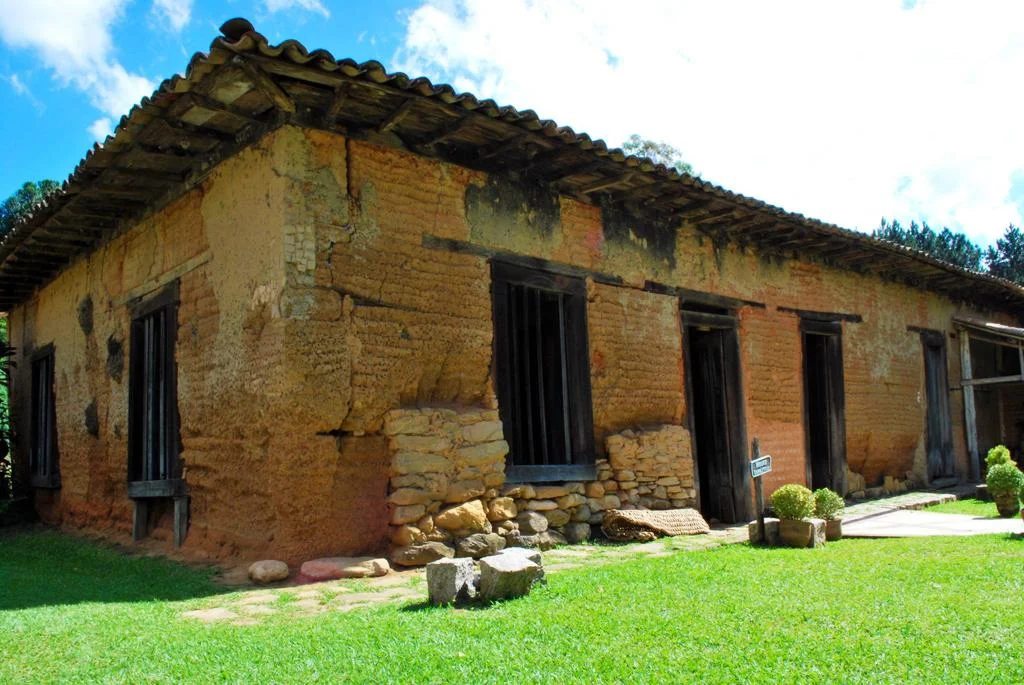
Located about 105 kilometers from the capital, the municipality is also home to cultural attractions, such as an 18th-centurycolonial mansion. Built during the era of slavery, it reveals a harsh—yet not to be forgotten— aspect of São Paulo’s history.
Where the Tietê River begins: clean, crystal-clear water in Salesópolis, SP
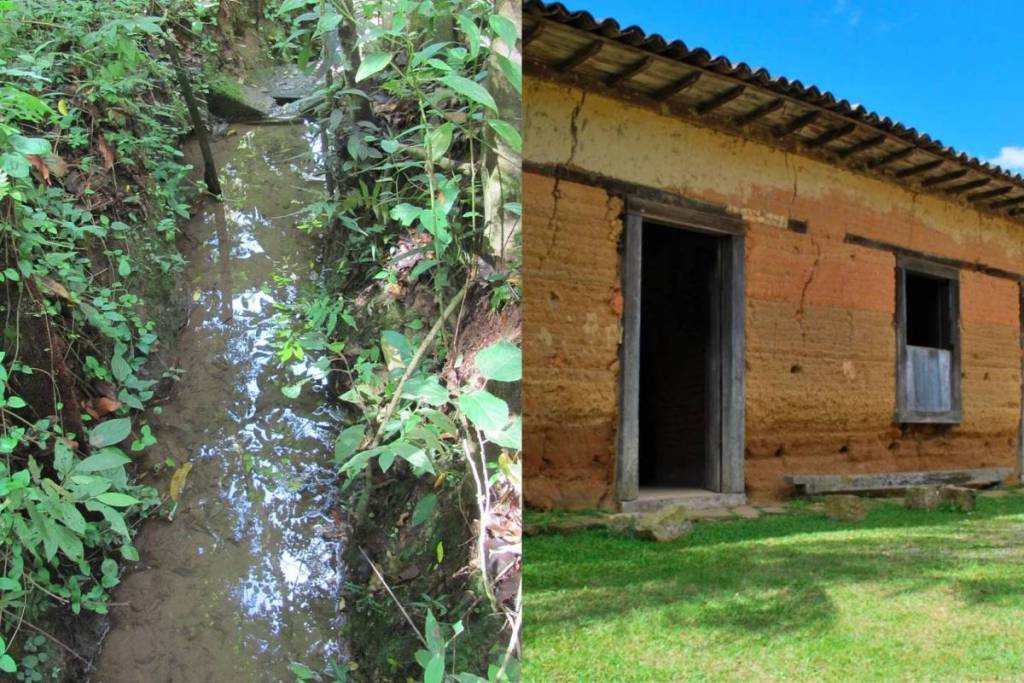
The water springs forth at Nascentes do Tietê Park, in the Pedra Rajada neighborhood. There, the spring flows quietly, forming the first trickles of what will become São Paulo’s most important river.
Seeing the Tietê River in Salesópolis—still clean and narrow—is an experience every resident of São Paulo should have at least once in their lifetime. While in the capital the river is synonymous with foul odors, neglect, and pollution, its small headwaters show us what the river could be like: crystal-clear and well-maintained, allowing us to swim and even drink water straight from the source.
In addition to the source of the Tietê River, the park features more than 134 hectares of trails, waterfalls , and native forest. Interestingly, until 1954, the situation was quite different. The area had suffered degradation due to logging and only began to recover in 1990, when it became a state heritage site of São Paulo.
The Mansion, Memory, and Other Attractions
When it comes to history, the Casarão Senzala is the most important site in Salesópolis. The wattle-and-daub structure served in the 18th century as a place for buying and selling enslaved people. Today it operates as a restaurant, preserving the building’s original structure.
But Salesópolis offers many other options for those who want to extend their itinerary. Highlights include the Ponto, Porteira Preta, and Tobogãwaterfalls, as well as Pinheirinho Park and the Paraitinga RiverReservoir. The town is also home to the Energy Museum, located on the site of a former hydroelectric plant surrounded by Atlantic Forest, featuring hiking trails and educational activities.