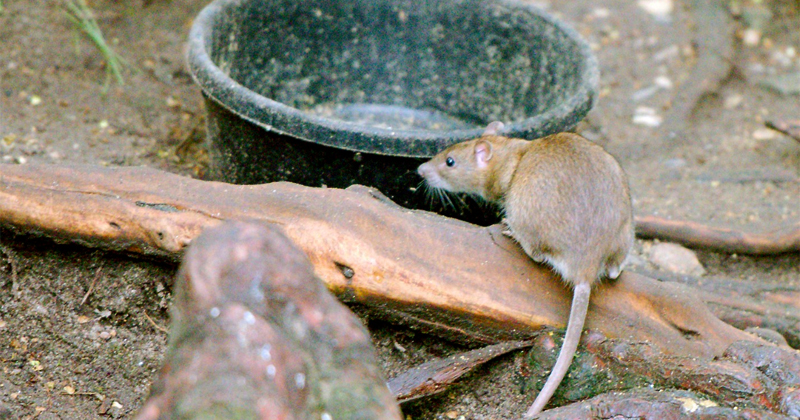
São Paulo’s population is one of the largest in the world, but one species seems to dominate the city’s alleys and streets – rats. Studies estimate that the city is currently home to more than 120 million rodents, as opposed to “only” 13 million people. In other words, there are more rats than humans in São Paulo.
These animals have been present in the city for over a century, adapting easily to urban conditions. So much so that rats are no longer confined to the sewers. They circulate through busy streets, squares and galleries, revealing a serious public health and environmental problem.

Why are there so many rats in São Paulo?
The rodent problem began at the beginning of the 20th century, when São Paulo expanded exponentially. As the city grew, sewage and household waste in the streets multiplied, offering them food and shelter. In addition, urbanization contributed to rising temperatures, creating the ideal scenario for the reproduction of these animals – which can have up to 16 offspring per litter each month.
In other words, the urban chaos of metropolises is fertile ground for the proliferation of rats, and São Paulo is no different. Experts estimate that there are 10 to 15 rats for every São Paulo citizen, which indicates an overpopulation that is difficult for health workers to control. And it’s growing all the time.
Among the dangers of this infestation are diseases transmitted by rodents, such as typhus, bubonic plague, salmonella and leptospirosis. The latter even causes as many deaths as dengue fever in São Paulo. Exposure occurs mainly through contact with animal urine, especially in flooded or poorly sanitized places.

How can infestations be contained?
To contain the presence of rats in São Paulo, the Zoonosis Control Center runs population control and sanitation programs. In addition, the competent bodies frequently carry out deratization actions at strategic points, such as the Municipal Market and the Viaduto do Chá.
But prevention also comes from the population. Simple actions, such as keeping garbage tightly closed, avoiding the accumulation of debris and sealing g aps, can prevent rodents from entering homes. In the case of persistent infestations, it is worth calling in a rodent control service for an effective fight, contributing to a cleaner and safer city.