

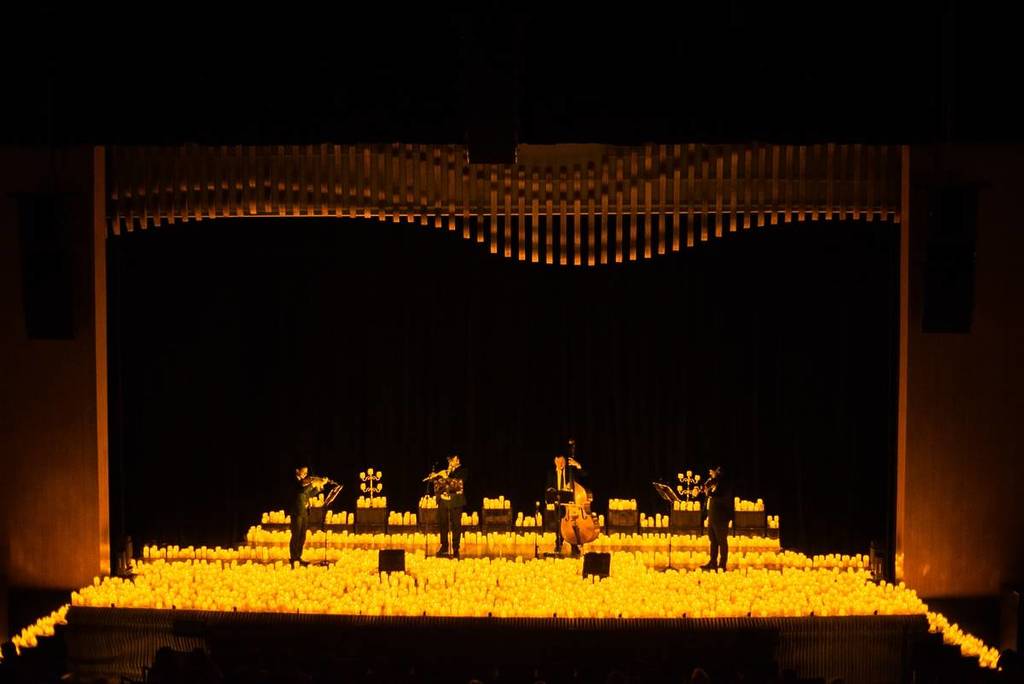
The light of thousands of candles begins to flicker, the bow touches the string, and suddenly, time seems to stand still. The audience sees only the final result, but the creation of this atmosphere begins long before the first note is played. Behind experiences such as the Candlelight concerts and other Fever Originals events, an international team of music curators works behind the scenes to select repertoires, identify talent, and ensure the highest artistic standards at every concert. It is this meticulous work that transforms live performances into exciting and memorable experiences for audiences around the world.
Introducing the Fever Music Team: the architects of the invisible
The alchemy between knowing and feeling
Don’t be fooled by the soft glow of the flames: the Fever Music Team runs a surgical-precision operation led by people who live and breathe music. The team is made up of professionals with impressive backgrounds marked by academic and artistic rigor.
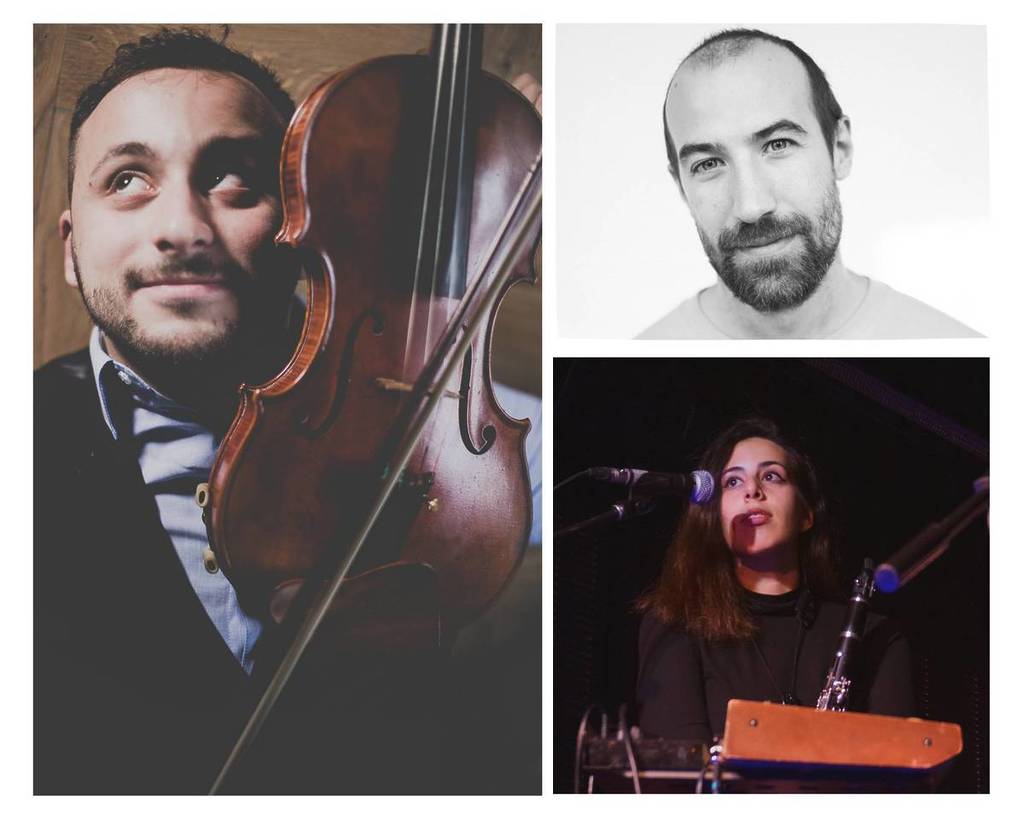
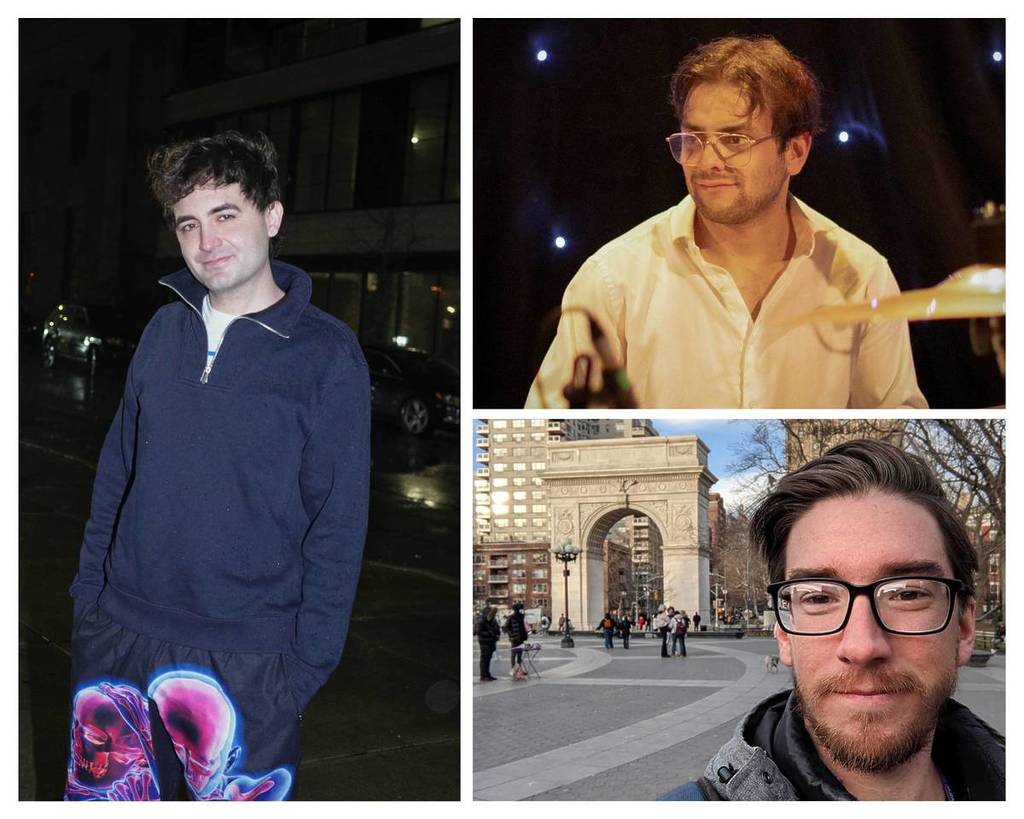
“There are 14 of us in the curatorial team, most with a classical background, though we represent a wide range of experiences,”explains one of the members. “We have Andy, who has a PhD; Lulu, who studied musicology at Oxford; Ricky, who was a professional actor on Broadway; and Javi, who has performed with Europe’s leading orchestras.”
This diversity is no accident. One of the curators highlights the depth of this expertise:“I have a master’s degree in Afro-Latin music and a doctorate in piano with a focus on ethnomusicology, specifically the music of Brazilian composers.”It is this intellectual arsenal that allows the shows to move from classical to pop with complete authority.
Our perspective is global, but our heart is local
Although it is a global team based in hubs such as New York, Madrid, and Seoul, each region has a curator with deep insights into market research . With the company growing at a rapid pace, the team needs to act strategically to map out the landscape of each country.
“I can’t rely solely on what the data says. I always like to have someone close to that culture give me their opinion,”reveals a curator. “Different markets favor different elements: some audiences gravitate toward melodic styles, while others respond more strongly to rhythm.”
This cultural sensitivity ensures that the repertoire in São Paulo is not just a copy of Paris’s, but an authentic celebration of the local musical soul. They act as researchers, scouring the web, social media, and local archives to find the best talent in each city, ensuring that the event is a true tribute to the local artistic community.
The curators’ mission
The role of technology: valuing the human touch
In an increasingly technological world, the Fever Music Team views algorithms as useful tools for identifying trends on digital platforms like TikTok or Spotify, not as substitutes for creativity. As the experts explain, music is a living entity shaped by real experiences.
While technology works well as an assistant for administrative workflows and cold data analysis, artistic curation relies deeply on the extensive knowledge, sensitivity, and experience of human curators to create an authentic musical journey. An algorithm can process patterns, but it cannot read the atmosphere of a packed hall or craft the emotional narrative arc that leaves the audience breathless.
For the team, true artistic quality control involves this detailed and sensitive curation, testing each arrangement to ensure that the performance is flawless and profound.
Where Technique Meets Transcendence
This team’s job is to ensure that when you take your seat at Teatro B32 or Teatro Villa Lobos, you aren’t just listening to music, but embarking on a sensory journey that bridges different eras. It is academic rigor at the service of your experience.
“We don’t want classical concerts to feel like a museum where you visit ancient works of art,”say the group’s members.“We want them to be part of an ongoing dialogue with today’s culture. It’s seeing couples holding hands at our Valentine’s Day shows and seeing someone smile when they recognize a melody.”
Curators: Pablo Moreno Sánchez, Robert Tyler Bechtle, Javier Calderari Torres, Ricky Schweitzer, Ana Sofía Vela Ramirez, Andree-Ann Deschenes, Hyunmin Kang, German Ocampo Barrera, Adrian Martens, Paula Gonzalez, Paula Flores, Lulu Whittington, Ross Raymond Mccaw, and Aalok Gandhi