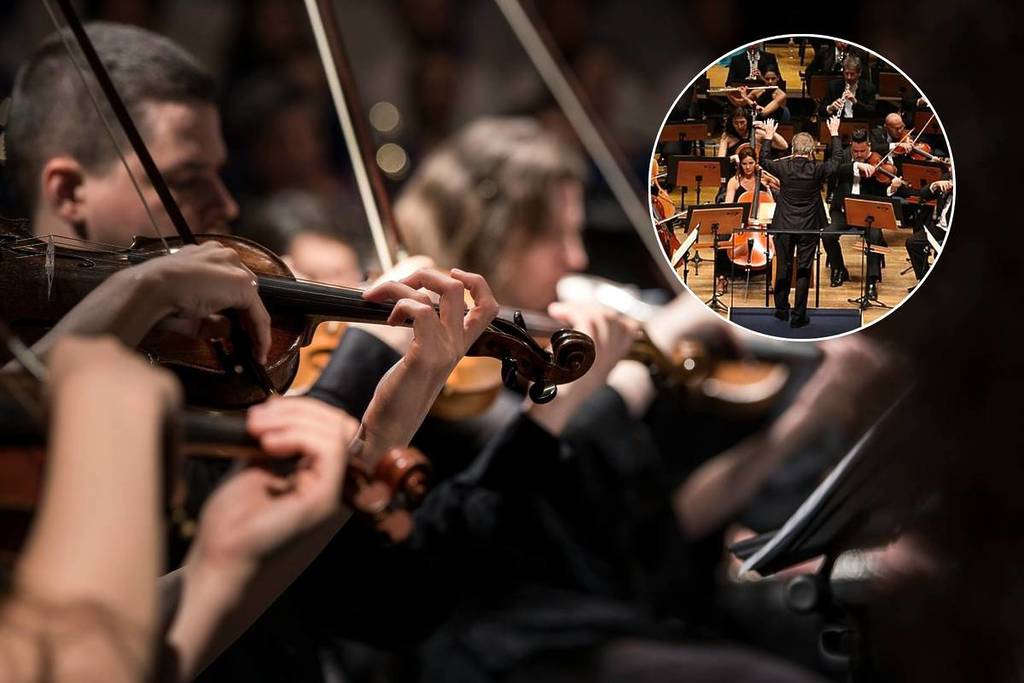
The first note echoes in the air and the audience’s silence turns into a collective shiver. No matter how many times it has been performed, pieces like Beethoven’s Symphony No. 5 continue to electrify every spectator as if for the first time.
Listening to an orchestra in São Paulo is a unique experience. The city is home to internationally renowned orchestras such as OSESP and the Municipal Symphony Orchestra, which attract audiences and win hearts year after year. But what are the works that most often appear in these programs?
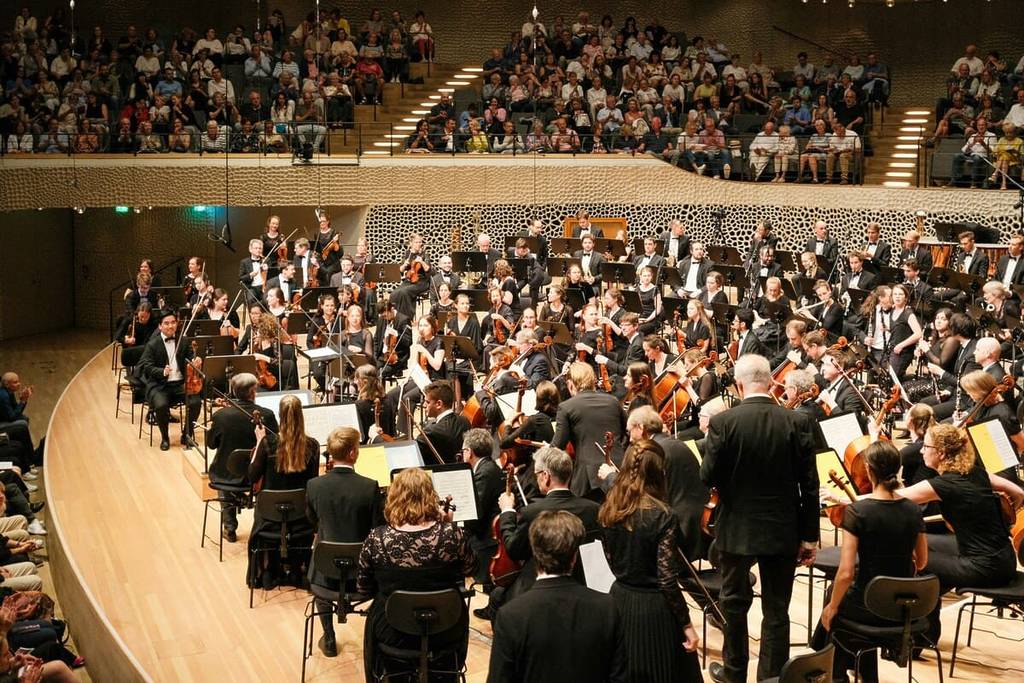
The immortals of classical music
Ludwig van Beethoven
Beethoven is undoubtedly the great protagonist of this repertoire. His Symphony No. 5, with its opening four notes that seem to knock on the door of destiny, remains one of the most eagerly awaited pieces by listeners.
Symphony No. 9, crowned by the “Ode to Joy“, appears at special moments and transforms the concert hall into a collective ecstasy, where musicians and audience meet in celebration of something greater than all.
https://www.youtube.com/watch?v=IEWLCLFdW1E
Wolfgang Amadeus Mozart
Mozart also reigns on São Paulo stages. The “Requiem“, unfinished due to the composer’s early death, carries an aura of mystery and solemnity that deeply moves with each performance.
In contrast, Symphony No. 40 appears as a perfect portrait of classical genius, intense and lyrical at the same time, always received with respect and enchantment by audiences.
https://www.youtube.com/watch?v=Fl_wsqfY7bE
Piotr Ilitch Tchaikovsky
In Tchaikovsky‘s sweeping romanticism, the highlight goes to the Piano Concerto No. 1. From the imposing opening, the work demands technique and emotion in equal measure, transforming each guest soloist into the protagonist of the evening.
Excerpts from the ballet “The Nutcracker” enchant audiences at the end of the year, creating a festive atmosphere that has become a tradition.
https://www.youtube.com/watch?v=6iuj6uWxRRI
Heitor Villa-Lobos
No repertoire, however, would be complete without the presence of Villa-Lobos. The Bachianas Brasileiras No. 5, which combine European lyrical singing with Brazilian melodies, are one of the strongest marks of national identity in classical music.
Like few others, Villa-Lobos was able to translate the Brazilian soul into a universal language, combining elements of popular music, folklore and nature with classical structures that dialog with the whole world.
https://www.youtube.com/watch?v=Qe7bKttgT6U
And if it’s already unforgettable to hear them in venues such as the Sala São Paulo, the Theatro São Pedro or the Theatro Municipal, the magic is complete under the soft light of thousands of candles at the Candlelight São Paulo concerts.
Between familiar chords and melodies that never get old, each performance transforms the moment into something greater. In the end, the music surpasses the music itself: it becomes a presence, a companion and a memory, making the concert an instant that continues to live on inside the listener long after the candles have been extinguished.