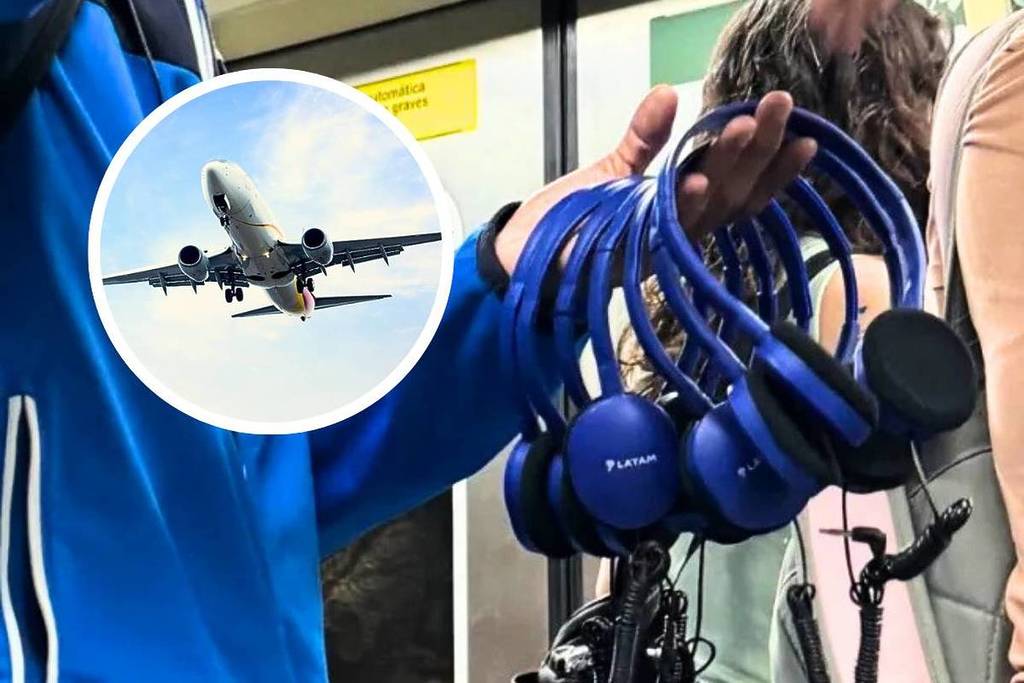
We know that public transport in São Paulo is full of unusual scenes, from people carrying samurai swords to transporting coffins. But recently, another curious scene caught the attention of passengers: a street vendor selling LATAM headphones for R$10.
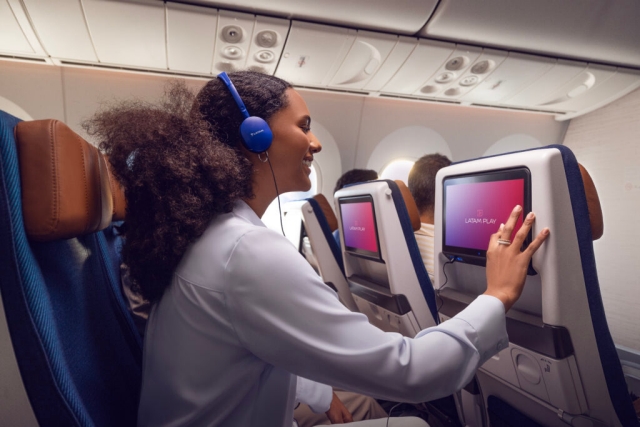
The airline usually distributes the accessory on long-haul international flights, so that travelers can watch movies on monitors on the back of the seats. The headphones are the property of the airline and therefore cannot be taken off the plane: they must be returned after the trip. Which begs the question: how did they end up on public transport?
Understanding the LATAM headphones controversy
The unusual transaction took place on a CPTM train, was recorded by passengers and went viral on social media. From then on, many users questioned the origin of the LATAM headphones, hypothesizing that they had been acquired illegally.
A meme page from the city of Santo André, which has almost 500,000 followers on its social networks, posted images of the unusual sale. In the Threads caption, the page says that a passenger asked the seller if the headphones were “stolen”, to which he replied yes and left the train.
On the same day, a user identified himself as the street vendor in the photo and denied the information. According to him, the products were bought from Rua 25 de Março, and the supposed interaction with the passenger on the train never took place.

After all, where did the headphones come from?
After the street vendor’s response, internet users were divided. There are still many people who believe in a possible clandestine origin of the LATAM headphones, while others argue that it would be possible to have acquired them legally.
One Threads user identified himself as a Guarulhos Airport employee and explained that it is possible to obtain exclusive flight accessories legally:
These headphones after being used are discarded and remain in yellow bags in the airport courtyard, the company takes these to be recycled and reused, however, LATAM often abandons these bags at the airport, and many employees pick them up since this is destined for disposal.”
As LATAM has not commented publicly on the case, it is not possible to confirm any of the hypotheses. In any case, the case reminds us that, however accustomed we are to São Paulo’s public transportation, it always manages to surprise us.